Coffee can be remarkably simple. Add hot water to ground coffee and you have a drink enjoyed around the world.
Start exploring it, however, and you’ll discover different species, origins, processing methods, roast levels and brewing techniques capable of producing dramatically different flavours.
This coffee guide explains the essentials without making things unnecessarily complicated.
Whether you’re buying better beans, experimenting with a new brewer or simply wondering why two coffees can taste completely different, here’s what you need to know.
Where does coffee come from?
Coffee beans are actually seeds found inside the fruit of coffee plants.
As this coffee guide explores, coffee is commercially produced across tropical regions, with growing conditions varying considerably between countries and individual farms.
Two species dominate global production: Arabica (Coffea arabica) and Robusta (Coffea canephora).
Arabica is particularly important within specialty coffee and can offer an enormous range of flavours depending on its variety, growing conditions, processing and roasting.
Our Arabica coffee beans guide takes a closer look at this important coffee species.
Coffee guide to different origins
Origin can have a significant influence on flavour.
Altitude, climate, soil, coffee variety and farming practices all contribute to the characteristics of the harvested coffee.
Processing after harvesting adds another layer.
This is why coffee from different parts of the world can offer noticeably different experiences.
For example, some Ethiopian coffees are known for floral, citrus or fruit characteristics, while Brazilian coffees are often associated with chocolate, nuts and sweetness.
These are broad tendencies rather than guarantees.
If you’d like to explore individual origins, start with our guides to coffee from Ethiopia, Colombia, Brazil and Kenya.
What is specialty coffee?
You’ll often encounter the term specialty coffee when shopping for higher-quality beans.
The Specialty Coffee Association develops standards, education and resources used throughout the specialty coffee industry.
Specialty coffee places considerable emphasis on coffee quality throughout the chain, from production and processing through to roasting and brewing.
For the person drinking it, one of the attractions is variety.
Rather than coffee simply tasting “strong” or “weak”, you can begin discovering characteristics reminiscent of chocolate, caramel, berries, citrus, nuts, flowers and many other flavours.
Nothing needs to be artificially added for these tasting characteristics to appear. They can develop naturally from the coffee itself and how it is processed and roasted.
Coffee guide to light, medium and dark roasts
Roasting transforms green coffee into the aromatic brown beans we’re familiar with.
How far the roasting process is developed has a major influence on flavour.
Light roast
Light roasting generally places greater emphasis on characteristics associated with the coffee’s origin and processing.
Depending on the beans, you may find fruit, floral, citrus or tea-like characteristics alongside brighter perceived acidity.
Medium roast
Medium roasting often provides a balance between origin characteristics and flavours developed through roasting.
Chocolate, caramel, nuts, fruit and sweetness are common possibilities.
Dark roast
Darker roasting places greater emphasis on roast-derived flavours.
Dark chocolate, toasted, smoky and bittersweet characteristics may become more prominent as roast development increases.
These aren’t rigid rules.
Coffee itself remains important, and roast descriptions aren’t perfectly standardised between different roasters.
For more detail beyond this coffee guide, our complete introduction to coffee roast levels explains the differences.
Whole bean or ground coffee?
One of the simplest choices covered in this coffee guide is whether to order whole beans or have them ground.
Whole beans are ideal if you have a suitable grinder at home.
Grinding immediately before brewing limits the amount of time the ground coffee spends exposed to air before you use it, helping preserve its aroma.
Ground coffee is more convenient and can still produce an excellent cup, particularly when it has been freshly roasted and correctly ground for your brewing method.
The important part is choosing the appropriate grind.
Espresso generally requires a much finer grind than cafetière coffee, for example.
If you’re buying pre-ground coffee, select the grind designed for the brewer you actually use.
Coffee guide to brewing methods
You don’t need expensive equipment to make enjoyable coffee at home.
Different brewing methods simply produce different styles of drink.
Cafetière
The cafetiere is straightforward and produces a relatively full-bodied cup.
Ground coffee is immersed in hot water before a metal filter separates most of the grounds from the drink.
It’s a great starting point if you want a simple manual brewer.
V60
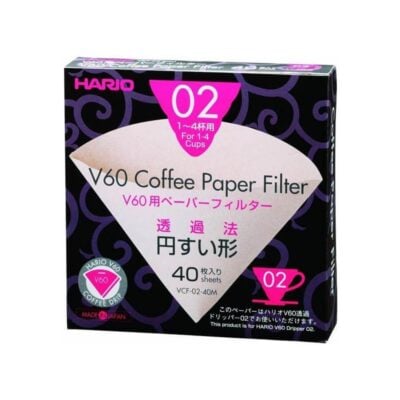
The V60 is a pour-over brewer that uses a paper filter.
It can produce a clean cup that makes subtle flavour characteristics easier to notice.
Chemex
The Chemex is another pour-over method.
Its distinctive paper filters contribute to a clean style of coffee and can work particularly well when you want to explore lighter or more delicate coffees.
AeroPress
The AeroPress is compact and versatile.
Changing grind size, water temperature, brew time and coffee-to-water ratio allows you to experiment with many different recipes.
Espresso
Espresso forces hot water through finely ground coffee under pressure to produce a small, concentrated drink.
It also forms the foundation of favourites such as lattes, cappuccinos and flat whites.
Cold brew
Cold brew uses cool or room-temperature water over an extended period.
The result can be served cold and adjusted with water or milk depending on the recipe.
Which brewing method should you choose?
There’s no universal best method.
A useful coffee guide should give you starting points rather than tell you there’s only one correct way to brew.
For convenience, try a cafetière or AeroPress.
If you enjoy experimenting and identifying subtle flavours, V60 or Chemex may appeal to you.
If you love concentrated coffee and milk-based drinks, espresso is the obvious direction.
For something refreshing, experiment with cold brew.
The same beans can taste surprisingly different when brewed in different ways, so don’t be afraid to experiment.
How much coffee should you use?
Consistency makes it much easier to improve your coffee.
Instead of guessing with scoops, weighing your coffee and water allows you to repeat a recipe you enjoy and make controlled adjustments.
A coffee scale is therefore one of the most useful pieces of equipment you can own.
Your ideal coffee-to-water ratio will depend on the brewing method and personal preference, so treat recipes as starting points rather than absolute rules.
If a cup tastes too weak, too strong, sour or bitter, changing one variable at a time makes it easier to understand what’s happening.
Our coffee scales guide explains why scales are useful both for brewing and around the kitchen.
Does water make a difference?
Any good coffee guide should mention water because it makes up most of your finished drink.
Water composition can influence extraction and flavour.
Extremely hard or unsuitable water can make it more difficult to get the flavours you want from good beans.
Temperature matters too.
You don’t necessarily need to use aggressively boiling water for every coffee, and different beans and brewing methods may respond well to different temperatures.
Rather than becoming obsessed with exact numbers immediately, focus first on consistency.
Once you have a repeatable recipe, experimenting with water temperature becomes much more useful.
How important is the coffee grinder?
Very.
A grinder’s job isn’t simply to make coffee smaller. Ideally, you want reasonably consistent particles suited to your chosen brewing method.
Burr grinders are generally preferred because they provide greater control over grind size than simple blade grinders.
The correct grind depends on how you’re brewing.
Espresso typically requires fine coffee, while cafetière brewing normally uses a much coarser grind.
Pour-over sits somewhere between them, although the exact setting depends on your brewer and recipe.
One of the most useful coffee guide tips is to adjust your grind before abandoning a bag of beans that isn’t tasting quite right.
How should you store coffee?
Once roasted, coffee gradually changes as it’s exposed to its environment.
Air, moisture, heat and light can all affect quality.
Keep coffee sealed in a suitable container or its resealable bag and store it somewhere cool, dry and away from direct sunlight.
For everyday storage, a kitchen cupboard is usually a better choice than leaving beans exposed on a worktop.
Our full guide to how to store coffee explains the subject in more detail.
Proper storage is a simple part of this coffee guide, but it can make a real difference to how well your beans retain their aroma.
Coffee guide to choosing the right beans
With so many choices, buying coffee can initially feel complicated.
It doesn’t need to be.
Start with flavour.
If you enjoy bright, fruity or floral coffee, explore lighter roasts and origins known for those characteristics.
If you prefer chocolate, caramel and nuts, medium-roasted coffees may be a good starting point.
For prominent roast flavour and bitterness, explore darker beans.
Then consider your brewing method and whether you need whole beans or an appropriate grind.
Our guide to choosing the best coffee beans can help you narrow down the options.
What about decaf coffee?
No coffee guide would be complete without mentioning decaf.
Modern decaffeination methods allow people to reduce their caffeine intake while continuing to enjoy coffee.
Decaf still contains a small amount of caffeine, but considerably less than regular coffee.
The beans can also vary by origin and roast just like caffeinated coffee.
Read our decaf coffee guide if you’d like to learn more about how it is made and why people choose it.
Why freshness matters
Great brewing equipment can’t completely compensate for coffee you don’t enjoy.
One of the simplest lessons in this coffee guide is to start with good beans and keep your preparation consistent.
At CoffeeHype, our coffee is freshly roasted to order rather than sitting pre-roasted for long periods before dispatch.
You can order whole beans or select a grind suited to your preferred brewing method.
That makes experimenting with origins, roast levels and brewing techniques much easier.
Freshness is worth considering alongside every other part of this coffee guide when you’re choosing your next bag.
Coffee guide: where should you start?
You don’t need to learn everything about coffee before you can make a better cup.
Start with a few basics:
- Choose freshly roasted beans with flavours that appeal to you.
- Use the correct grind for your brewer.
- Measure your coffee and water consistently.
- Store your beans properly.
- Change one brewing variable at a time.
- Try different origins and roast levels.
Most importantly, pay attention to what you actually enjoy.
Coffee can become extremely technical, but the purpose of all that knowledge is simply to help you make a cup that tastes better to you.
Use this coffee guide as your starting point, then explore the individual brewing and origin guides linked throughout the article as you discover what interests you.
Ready to find your next coffee? Browse our range of freshly roasted coffee beans and explore different origins, blends and roast profiles.
Best Selling Products
-

Brazil Fazenda Pinhal Coffee
From: £9.99 — or subscribe to save 10% -
House Blend Coffee
From: £9.99 — or subscribe to save 10% -
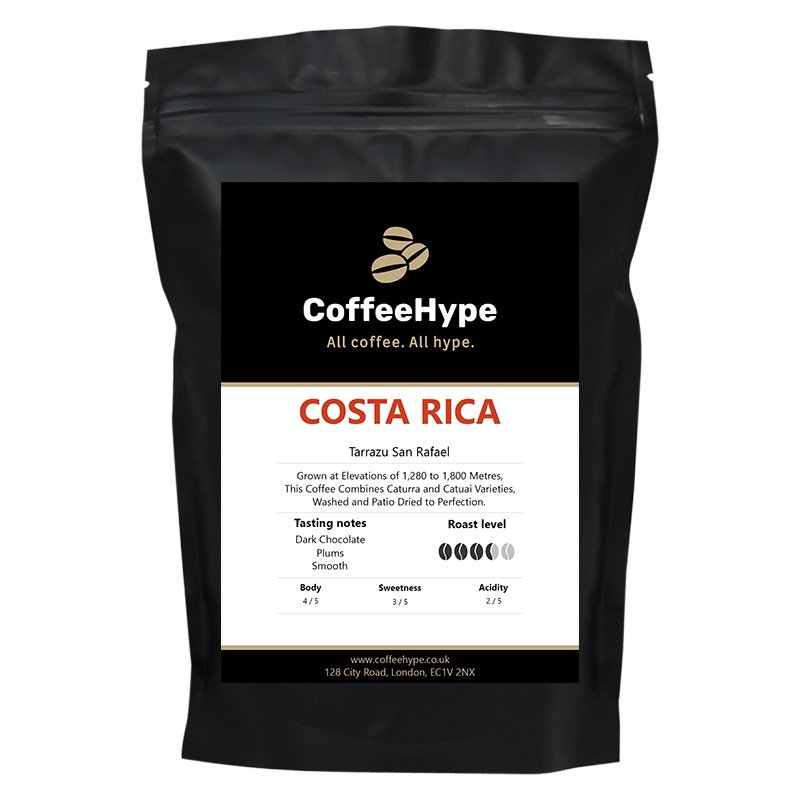
Costa Rica Tarrazu San Rafael Coffee
From: £9.99 — or subscribe to save 10% -
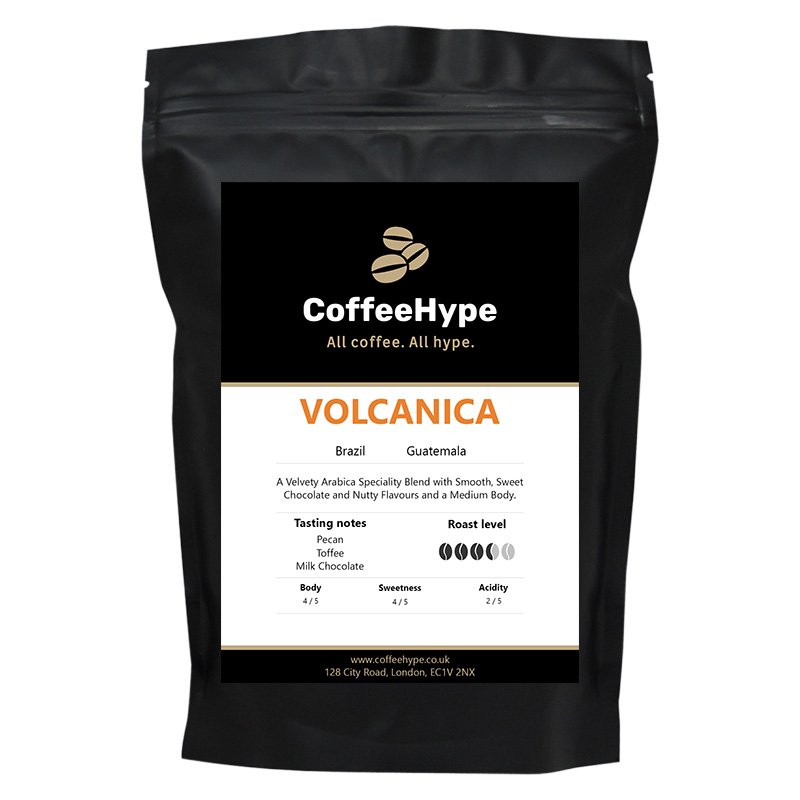
Volcanica Coffee Blend
From: £9.99 — or subscribe to save 10%


2024