Learning how to make cold brew coffee is surprisingly simple. You don’t need an expensive cold brew machine or specialist equipment — just freshly roasted coffee, water, a container and something to filter the finished drink.
Unlike iced coffee, which is generally brewed hot before being cooled or poured over ice, cold brew is made by steeping ground coffee in cool or room-temperature water for several hours.
The result can be smooth, refreshing and easy to customise with water, milk or ice.
In this guide, we’ll show you how to make cold brew coffee step by step, including the coffee-to-water ratio, grind size and steeping time to get you started.
What you’ll need
Before learning how to make cold brew coffee, gather the following:
- 100g freshly roasted coffee beans
- 1 litre of cold or room-temperature water
- A large jar or cold brew pitcher
- Coffee grinder, if using whole beans
- Digital scales
- Spoon
- Fine sieve and paper coffee filter or cheesecloth
- Jug or airtight bottle
- Ice for serving
A digital scale makes it much easier to repeat a recipe than measuring coffee by volume.
For the beans, browse our freshly roasted coffee and choose a flavour profile that appeals to you.
Step 1: Grind your coffee
The first step in how to make cold brew coffee is getting the grind approximately right.
To understand how to make cold brew coffee well, start with a coarse grind.
You’re going to leave the coffee in contact with the water for considerably longer than with methods such as espresso or pour-over brewing, so you don’t need an extremely fine grind.
A coarser grind can also make the finished coffee easier to filter.
If you’re grinding at home, aim for a consistency noticeably coarser than you would use for a typical filter coffee.
Don’t worry about achieving perfection on your first attempt. Cold brew is easy to adjust once you’ve tasted your first batch.
Step 2: Measure the coffee and water
For this beginner recipe, use:
100g coffee to 1 litre of water.
That’s a 1:10 coffee-to-water ratio.
This produces a reasonably strong cold brew that many people can enjoy directly over ice or adjust with a little extra water or milk.
Cold brew recipes vary considerably, so don’t treat 1:10 as an absolute rule.
If you find your first batch too strong, use more water next time. If it’s too light, increase the amount of coffee.
Understanding the ratio is one of the most useful parts of learning how to make cold brew coffee consistently.
Step 3: Combine the coffee and water
Put the ground coffee into your clean jar or pitcher.
Gradually add the water, making sure all of the grounds become wet.
Give everything a gentle stir.
You don’t need to vigorously mix it. The goal is simply to make sure you haven’t left large pockets of dry coffee floating on the surface.
Once everything is combined, cover the container.
Step 4: Leave it to steep
One of the easiest parts of how to make cold brew coffee is simply waiting.
Leave your cold brew to steep for around 12–16 hours as a practical starting point.
You can steep it in the refrigerator or at room temperature before refrigerating the filtered coffee.
The National Coffee Association’s cold brew guide suggests steeping for around 12 hours or overnight when using a manual cold brew method.
When you’re first learning how to make cold brew coffee, starting around 12 hours gives you a useful baseline.
You can then experiment with subsequent batches.
A longer brew isn’t automatically a better brew. Coffee, grind size, ratio, temperature and time can all affect extraction and flavour.
Step 5: Filter your cold brew
Once the steeping period is complete, separate the liquid from the grounds.
Start by pouring it through a fine sieve to remove the larger particles.
For a cleaner cup, filter it again through a paper coffee filter or cheesecloth.
Don’t aggressively squeeze the grounds to extract every last drop. Simply allow the liquid to pass through.
Paper filtration will generally produce a cleaner drink with less sediment, although it may take longer.
Once filtered, your homemade cold brew is ready.
That’s essentially all there is to how to make cold brew coffee.
Step 6: Serve it
Pour your cold brew into a glass with ice.
Taste it before adding anything else.
If you like the strength, drink it as it is.
If it’s stronger than you prefer, add a little water.
You can also add dairy milk or one of the options covered in our guide to milk alternatives for coffee.
Cold brew also works well with flavoured syrups if you prefer something sweeter.
The important thing is to adjust the drink to your own taste rather than following a fixed dilution simply because a recipe tells you to.
How to make cold brew coffee concentrate
Some people prefer preparing a stronger concentrate and diluting each serving later.
If that’s what you want, increase the proportion of coffee.
For example, you could start around 1:5 coffee to water:
- 200g coffee
- 1 litre water
After steeping and filtering, dilute the concentrate to taste when serving.
You might start with equal parts concentrate and water or milk, then adjust from there.
The advantage is flexibility. One person can make a stronger drink while another can dilute theirs further.
Just remember that a concentrate recipe and a ready-to-drink recipe aren’t the same thing.
What coffee is best for cold brew?
When learning how to make cold brew coffee, there’s no single coffee you must use.
A coffee with chocolate, nut or caramel characteristics can produce a rich and approachable cold brew.
Fruitier coffees can create something brighter and more distinctive.
Roast level is personal too.
Rather than assuming cold brew requires very dark coffee, experiment with different origins and roast profiles.
Our guide on choosing the best coffee beans can help if you’re unsure where to start.
Freshly roasted coffee and consistent brewing will give you a much better foundation for experimenting.
Is cold brew less acidic than hot coffee?
You’ll often hear that cold brew is automatically much less acidic than hot coffee.
The reality is more complicated.
A study published in Scientific Reports found comparable pH values between the hot and cold brewed coffees tested, although hot brewed samples contained higher concentrations of total titratable acids.
Other research has also demonstrated that factors such as the coffee itself, grind and extraction conditions influence acidity.
So while cold brew can have a different sensory and chemical profile from hot coffee, it’s better not to make a blanket claim that every cold brew is simply “low acid”.
This doesn’t change how to make cold brew coffee, but it does correct one of the most common misconceptions surrounding the brewing method.
Cold brew vs iced coffee
Cold brew and iced coffee aren’t interchangeable terms.
The key difference is the brewing process.
Cold brew is extracted using cool or room-temperature water over a long period.
Traditional iced coffee starts with coffee brewed using hot water, which is then chilled or served over ice.
Both can be refreshing, but they can taste noticeably different.
Our broader cold coffee guide explains the different styles in more detail.
How long does homemade cold brew keep?
Once you’ve filtered your coffee, transfer it to a clean, covered container and refrigerate it promptly.
For the best flavour, we’d recommend making manageable batches rather than preparing huge quantities intended to last for weeks.
Coffee aromas and flavours change during storage, so fresher is generally better.
If the coffee develops an unusual smell, appearance or flavour, discard it rather than relying solely on a fixed number of days.
Making smaller batches also gives you more opportunities to adjust your recipe.
Common cold brew mistakes
Knowing how to make cold brew coffee is easy, but a few mistakes can affect the finished drink.
Grinding too finely: Very fine coffee can make filtration difficult and may leave more sediment.
Not measuring: Guessing the amount of coffee and water makes it difficult to recreate a batch you enjoyed.
Assuming longer is always better: Extraction changes over time. More hours don’t automatically guarantee better flavour.
Using stale coffee: Cold brewing can’t restore aromas and flavours that have already disappeared from old beans.
Forgetting to taste before diluting: Your recipe may already be at the strength you enjoy.
The best way to learn how to make cold brew coffee to your taste is to adjust one variable at a time.
Try different cold brew recipes
Once you’ve mastered how to make cold brew coffee, you can use it as the foundation for plenty of other drinks.
Vanilla, chocolate, coconut and different milks can completely change the finished result.
We’ve put together 7 easy cold brew recipes if you want ideas beyond a straightforward glass over ice.
You can also prepare a batch ahead of time, keep it refrigerated and pour a serving when you want a chilled coffee.
Start brewing
The basic method is straightforward: coarsely grind your beans, combine them with water, steep, filter and serve.
From there, experimentation is part of the fun.
Change the beans, adjust your coffee-to-water ratio or alter the steeping time until you find the combination you prefer.
Now that you know how to make cold brew coffee, all that’s left is choosing your beans and preparing your first batch.
Browse our freshly roasted coffee and start experimenting with cold brew at home.
Best Selling Products
-

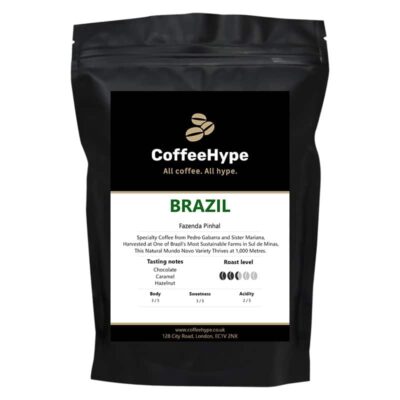
Brazil Fazenda Pinhal Coffee
From: £9.99 — or subscribe to save 10% -
House Blend Coffee
From: £9.99 — or subscribe to save 10% -
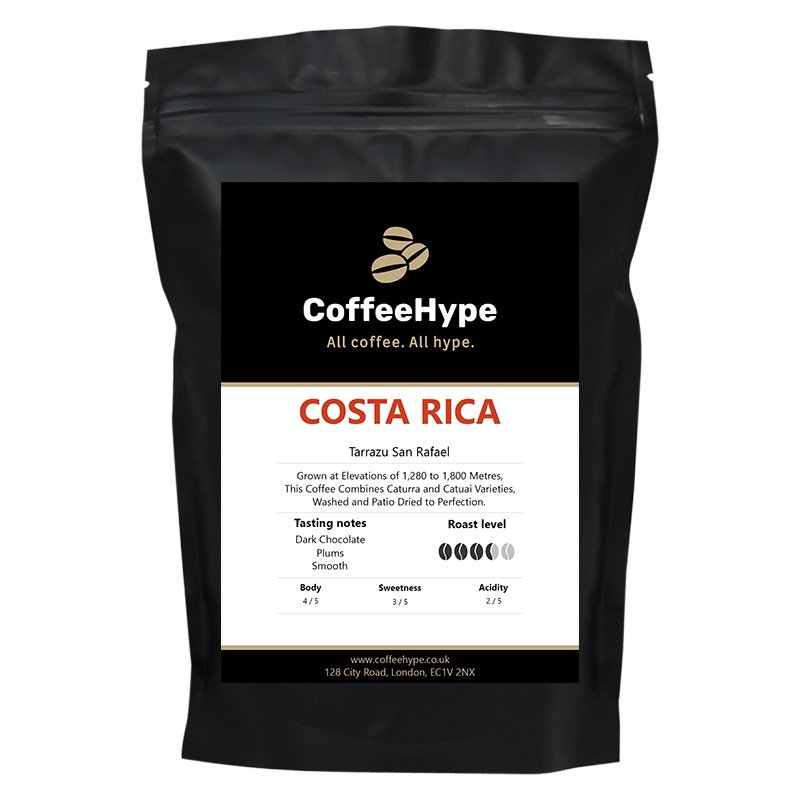
Costa Rica Tarrazu San Rafael Coffee
From: £9.99 — or subscribe to save 10% -
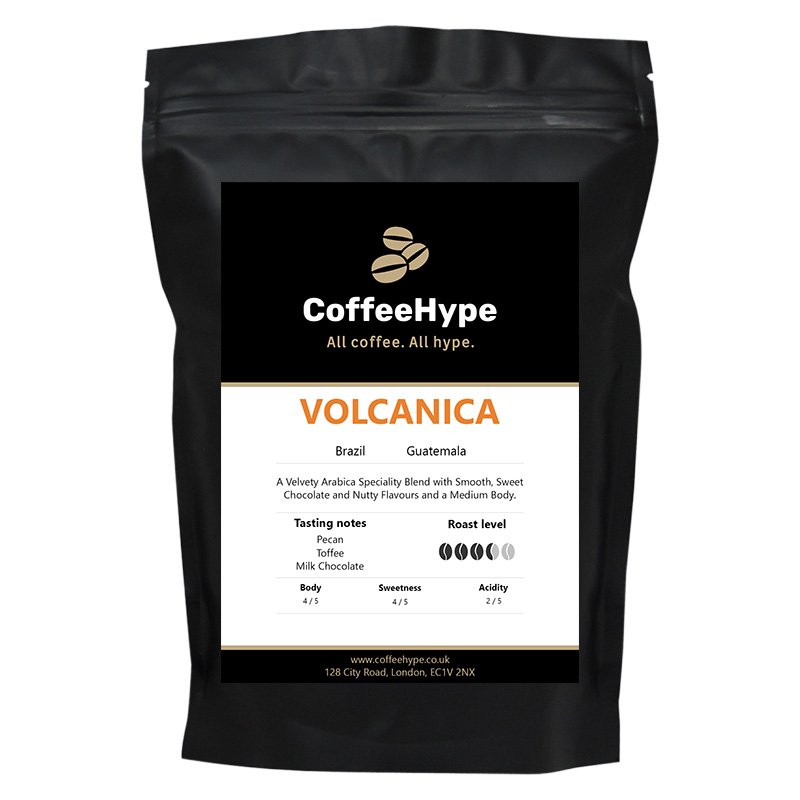
Volcanica Coffee Blend
From: £9.99 — or subscribe to save 10%


2023