Finding the best coffee beans isn’t about discovering one coffee that’s objectively better than everything else.
It’s about finding beans that suit your taste, brewing method and the way you normally drink coffee.
One person might love a bright, fruity Ethiopian coffee brewed through a V60. Someone else may prefer a rich Brazilian coffee with chocolate and nut characteristics prepared as espresso.
Both can be excellent choices.
The key is understanding what information on a bag of coffee actually tells you.
From origin and roast level to freshness, processing and grind, this guide will help you choose the best coffee beans for the cup you want to make.
What makes the best coffee beans?
There’s no universal answer.
Quality matters, but personal preference matters too.
The best coffee beans for you should combine good-quality coffee with flavours you enjoy and characteristics suited to your preferred brewing method.
Instead of looking for vague claims such as “premium” or “luxury”, pay attention to useful information including:
- Country and region
- Roast level
- Tasting notes
- Processing method
- Whether the coffee is a blend or single origin
- Whether it’s whole bean or ground
- Roasting and freshness information
The more you learn about what you enjoy, the easier choosing coffee becomes.
Start with the flavours you enjoy
When choosing the best coffee beans, start with flavour before worrying about countries, varieties and processing methods.
Do you enjoy chocolate, caramel and nut characteristics?
Or would you rather drink something brighter with fruit and floral notes?
Maybe you prefer a strong, traditional coffee with deeper roasted flavours.
There isn’t a correct answer.
If you’re relatively new to freshly roasted coffee, start by remembering coffees you’ve enjoyed before.
The best coffee beans aren’t necessarily the most unusual ones. They’re the beans that make you look forward to brewing another cup.
Tasting notes can then help point you in the right direction.
Just remember that a bag described as having notes of chocolate or berries doesn’t normally mean those ingredients have been added. Tasting notes describe flavours and aromas people may perceive naturally in the coffee.
Choose an origin
Where coffee is grown can influence its character.
Climate, altitude, variety, soil, processing and many other factors contribute to what ultimately reaches your cup, so country alone can’t predict exactly how a coffee will taste.
It can still provide a useful starting point.
Brazil
Brazilian coffees are often associated with approachable chocolate, nut and caramel-like characteristics.
They can work particularly well for people who enjoy fuller, familiar flavours and are commonly used for espresso.
Read our Brazil coffee guide to explore the origin further.
Colombia
Colombia produces an enormous range of coffee, but balanced sweetness, fruit and chocolate-like characteristics are commonly encountered.
It’s a versatile origin and can be a good starting point if you’re unsure what to choose.
Our Colombia coffee guide explains more.
Ethiopia
Ethiopia can be particularly exciting if you enjoy more distinctive coffees.
Depending on region and processing, Ethiopian coffees can offer floral, citrus and fruit characteristics.
Explore our Ethiopia coffee guide for more detail.
Guatemala
Guatemalan coffee can provide an appealing combination of sweetness, body and acidity, with flavour varying considerably between its growing regions.
Our Guatemala coffee guide covers the country in greater depth.
Trying several origins side by side is one of the easiest ways to discover which characteristics you prefer and move closer to finding the best coffee beans for your taste.
Understand coffee roast levels
Roasting has an enormous influence on flavour.
Although labels vary between roasters, coffee is commonly described as light, medium or dark roast.
Light roast
Light roasting generally preserves more of the coffee’s origin and processing characteristics.
You may encounter greater perceived acidity, fruit, floral notes and complexity.
These coffees can work particularly well with manual filter methods.
Medium roast
Medium roasting can provide a balance between origin character and flavours developed during roasting.
For many drinkers, it’s a versatile place to begin.
Dark roast
Dark roasting pushes the flavour further towards characteristics created during the roasting process.
You can expect deeper roasted flavours, reduced perception of acidity and potentially bittersweet or smoky characteristics as roasting becomes darker.
None is automatically superior.
The best coffee beans can be light, medium or dark depending on what you want from your cup.
Read our complete guide to coffee roast levels if you’d like to compare them in more detail.
Single-origin coffee or a blend?
This is another choice that sounds more complicated than it needs to be.
Single-origin coffee comes from a defined origin, although exactly how specific that origin is can vary. It might refer to a country, region, cooperative, estate or individual producer.
These coffees can be particularly interesting if you want to explore the characteristics associated with a particular place.
Blends combine different coffees.
A skilled roaster can use them to create a particular flavour profile, improve consistency or produce a coffee designed for a particular brewing style.
Neither approach automatically produces better coffee.
If your idea of the best coffee beans involves exploring individual origins, single-origin coffee may appeal to you.
If you want a dependable flavour profile for everyday espresso or milk drinks, a well-designed blend can be an excellent choice.
Pay attention to freshness
Coffee is an agricultural product that changes after roasting.
Freshness matters, but the idea that coffee must be consumed immediately after roasting is too simplistic.
Freshly roasted coffee releases carbon dioxide, a process commonly called degassing. Depending on the coffee, roast and brewing method, allowing some resting time after roasting can be beneficial.
What you generally don’t want is coffee that has spent a very long time exposed to oxygen, heat, moisture or light.
Buy sensible quantities and store them properly.
Our guide on how to store coffee explains how to protect flavour and aroma once your coffee arrives.
When comparing the best coffee beans, freshness and storage deserve just as much attention as an impressive-looking bag.
Whole beans or ground coffee?
If you own a suitable grinder, buying whole beans and grinding shortly before brewing gives you greater control and can help preserve aroma.
Grinding dramatically increases the coffee’s exposed surface area, allowing it to stale more quickly.
That doesn’t mean everyone needs to buy a grinder.
Freshly ground coffee prepared correctly for your brewing method can still be a practical option, particularly if you don’t want additional equipment.
What’s important is choosing the correct grind.
Espresso requires a much finer grind than a cafetiere, for example.
At CoffeeHype, our freshly roasted coffees are available as whole beans or with different grind options, allowing you to choose what suits your brewing setup.
Match the beans to your brewing method
Your brewing method can help you choose the best coffee beans for the cup you want.
Espresso
Espresso is concentrated and can emphasise particular characteristics strongly.
Many people enjoy medium or darker coffees with chocolate, caramel and nut characteristics, particularly when making milk-based drinks.
That isn’t a rule, though. Lighter coffees can create distinctive espresso too.
Read our espresso guide if that’s your preferred method.
Cafetiere
The immersion brewing used by a cafetiere can produce a full-bodied cup.
A wide range of origins and roast levels can work well.
Our cafetiere guide explains the method.
V60 and Chemex
Pour-over methods can be excellent for exploring clarity and more delicate characteristics.
If your idea of the best coffee beans involves fruit, florals and clearly defined origin flavours, filter brewing is worth exploring.
See our guides to the V60 and Chemex.
AeroPress
The AeroPress is highly flexible.
Different ratios, grind sizes, temperatures and brewing times make it possible to experiment with a broad range of coffees.
Our AeroPress guide will help you get started.
Arabica vs Robusta
Arabica and Robusta are commonly used names for two commercially important coffee species: Coffea arabica and Coffea canephora.
Arabica is particularly prominent within speciality coffee and can offer enormous flavour diversity.
Robusta generally contains more caffeine and can produce greater bitterness and body. High-quality Robusta also exists, so it shouldn’t automatically be dismissed as “bad” coffee.
Robusta is frequently used in espresso blends where it can contribute body and crema.
If you’re interested specifically in Arabica, read our guide to Arabica coffee beans.
Understanding the difference can help when comparing the best coffee beans for your preferred style.
Does coffee processing matter?
Yes.
After coffee cherries are harvested, the seeds have to be separated from the fruit and dried.
How that happens can influence flavour.
Washed processing generally removes the fruit before drying and can be associated with greater clarity in the finished cup.
Natural processing dries coffee with the fruit still surrounding the seed and can sometimes produce more pronounced fruit characteristics.
Other approaches, including honey and various controlled fermentation techniques, add even more possibilities.
Processing alone doesn’t tell you whether you’ll like a coffee, but it becomes increasingly useful once you start recognising your preferences.
The Specialty Coffee Association provides extensive education and resources about coffee quality, brewing and the journey from producer to consumer.
Don’t judge coffee solely by appearance
The original version of this guide recommended looking for beans that were uniform in size with a particular colour and sheen.
That’s not a reliable way for consumers to identify quality.
Appearance varies according to origin, variety, processing and roast.
Very dark coffee may appear oily because roasting has brought oils towards the surface, while lighter roasted beans often look comparatively dry.
Neither appearance alone tells you whether you’ll enjoy the coffee.
When choosing the best coffee beans, information about the coffee and how it tastes is far more useful than expecting every bean to look identical.
What about Fairtrade, organic and other certifications?
Certifications can provide useful information, but they represent different things.
Fairtrade certification relates to defined social, economic and environmental standards.
Organic certification concerns specified agricultural and production requirements.
Other certification and sourcing programmes may address environmental practices, traceability or working conditions.
Don’t assume one logo tells you everything about a coffee’s quality, flavour or supply chain.
If sustainability is important to you, look beyond marketing language and find out what the roaster or supplier says about sourcing.
The best coffee beans for you may therefore involve ethical and environmental considerations alongside flavour.
Don’t choose coffee by price alone
More expensive doesn’t automatically mean you’ll enjoy a coffee more.
Rare varieties, limited production, processing, labour, quality and sourcing can all influence price.
But personal preference remains personal preference.
There’s little benefit in buying an expensive floral coffee if what you really want is a rich chocolatey espresso.
Likewise, don’t assume a cheaper everyday blend can’t be enjoyable.
Rather than chasing price, look for information that helps you understand what you’re buying.
Experiment and keep track of what you enjoy
The easiest way to find the best coffee beans for your taste is to try different coffees.
Try a Brazilian coffee followed by an Ethiopian.
Compare a medium roast with something lighter.
Brew the same beans using two different methods.
Make a note of what you liked and what you didn’t.
After a while, patterns begin to emerge.
You may discover that your best coffee beans tend to come from particular origins, use particular processing methods or sit within a certain roast range.
That knowledge is far more useful than simply following someone else’s top-ten list.
What are the best coffee beans in the world?
If you’re interested in famous and celebrated origins rather than choosing coffee specifically for your own brewing setup, we’ve covered that separately.
Our guide to the best coffee beans in the world explores seven notable coffee origins worth trying.
Keeping the two subjects separate is useful.
This guide is about identifying the best coffee beans for you, while the other explores coffees and origins with international reputations.
Choosing your next coffee
Finding great coffee becomes much easier once you stop searching for a single universal winner.
Start with the flavours you enjoy.
Then consider origin, roast level, processing, freshness and brewing method.
Try different coffees and pay attention to what changes in the cup.
Over time, choosing the best coffee beans becomes less about guesswork and more about understanding your own preferences.
Browse CoffeeHype’s freshly roasted coffee beans to compare different origins and flavour profiles. Our coffees are roasted to order and available as whole beans or ground for different brewing methods.
The best coffee beans aren’t necessarily the ones somebody else tells you to buy.
They’re the ones you genuinely enjoy brewing and drinking.
Best Selling Products
-

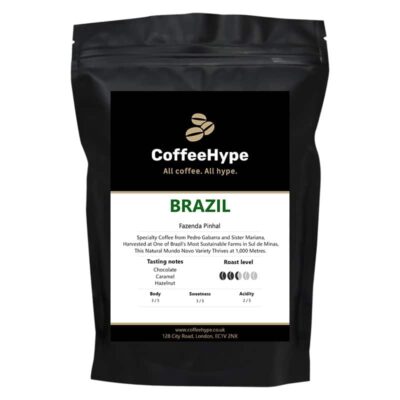
Brazil Fazenda Pinhal Coffee
From: £9.99 — or subscribe to save 10% -
House Blend Coffee
From: £9.99 — or subscribe to save 10% -
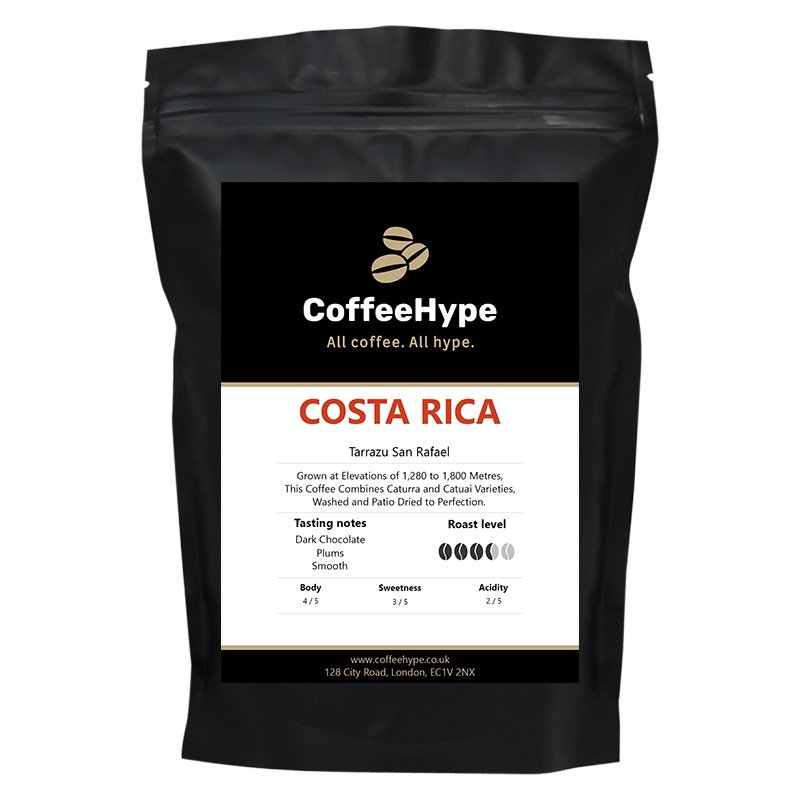
Costa Rica Tarrazu San Rafael Coffee
From: £9.99 — or subscribe to save 10% -
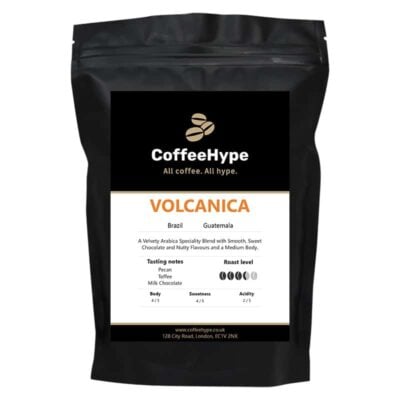
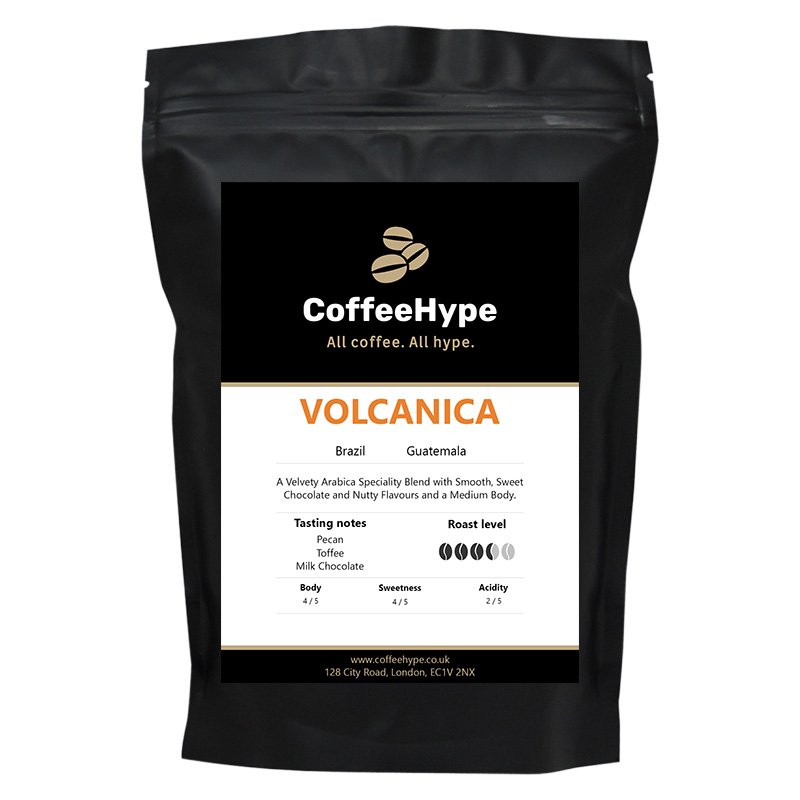
Volcanica Coffee Blend
From: £9.99 — or subscribe to save 10%


2023