Learning how to make cafetière coffee is one of the simplest ways to brew rich, full-bodied coffee at home.
Also known as a French press, the cafetière uses immersion brewing. Ground coffee steeps directly in hot water before a metal mesh filter separates most of the grounds from the finished drink.
The method requires little equipment and gives you plenty of control over coffee dose, grind size, water temperature and steeping time.
This guide explains how to make cafetière coffee step by step and how to adjust the recipe to suit your taste.
What you’ll need
Before learning how to make cafetière coffee, gather the following:
- Cafetière
- Freshly roasted coffee beans
- Burr grinder
- Kettle
- Digital scales
- Timer
- Stirring utensil
- Mug or server
A temperature-controlled kettle is useful but not essential.
Scales are more important because weighing both coffee and water makes your recipe much easier to repeat.
Step 1: Choose your coffee
Choosing good beans is the first step in how to make cafetière coffee with plenty of flavour.
A cafetière works with many origins and roast levels.
Lighter coffees can highlight brighter and fruitier characteristics, while medium and darker roasts may offer richer chocolatey, nutty or caramel-like flavours.
There’s no requirement to buy coffee specifically labelled for French press brewing.
Browse our freshly roasted coffee to explore different origins and flavour profiles.
If you’re unsure which coffee to choose, our best coffee beans guide explains freshness, origins and roast levels in more detail.
Step 2: Choose your coffee-to-water ratio
A consistent ratio makes how to make cafetière coffee much easier to repeat.
For a straightforward starting recipe, try approximately:
20g coffee
300g water
That’s a coffee-to-water ratio of 1:15.
When learning how to make cafetière coffee, simply scale both quantities while maintaining the same ratio for a larger cafetière.
For example, 40g of coffee with 600g of water keeps the recipe at 1:15.
This isn’t a compulsory ratio. If the finished coffee tastes stronger or weaker than you prefer, adjust it on your next brew.
Step 3: Grind the coffee
Start with a medium-coarse to coarse grind.
Cafetière coffee is commonly brewed considerably coarser than espresso because the grounds remain immersed in the water for several minutes.
However, don’t become fixated on finding one supposedly perfect grind setting.
Use the finished drink to guide your adjustments.
If your coffee tastes weak, thin or under-extracted, try grinding slightly finer. If it tastes excessively harsh or produces more fine sediment than you enjoy, experimenting with a coarser grind may help.
Understanding grind size is an important part of how to make cafetière coffee consistently.
Step 4: Prepare the cafetière
Before you begin how to make cafetière coffee, make sure your cafetière is clean and ready for brewing.
Old coffee oils and fine grounds trapped around the filter can negatively affect the flavour of fresh coffee.
You can warm the cafetière with hot water before brewing if you wish, particularly if the brewer is cold.
Discard the preheating water before adding your coffee.
Place the cafetière on your scales, add the ground coffee and tare the scales to zero.
Your brewer is now ready for the water.
Step 5: Heat the water
Water temperature influences extraction.
For a simple starting point, try water around 92–96°C.
You don’t necessarily need a temperature-controlled kettle. If using a standard kettle, you can bring the water to the boil and allow it to cool briefly before pouring.
The National Coffee Association recommends water around 200°F, approximately 93°C, in its French press brewing guidance.
Treat temperature as another adjustable brewing variable rather than a rigid rule.
Keeping your other variables consistent makes it easier to understand how temperature affects how to make cafetière coffee.
Step 6: Add the water
Start your timer and pour the hot water over the ground coffee.
For our starting recipe, pour until your scales show 300g of water.
Try to wet the grounds evenly.
You can gently stir the coffee after pouring to make sure there are no large areas of dry grounds floating on the surface.
Avoid aggressive stirring. You simply want the coffee and water to be evenly combined.
Weighing your water rather than estimating the volume makes how to make cafetière coffee far easier to reproduce.
Step 7: Let the coffee steep
Allow the coffee to steep for approximately 4 minutes as an initial recipe.
Don’t treat four minutes as the only correct brewing time.
Coffee dose, grind size, roast and personal preference can all influence the recipe you ultimately prefer.
Keep the plunger near the top of the cafetière during brewing rather than pressing it down immediately.
Once you’ve tried the basic recipe, you can experiment with slightly different steeping times.
Learning what changes the flavour is part of understanding how to make cafetière coffee to your own taste.
Step 8: Plunge slowly
When the brewing time is complete, place the lid and plunger correctly and begin pressing down.
Use slow, controlled pressure.
There’s no benefit to forcing the plunger down as quickly or firmly as possible.
If it is extremely difficult to press, stop rather than applying excessive force. Your grind may be too fine, or grounds may be obstructing the filter.
Lower the plunger steadily until the grounds are separated from the brewed coffee.
That’s the basic technique for how to make cafetière coffee using a traditional French press.
Step 9: Pour the coffee
Pour your coffee shortly after brewing rather than leaving the finished drink sitting above the grounds for an extended period.
If you’re making more coffee than you intend to drink immediately, transfer the remainder to a separate server or insulated carafe.
Cafetière coffee naturally contains more fine particles and oils than coffee brewed through a paper filter.
That’s part of the method’s characteristic texture.
If you find the sediment excessive, experiment with a slightly coarser grind and pour gently.
How long should cafetière coffee brew?
Around four minutes is a practical starting point, but it isn’t a universal law.
Some recipes use longer brewing periods alongside different grind sizes and techniques.
Rather than changing your steeping time immediately, begin with a repeatable four-minute recipe and taste the result.
Then adjust one variable at a time.
This approach makes learning how to make cafetière coffee much easier because you’ll know which change influenced the finished cup.
Should you stir cafetière coffee?
A gentle stir can help make sure all the coffee is evenly saturated.
You don’t need to stir continuously throughout the brewing process.
Once you’ve added the water, give the coffee enough movement to eliminate obvious dry areas and then allow it to steep.
The goal is even brewing rather than aggressive agitation.
If your results are already consistent without stirring, there’s no need to overcomplicate your routine.
Why is my cafetière coffee bitter?
People often describe unpleasant coffee simply as “bitter”, but several brewing variables can influence flavour.
If your coffee tastes overly harsh, try changing one variable at a time.
You might experiment with:
- A slightly coarser grind
- A shorter brewing time
- A different coffee-to-water ratio
- A lower water temperature
- Different coffee beans
Don’t change everything at once.
A methodical approach is much more useful when learning how to make cafetière coffee because you can identify which adjustment actually improves the drink.
Why does cafetière coffee contain sediment?
A cafetière uses a metal mesh filter rather than the paper filters found in many pour-over brewers.
Very fine coffee particles can therefore pass through the filter into your cup.
Some sediment is normal when learning how to make cafetière coffee with a metal-filter brewer.
Using a good-quality burr grinder can help produce a more consistent grind with fewer unwanted fine particles.
You can also let the coffee settle briefly before pouring and avoid tipping the cafetière aggressively at the end.
If you strongly prefer a very clean cup, a paper-filtered method such as a V60 or Chemex may suit you better.
Cafetière vs AeroPress
Both methods involve immersing coffee in water, but they produce different results.
A cafetière uses a metal mesh filter and typically produces a fuller-bodied drink with more oils and fine sediment.
An AeroPress commonly uses a paper filter and adds a pressured plunge at the end of brewing, generally producing a cleaner cup.
The AeroPress is also smaller and particularly convenient for travel.
Our guide on how to make AeroPress coffee explains that brewing method separately.
Trying both with the same beans is a useful way to explore how brewing method changes flavour and texture.
How to improve cafetière coffee
Consistency is more useful than constantly changing recipes.
Measure your coffee and water, use the same grind setting and keep your brewing time consistent.
Taste the finished coffee once it has cooled slightly.
If you want to make an adjustment, change one variable for your next brew and compare the result.
This methodical approach is one of the easiest ways to improve how to make cafetière coffee without turning a simple brewing method into something unnecessarily complicated.
Clean your cafetière
Remove the used grounds after brewing and dispose of or compost them where appropriate.
Rinse the cafetière thoroughly.
Pay particular attention to the mesh filter and plunger assembly because coffee grounds and oils can become trapped between the components.
Periodically disassemble the filter according to the manufacturer’s instructions and clean each part thoroughly.
Keeping the brewer clean is an important part of how to make cafetière coffee without stale residue affecting your next brew.
Make your cafetière coffee
The cafetière remains popular because it combines simplicity with plenty of control.
Start with 20g of coffee, 300g of water, a medium-coarse to coarse grind and approximately four minutes of brewing time.
Taste the result before making changes.
You can then experiment with the grind, ratio, water temperature and steeping time until you find your preferred recipe.
Now that you know how to make cafetière coffee, choose some freshly roasted beans, heat your water and start brewing.
Once you discover a recipe you enjoy, write down the measurements so you can repeat it whenever you want another cup.
Best Selling Products
-

Brazil Fazenda Pinhal Coffee
From: £9.99 — or subscribe to save 10% -
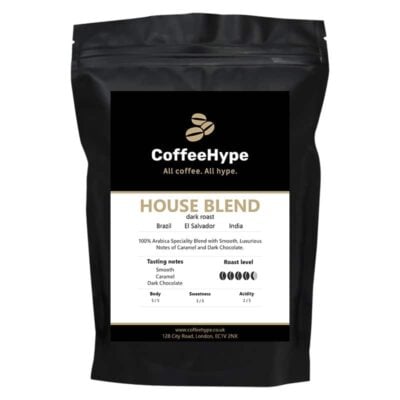
House Blend Coffee
From: £9.99 — or subscribe to save 10% -
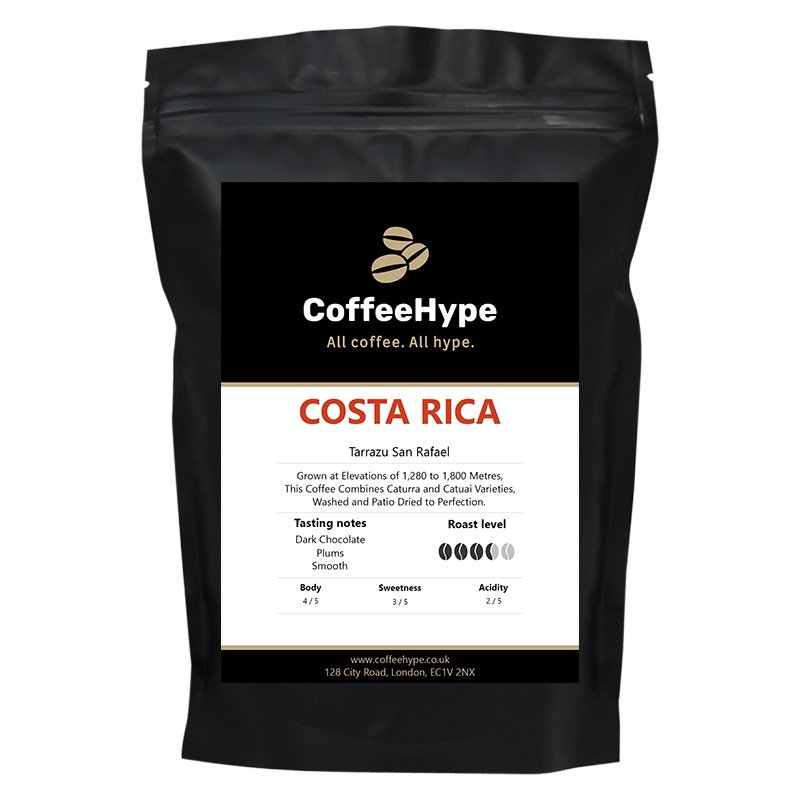
Costa Rica Tarrazu San Rafael Coffee
From: £9.99 — or subscribe to save 10% -
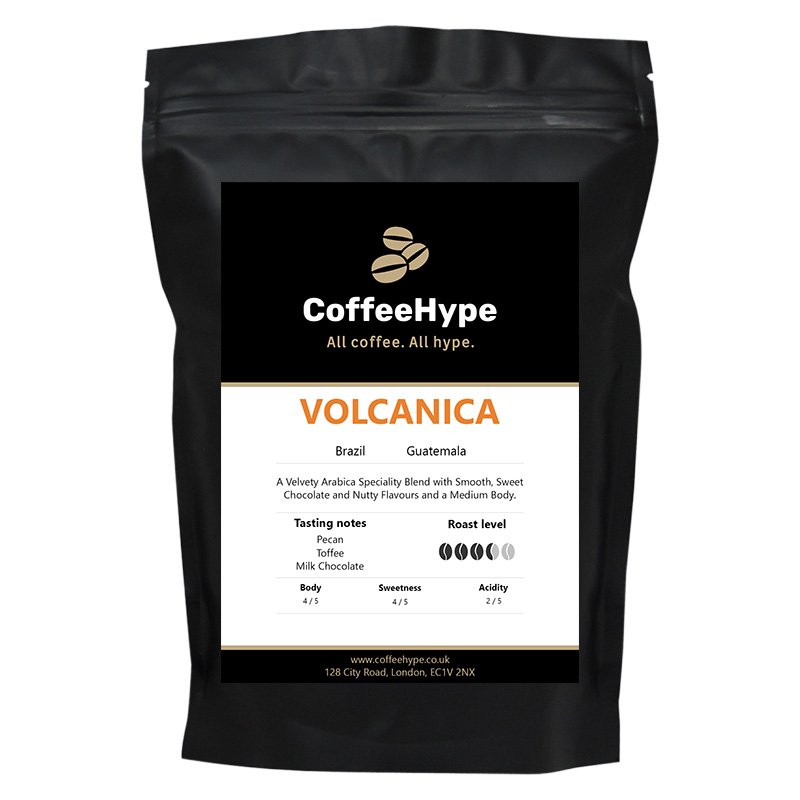
Volcanica Coffee Blend
From: £9.99 — or subscribe to save 10%


2023