Learning how to make V60 dripper coffee gives you precise control over one of the most popular pour-over brewing methods.
The V60 uses a cone-shaped dripper, paper filter and controlled flow of hot water to produce a clean cup that can highlight the distinctive flavours of your coffee.
Unlike immersion methods such as a cafetière, water continuously passes through the coffee bed and filter. Your grind size, pouring technique and brew time therefore have a noticeable influence on the result.
This guide explains how to make V60 dripper coffee using a straightforward recipe that you can adjust as your technique improves.
What you’ll need
Before learning how to make V60 dripper coffee, gather:
- V60 dripper
- V60 paper filter
- Freshly roasted coffee beans
- Burr grinder
- Kettle
- Gooseneck kettle if available
- Digital scales
- Timer
- Mug or server
A gooseneck kettle isn’t essential, but its narrow spout makes controlling the speed and position of your pour considerably easier.
Step 1: Choose your coffee
The V60 works particularly well when you want to explore the individual characteristics of different coffees.
Light and medium roasts are popular choices because the paper-filtered brewing method can highlight delicate, fruity, floral and sweet flavours.
That doesn’t mean you can’t use darker coffee. Your choice ultimately depends on the flavours you enjoy.
Browse our freshly roasted coffee or read our guide to choosing the best coffee beans if you’re looking for somewhere to start.
Choosing freshly roasted beans is an important part of how to make V60 dripper coffee with plenty of flavour.
Step 2: Choose your coffee-to-water ratio
For this recipe, start with:
20g coffee
300g water
This gives you a 1:15 coffee-to-water ratio.
It’s a simple starting point rather than a compulsory recipe.
If you want to make a larger or smaller brew, adjust the coffee and water together while maintaining the same ratio.
Using scales is one of the easiest ways to make how to make V60 dripper coffee more repeatable because you aren’t estimating how much coffee or water you’ve used.
Step 3: Grind your coffee
Start with a medium-fine grind.
The ideal setting will depend on your grinder, coffee, dose and pouring technique, so don’t worry about finding one supposedly perfect grind size.
Instead, use taste and brew time to guide your adjustments.
If the water passes through extremely quickly and the coffee tastes weak or under-extracted, try grinding finer.
If drainage is very slow and the coffee tastes unpleasantly harsh, try a slightly coarser grind.
Making small grind adjustments is a key part of learning how to make V60 dripper coffee consistently.
Step 4: Prepare and rinse the filter
Fold the edge of your V60 paper filter along its seam and place it inside the dripper.
Set the V60 on your mug or server.
Rinse the filter thoroughly with hot water. This helps the paper sit correctly against the brewer and preheats the V60 and serving vessel.
Discard the rinse water before adding your coffee.
Place the brewer on your scales, add the ground coffee and gently level the coffee bed.
You’re now ready to put the next stage of how to make V60 dripper coffee into practice.
Step 5: Bloom the coffee
Start your timer and pour approximately 40–60g of hot water over the grounds.
Try to wet all the coffee evenly.
Allow it to bloom for around 30–45 seconds.
Freshly roasted coffee releases carbon dioxide when water first reaches the grounds. Giving the coffee time to bloom helps prepare the bed for the main pours.
You don’t need to aggressively stir it.
A gentle swirl can help wet any visibly dry grounds.
The bloom is a useful stage to master when learning how to make V60 dripper coffee.
Step 6: Start pouring
After the bloom, begin adding the remaining water using controlled pours.
Pour gently around the coffee bed rather than repeatedly pouring directly onto the paper.
A gooseneck kettle gives you greater control here, but careful pouring with a normal kettle is still possible.
Keep an eye on your scales so you know exactly how much water you’ve added.
The Specialty Coffee Association publishes brewing standards and resources that illustrate why variables such as water, coffee dose and extraction matter when trying to brew consistently.
Controlled pouring is one of the main skills involved in how to make V60 dripper coffee.
Step 7: Continue to 300g
Continue pouring in stages until your scales show 300g of water.
You can use several smaller pours rather than trying to add all the water at once.
Try to maintain a relatively even water level and avoid disturbing the coffee bed unnecessarily.
There’s no requirement to copy an elaborate pouring pattern.
Consistency matters more.
Once you’ve added all the water, allow it to drain naturally through the coffee and filter.
Understanding how your pouring affects drainage is an important part of how to make V60 dripper coffee well.
Step 8: Watch the brew time
For this 20g/300g recipe, a total brew time somewhere around 2½ to 3½ minutes can be a useful starting range.
Don’t treat the stopwatch as the final judge of your coffee.
Taste is more important.
Two coffees can behave differently even when you use the same dose, grind and pouring technique.
If the brew drains much faster or slower than expected, taste it before deciding whether you need to change anything.
Learning how to make V60 dripper coffee is about connecting brewing changes with what you taste in the cup.
Step 9: Remove the V60 and taste
Once the water has drained through the coffee bed, remove the dripper.
Gently swirl your mug or server to mix the brewed coffee before drinking.
Let it cool slightly before deciding what you think of the flavour.
If the coffee tastes good, you’ve got a recipe worth repeating.
If it doesn’t, change one variable at a time on your next attempt.
That approach makes how to make V60 dripper coffee much easier to refine.
Why is my V60 coffee weak?
If your V60 tastes thin, weak or lacking in flavour, several variables could be responsible.
Try adjusting one of the following:
- Grind slightly finer
- Use a stronger coffee-to-water ratio
- Increase contact time
- Improve the consistency of your pouring
Don’t change all of them simultaneously.
Changing one variable makes it easier to understand what improved or worsened the brew.
This methodical approach is particularly useful when practising how to make V60 dripper coffee.
Why does my V60 drain slowly?
Slow drainage is often associated with the grind being too fine or excessive fine particles restricting the flow through the coffee bed.
Aggressive pouring or stirring can also move fine particles and influence drainage.
If your brew takes considerably longer than expected and tastes unpleasant, try a slightly coarser grind on your next attempt.
However, don’t change the recipe purely because a timer says the brew was slow.
If it tastes excellent, there’s little reason to fix it.
Do you need a gooseneck kettle for V60?
No, but it can make brewing easier.
A gooseneck kettle gives you more precise control over where the water lands and how quickly you pour.
That can make your technique easier to repeat.
If you’re learning how to make V60 dripper coffee with an ordinary kettle, there’s no need to replace it immediately. Concentrate on a gentle, controlled pour rather than buying additional equipment immediately.
You can always add a gooseneck kettle later if V60 becomes one of your favourite brewing methods.
V60 vs cafetière
A V60 and cafetière produce noticeably different styles of coffee.
The V60 uses a paper filter and gravity-driven percolation, generally creating a cleaner cup with less sediment.
A cafetière immerses the grounds directly in water and uses a metal mesh filter, typically producing more body and allowing more fine particles and oils into the cup.
Our guide to how to make cafetière coffee explains that method separately.
Neither is inherently better. Your preference depends on the flavours and texture you enjoy.
V60 vs AeroPress
The AeroPress also commonly uses a paper filter, but the brewing process is different.
Coffee and water steep together before the liquid is pushed through the filter using the plunger.
The V60 instead relies on gravity as water flows through the coffee bed.
If you want to compare them, read our guide on how to make AeroPress coffee.
Trying the same beans with both brewers can demonstrate how strongly brewing method affects the finished cup.
Clean your V60
Cleaning a V60 is straightforward.
Remove the paper filter and coffee grounds once brewing is complete, then dispose of or compost them where appropriate.
Rinse the dripper thoroughly and allow it to dry.
Regular cleaning prevents old coffee residue from affecting future brews.
Keeping your equipment clean is a simple but important part of how to make V60 dripper coffee consistently.
Make your V60 coffee
Start with 20g coffee, 300g water, a medium-fine grind and a total brew time of roughly 2½ to 3½ minutes.
Once you can repeat that recipe consistently, begin experimenting.
Try different beans, adjust the grind or change your pouring technique and compare the results.
The goal isn’t to follow one recipe forever. It’s to understand how each variable affects the coffee in your cup.
Now that you know how to make V60 dripper coffee, choose some freshly roasted beans, heat your water and start brewing.
Best Selling Products
-

Brazil Fazenda Pinhal Coffee
From: £9.99 — or subscribe to save 10% -
House Blend Coffee
From: £9.99 — or subscribe to save 10% -
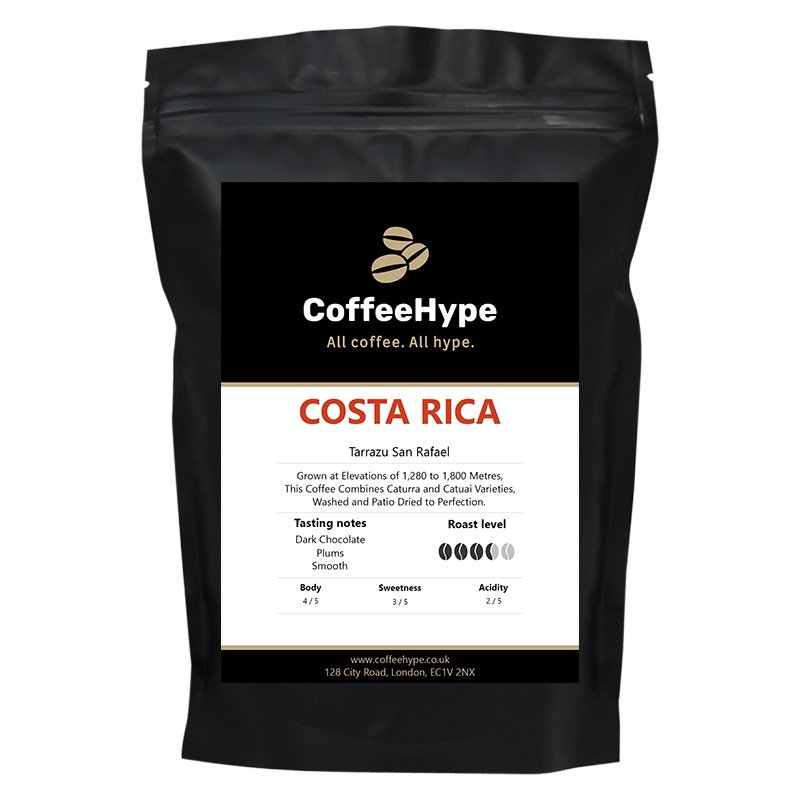
Costa Rica Tarrazu San Rafael Coffee
From: £9.99 — or subscribe to save 10% -
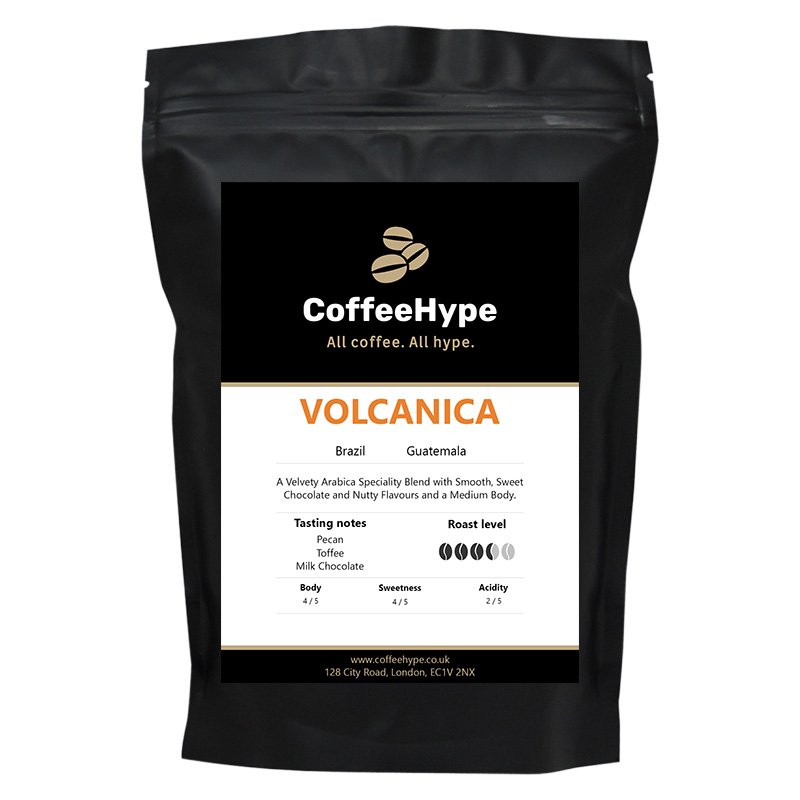
Volcanica Coffee Blend
From: £9.99 — or subscribe to save 10%


2023