Coffee roast levels can dramatically change what you experience in the cup.
The same green coffee can taste noticeably different depending on how it is roasted. A lighter roast may emphasise fruit, floral characteristics and acidity, while further roast development can introduce more caramelised, chocolatey, nutty and roasted flavours.
But light, medium and dark only tell part of the story. Origin, variety, processing, freshness and brewing method all influence the final drink.
Understanding coffee roast levels can help you choose beans based on the flavours you actually enjoy rather than simply reaching for whichever bag looks darkest.
What are coffee roast levels?
All roasted coffee begins as green coffee.
During roasting, the beans are exposed to heat and undergo numerous physical and chemical changes. They lose moisture, change colour, expand and develop many of the aromas and flavours we associate with coffee.
Coffee roast levels are usually described using broad categories:
- Light
- Medium
- Medium-dark
- Dark
These descriptions are useful, but they aren’t perfectly standardised. One roaster’s medium could be similar to another’s medium-dark.
Roast colour also doesn’t tell you everything about how a coffee was developed.
The Specialty Coffee Association’s coffee standards and resources provide further information about measurements and terminology used throughout specialty coffee.
What happens during coffee roasting?
Roasting involves much more than heating green beans until they turn brown.
As the beans heat up, moisture is lost and chemical reactions contribute to the development of colour, aroma and flavour.
The roaster controls factors including heat, airflow, time and roast development to create the desired profile.
An important stage is known as first crack.
Pressure builds inside the beans as roasting progresses until they expand and produce audible popping sounds. Lighter coffee roast levels are generally completed relatively early in roast development compared with darker styles.
If roasting continues far enough, another series of quieter cracking sounds known as second crack can occur.
By this point, the beans have undergone considerably more roast development and roast-derived flavours have become increasingly prominent.
First and second crack are useful roasting milestones, but they shouldn’t be treated as exact universal temperatures defining every roast.
Light roast coffee
Light roast beans are generally light brown and have little or no visible oil on the surface.
Because the roasting process has been taken less far, characteristics associated with the coffee’s origin, variety and processing can remain particularly noticeable.
Depending on the beans, flavours might include:
- Citrus
- Berries
- Stone fruit
- Flowers
- Tea
- Honey
- Tropical fruit
At the lighter end of coffee roast levels, the cup is often associated with brighter perceived acidity and greater emphasis on origin characteristics.
That doesn’t mean every light roast tastes fruity or acidic.
A light-roasted Brazilian coffee can taste completely different from a light-roasted Ethiopian coffee because the coffee itself still plays a major role.
Our Ethiopia coffee guide explores some of the characteristics associated with this famous origin.
Best brewing methods for light roast
Pour-over methods are particularly popular because they can produce a clean cup that allows subtle characteristics to stand out.
Try:
These aren’t strict rules. Light coffee can also produce excellent espresso or cafetière coffee with the right recipe.
Medium roast coffee
Medium roast sits between the brighter character often associated with light coffee and the stronger roast influence of darker beans.
The beans are generally medium brown with little obvious surface oil.
Common characteristics might include:
- Caramel
- Milk chocolate
- Nuts
- Brown sugar
- Fruit
- Toffee
Medium coffee roast levels can retain plenty of the coffee’s individual character while introducing greater sweetness and more developed roast flavours.
This makes medium roast particularly versatile.
A medium-roasted Colombian coffee can still taste very different from a medium-roasted Brazilian coffee.
Roast level influences flavour; it doesn’t replace origin.
Best brewing methods for medium roast
Medium roast works with almost any popular brewing method, including:
- Espresso
- Cafetière
- AeroPress
- Filter
- Pour-over
- Moka pot
If you regularly switch between brewing methods, medium roast can be an excellent place to start.
Our cafetiere brewing guide explains how to prepare one of the simplest immersion-style brews.
Dark roast coffee
Dark roast beans are generally dark brown and may develop visible oils on the surface.
As roast development increases, flavours created during roasting become more prominent while some characteristics associated with origin and processing may become less distinct.
Depending on the beans and roasting approach, dark coffee can offer flavours reminiscent of:
- Dark chocolate
- Toasted nuts
- Caramelised sugar
- Spice
- Smoke
- Roasted flavours
At darker coffee roast levels, people often experience more prominent bitterness and roast character.
That doesn’t make dark coffee inferior to light coffee. It’s simply a different flavour profile.
If you enjoy bold coffee or regularly add milk, darker roasting may provide the characteristics you’re looking for.
Best brewing methods for dark roast
Dark roast is commonly used for:
- Espresso
- Moka pot
- Cafetière
- Milk-based coffee
However, espresso doesn’t have to use dark beans.
Modern espresso can be prepared with everything from relatively light specialty coffee to traditional darker blends.
Our espresso guide explains how to make espresso at home.
Light vs medium vs dark coffee roast levels
The easiest way to compare coffee roast levels is to think about how flavour generally changes as roast development increases.
Light roast
Expect greater emphasis on the coffee’s individual characteristics, often accompanied by brighter acidity and fruit or floral notes.
Medium roast
Often provides a balance between origin character and roast development, with flavours such as caramel, chocolate, nuts and fruit.
Dark roast
Places greater emphasis on roast-derived characteristics, potentially including dark chocolate, toasted, smoky, spicy or bittersweet flavours.
These are tendencies, not guarantees.
The beans themselves still matter enormously.
Which roast level has the most caffeine?
Coffee roast levels aren’t a reliable way to determine how much caffeine you’ll get.
Dark roast doesn’t automatically contain considerably more caffeine because it tastes stronger, and light roast isn’t guaranteed to give you a larger caffeine hit either.
Roasting changes the mass, density and volume of the beans. Results can therefore differ depending on whether coffee is compared by bean count, scoop or weight.
The amount of coffee used and the brewing recipe also affect caffeine in the finished drink.
If you’re interested in caffeine, read our guide explaining how long coffee keeps you awake.
Does darker roast mean stronger coffee?
Not necessarily.
“Strong” can describe several different things:
- Caffeine
- Concentration
- Bitterness
- Roast flavour
- Body
A dark coffee can taste extremely intense without necessarily containing more caffeine.
Likewise, a light coffee brewed using a higher coffee-to-water ratio can produce a concentrated drink despite having less prominent roast flavour.
Coffee roast levels tell you about roast development, not simply how “strong” your finished drink will be.
Which coffee roast is best for each brewing method?
There are no compulsory pairings, but some combinations make useful starting points.
For pour-over, light and medium roasts are popular because paper-filtered brewing can highlight subtle flavours.
For cafetière, medium and darker coffees can produce a rich, full-bodied cup, although lighter beans can work too.
For espresso, medium and dark beans remain popular, particularly for milk-based drinks. Lighter specialty coffees can produce brighter, fruitier espresso.
For cold brew, almost any roast can work. Light coffee can produce a brighter result, while darker beans can emphasise chocolatey and roasted characteristics.
Rather than treating coffee roast levels as brewing rules, use them as a starting point and adjust your recipe according to the beans.
Do coffee roast levels affect acidity and bitterness?
Yes, but both subjects are more complicated than “light is acidic and dark is bitter”.
In coffee tasting, acidity often describes the perceived brightness or liveliness of a cup.
Lighter roasting can preserve more of these characteristics, while further roast development changes the balance of acids and introduces more roast-derived flavours.
Bitterness can become more prominent as roasting progresses.
Brewing also has a major influence.
A poorly suited grind or extraction can make good coffee taste unpleasantly bitter regardless of its roast level.
If you dislike one particularly sharp light roast or bitter dark roast, don’t assume every coffee in that category will taste the same.
How does coffee origin affect roast flavour?
Roast is only one layer of flavour.
Origin, variety, growing conditions and processing can all influence what eventually reaches your cup.
Coffees from Kenya, Ethiopia and Brazil can offer very different characteristics.
The roaster then decides how to develop those beans.
Lighter roasting might emphasise particular origin characteristics, while further development can create a different balance of sweetness, body and roast flavour.
That’s why two bags carrying the same roast label can taste completely different.
Why freshly roasted coffee matters
Whatever coffee roast levels you prefer, freshness matters.
Roasted coffee changes over time, particularly when exposed to oxygen, moisture, heat and light.
Store your beans properly sealed somewhere cool, dry and away from strong light.
Our guide to how to store coffee explains how to keep your coffee in good condition at home.
Grinding shortly before brewing can also help preserve more aroma than leaving ground coffee exposed for long periods.
How to choose between coffee roast levels
The easiest approach is to start with the flavours you enjoy.
Choose light roast if you like bright fruit, floral characteristics and distinctive origin flavours.
Try medium if you prefer balance, sweetness, chocolate, caramel and versatility.
Explore darker roasting if you enjoy prominent roast character, dark chocolate, toasted flavours or coffee that remains noticeable when milk is added.
You don’t have to stick with one.
Trying different coffee roast levels is one of the easiest ways to discover how varied coffee can be.
For something less serious, our guide to what your coffee roast says about you takes a light-hearted look at what your favourite roast might supposedly reveal about your personality.
Find your favourite coffee roast level
Understanding coffee roast levels makes choosing your next bag much easier.
Light, medium and dark aren’t measures of quality. They’re broad descriptions of roast development, and each can produce excellent coffee.
If you enjoy bright fruit and distinctive origin characteristics, explore lighter roasting.
For sweetness and balance, try medium.
If you prefer chocolatey, toasted and more prominent roast flavours, move darker.
Then experiment with different origins and brewing methods.
The best choice isn’t determined by a chart — it’s the coffee you most enjoy drinking.
At CoffeeHype, our coffee is freshly roasted to order and available as whole beans or ground for different brewing methods.
Browse our freshly roasted coffee beans and explore different coffee roast levels, origins and flavour profiles to find your favourite.
Best Selling Products
-

Brazil Fazenda Pinhal Coffee
From: £9.99 — or subscribe to save 10% -
House Blend Coffee
From: £9.99 — or subscribe to save 10% -
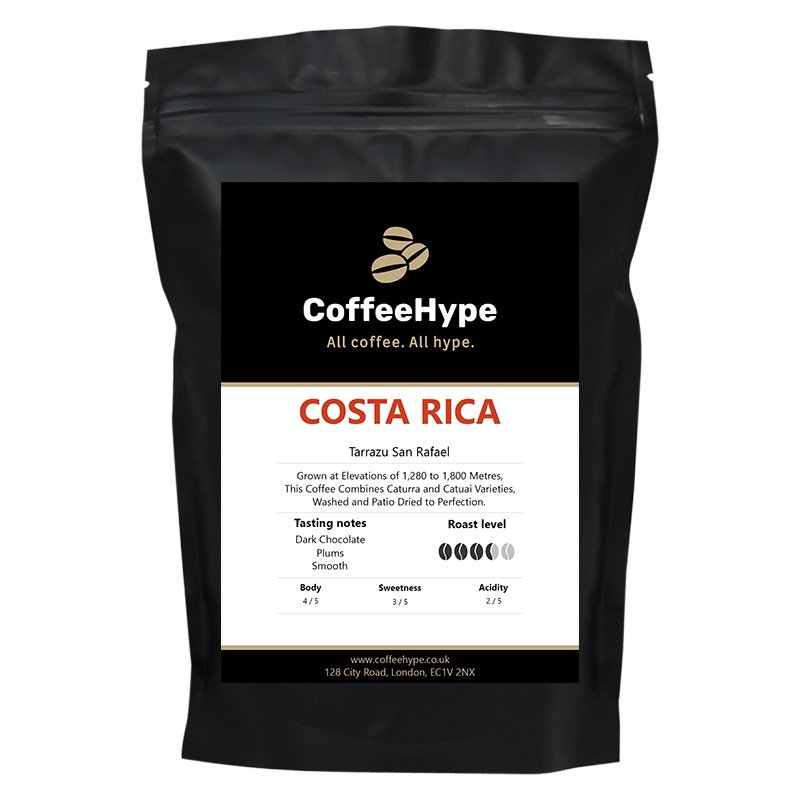
Costa Rica Tarrazu San Rafael Coffee
From: £9.99 — or subscribe to save 10% -
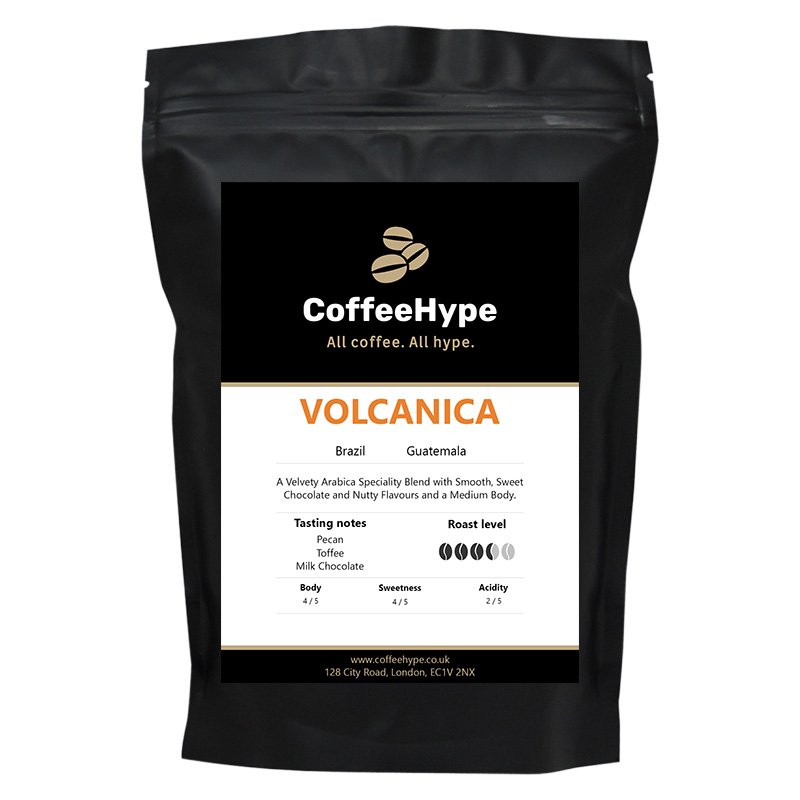
Volcanica Coffee Blend
From: £9.99 — or subscribe to save 10%


2025