The relationship between coffee and gut health has become an increasingly interesting area of research.
Coffee contains hundreds of compounds, and when you drink it, some of those compounds interact with the microorganisms living in your digestive system.
A major study published in Nature Microbiology in 2024 provided fascinating new evidence of this relationship. Researchers found a particularly strong association between coffee consumption and a specific species of gut bacterium called Lawsonibacter asaccharolyticus.
But does that mean drinking coffee improves your gut health?
Not necessarily.
Research into coffee and gut health demonstrates a strong relationship between coffee and the gut microbiome, but scientists still need to establish exactly what that means for human health.
Here’s what we currently know — and what the research doesn’t yet tell us.
What is the gut microbiome?
Your digestive system contains a vast community of microorganisms, including bacteria.
Collectively, this ecosystem is known as the gut microbiome.
The composition of your microbiome can be influenced by numerous factors, including:
- Diet
- Age
- Medication
- Lifestyle
- Environment
- Health
Researchers studying coffee and gut health are increasingly interested in understanding how individual foods interact with particular microorganisms.
Coffee provides an especially interesting example because so many people consume it regularly.
What did the coffee and gut health study investigate?
The 2024 study was published in the scientific journal Nature Microbiology and investigated the relationship between coffee consumption and the human gut microbiome.
Researchers analysed detailed dietary information and gut microbiome data from more than 22,000 participants across several US and UK cohorts.
They then incorporated microbiome information from tens of thousands of additional samples collected through previous studies around the world.
The researchers had previously compared more than 150 foods and found that coffee showed the strongest association with components of the gut microbiome.
That made coffee and gut health an interesting area for much more detailed investigation.
You can read the full Nature Microbiology coffee and microbiome study for the complete research and methodology.
What did researchers discover?
The study found clear differences between the microbiomes of coffee drinkers and people who rarely or never drank coffee.
Researchers identified 115 microbial species that were positively associated with coffee consumption.
But one stood out.
That bacterium was Lawsonibacter asaccharolyticus.
Its relationship with coffee was considerably stronger than the associations seen with most other microorganisms investigated.
This discovery is one of the most interesting pieces of evidence we currently have when examining coffee and gut health.
What is Lawsonibacter asaccharolyticus?
Lawsonibacter asaccharolyticus is a bacterial species found in the human gut.
In the study, its abundance was substantially greater among coffee drinkers than non-drinkers.
Depending on the cohort, researchers found its median abundance was approximately 4.5 to 8 times higher in high coffee drinkers compared with people categorised as non-drinkers.
Moderate coffee drinkers also showed substantially higher abundance in some cohorts.
Importantly, this is an association.
Finding more of a particular bacterium in coffee drinkers doesn’t automatically mean that bacterium is beneficial or that increasing it will improve someone’s health.
The researchers therefore went further to investigate whether coffee itself could be contributing to its growth.
Can coffee encourage this bacterium to grow?
This is where the research into coffee and gut health becomes particularly interesting.
Scientists grew L. asaccharolyticus under laboratory conditions and exposed it to different coffee preparations.
These included:
- Brewed coffee
- Brewed decaffeinated coffee
- Instant coffee
- Instant decaffeinated coffee
Coffee supplementation stimulated the bacterium’s growth under the experimental conditions.
That supports the idea that the association observed in people’s microbiomes may, at least partly, involve a direct response of the bacterium to coffee.
However, laboratory experiments aren’t the same as demonstrating a particular health outcome in humans.
They help researchers understand the mechanism behind the relationship rather than proving that drinking more coffee will improve your gut.
Does decaf coffee affect the gut microbiome?
One particularly interesting finding for coffee and gut health involved decaffeinated coffee.
The researchers found that several of the strongest coffee-associated microbial species were also associated with decaf consumption.
In laboratory experiments, both caffeinated and decaffeinated coffee stimulated the growth of L. asaccharolyticus.
This suggests caffeine isn’t solely responsible for the relationship.
Coffee contains many other compounds that could interact with gut microorganisms.
That makes decaf particularly interesting for future research.
If you’re considering reducing your caffeine intake, our guide to decaf coffee benefits explains more about decaffeinated coffee.
What do coffee polyphenols have to do with gut bacteria?
Coffee contains numerous compounds, including polyphenols such as chlorogenic acids.
These compounds can be transformed through digestion and microbial activity.
Researchers studying coffee and gut health therefore looked at metabolites alongside microbiome data to investigate possible connections between coffee, L. asaccharolyticus and chemical compounds in the body.
They identified several metabolites associated with coffee consumption and the bacterium, including quinic acid.
The study discusses how chlorogenic acid can be extensively metabolised by gut microorganisms into various compounds.
This provides researchers with potential biochemical pathways to investigate further.
But it’s important not to jump from that finding to claiming that a particular coffee metabolite prevents diseases or directly improves gut health.
The study wasn’t designed to establish those outcomes.
Does coffee improve gut health?
This is the big question surrounding coffee and gut health — and one that currently needs a cautious answer.
The research provides strong evidence that coffee consumption is associated with differences in the gut microbiome.
It also provides experimental evidence that coffee can stimulate the growth of L. asaccharolyticus under laboratory conditions.
What it doesn’t prove is that this change makes your microbiome “healthier”.
Gut health is considerably more complicated than having more or less of one bacterial species.
Scientists need to understand what particular microorganisms are doing, how they interact with the rest of the microbiome and whether those changes lead to meaningful health outcomes.
So the current evidence is fascinating, but it shouldn’t be interpreted as proof that drinking coffee is a gut-health treatment.
Why is coffee useful for microbiome research?
Coffee has several characteristics that make it particularly useful for this type of research.
One is regularity.
Many coffee drinkers consume it daily, making habitual intake easier to identify than foods eaten only occasionally.
Coffee is also consumed extensively around the world.
Researchers were able to examine the prevalence of L. asaccharolyticus across populations and found relationships between estimated national coffee consumption and the prevalence of the bacterium.
Coffee also contains a distinctive collection of chemical compounds that can potentially be tracked as they’re metabolised.
Together, these characteristics make coffee useful for studying how individual foods interact with the microbiome and could help scientists better understand coffee and gut health.
Does drinking more coffee mean a bigger microbiome effect?
Not necessarily.
The study categorised participants into people who rarely or never consumed coffee, moderate coffee drinkers and high coffee drinkers.
The microbiomes of coffee drinkers were clearly distinguishable from those of non-drinkers.
However, distinguishing moderate from high coffee drinkers based on microbiome composition was much more difficult.
For coffee and gut health, that suggests the relationship isn’t simply a case of “more coffee equals more effect”.
And it certainly isn’t evidence that people should increase their coffee consumption specifically to change their microbiome.
Your response to caffeine and coffee is individual.
If you’re interested in how long caffeine can remain active, read our guide on how long coffee keeps you awake.
Does the way you brew coffee matter?
The 2024 study wasn’t designed to tell us which brewing method is “best” for coffee and gut health.
Different brewing methods can produce coffee with different concentrations of compounds, but it would be premature to recommend one method specifically for improving the microbiome based on this research.
So choose your brewing method primarily according to the coffee you enjoy.
You can experiment with methods such as cafetiere, V60, AeroPress or espresso.
Each produces a different drinking experience.
What about coffee’s other health effects?
Coffee has been extensively studied beyond the microbiome.
Observational research has found associations between coffee consumption and various health outcomes, but these relationships are complex and don’t mean coffee should be treated as medicine.
How you drink it also matters.
A cup of black coffee is nutritionally very different from a large drink containing substantial amounts of syrup, sugar and cream.
And individual responses vary.
Some people tolerate caffeine extremely well, while others experience disrupted sleep, anxiety, digestive discomfort or other unwanted effects.
Research into coffee and gut health therefore needs to be considered within the wider context of someone’s diet, lifestyle and individual response.
What does the research mean for coffee drinkers?
One of the most interesting conclusions from research into coffee and gut health isn’t that everyone should drink more coffee.
It’s that something as familiar as your daily cup appears to have a remarkably detectable relationship with the microorganisms living in your gut.
The 2024 research showed:
- Coffee consumption was strongly associated with gut microbiome composition.
- 115 microbial species were positively associated with coffee intake.
- Lawsonibacter asaccharolyticus showed the strongest association.
- Its abundance was substantially higher among coffee drinkers.
- Coffee stimulated its growth in laboratory experiments.
- Associations were also found with decaffeinated coffee.
- Researchers identified metabolites that may help explain some of these interactions.
What remains unclear is whether these changes directly produce beneficial health effects.
That’s the important next question for coffee and gut health research.
Coffee and gut health: what we know so far
Research into coffee and gut health is giving scientists a fascinating view of how individual foods can interact with the human microbiome.
The evidence that coffee consumption is associated with Lawsonibacter asaccharolyticus is particularly strong and has been reproduced across multiple populations.
But association isn’t the same as a proven health benefit.
We don’t yet know whether increasing this bacterium improves health, whether it contributes to any of coffee’s wider health associations or exactly which coffee compounds are responsible for the relationship.
Those questions require further research.
For now, the study gives coffee drinkers another reason to appreciate just how chemically and biologically complex their daily cup really is — without needing to turn coffee into a miracle gut-health drink.
If you enjoy coffee, choose it because you like the flavour and the experience.
At CoffeeHype, our coffee is freshly roasted to order and available as whole beans or ground for different brewing methods.
Browse our freshly roasted coffee beans and explore different origins, roasts and flavour profiles for your next cup.
Best Selling Products
-

Brazil Fazenda Pinhal Coffee
From: £9.99 — or subscribe to save 10% -
House Blend Coffee
From: £9.99 — or subscribe to save 10% -
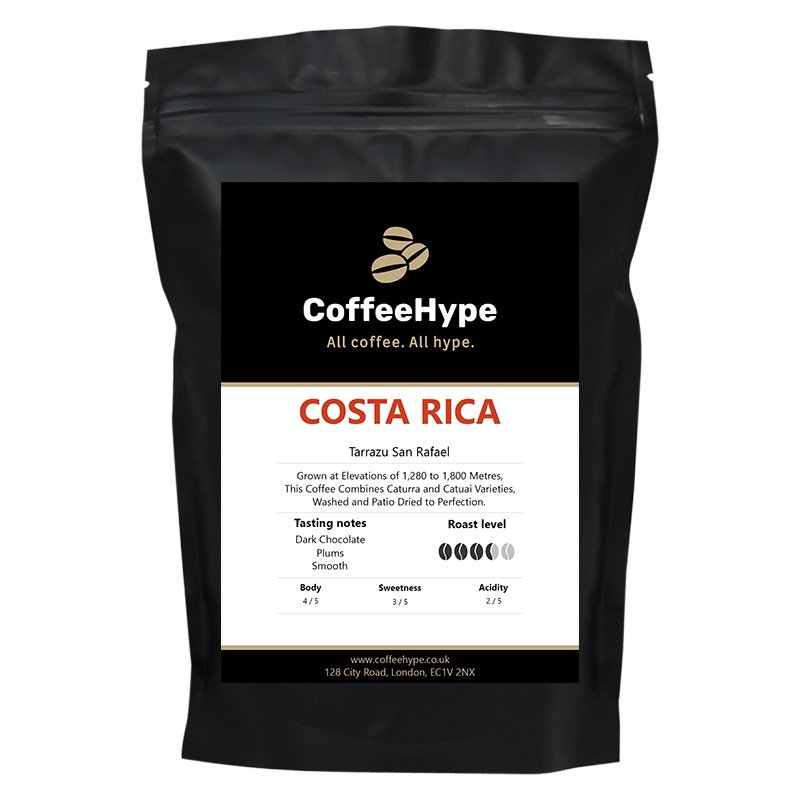
Costa Rica Tarrazu San Rafael Coffee
From: £9.99 — or subscribe to save 10% -
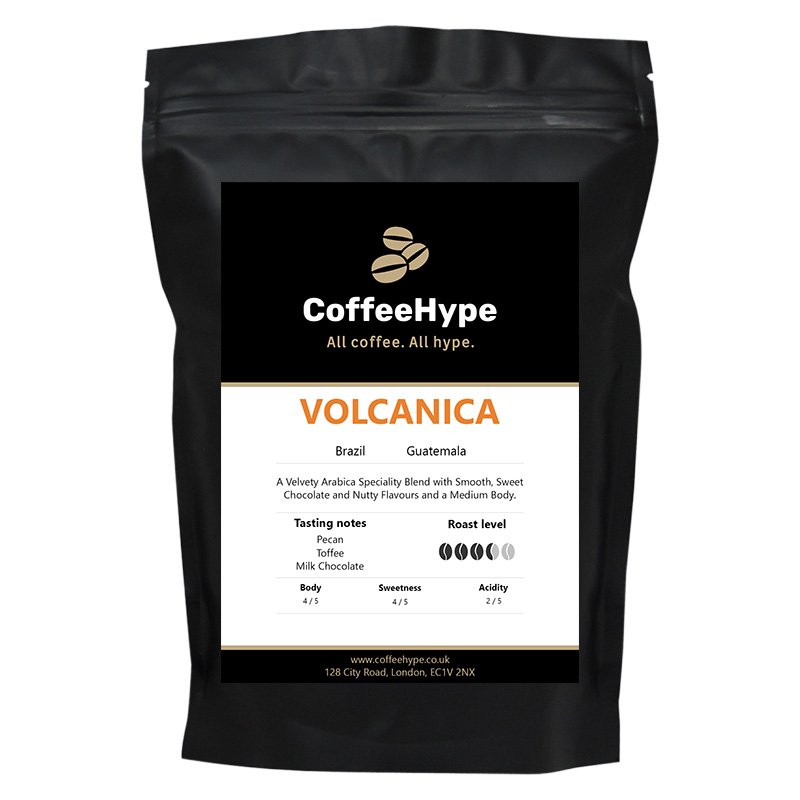
Volcanica Coffee Blend
From: £9.99 — or subscribe to save 10%


2025