Knowing how to store coffee properly can make a noticeable difference to the flavour and aroma of every cup.
Once coffee has been roasted, it gradually changes as aromatic compounds dissipate and the beans interact with their environment. Heat, moisture, oxygen and light can all contribute to deterioration.
That means where you keep your beans, what you keep them in and whether you grind them in advance can all affect the coffee you eventually brew.
But coffee storage advice is full of conflicting recommendations. Should beans go in the freezer? Is the original bag good enough? Do you need an expensive airtight container?
This guide separates fact from fiction and explains how to store coffee at home without making things unnecessarily complicated.
What makes coffee lose its freshness?
Roasted coffee doesn’t suddenly become unusable after a particular number of days.
Instead, its sensory characteristics gradually change.
Exposure to oxygen is one of the important factors. Once roasted coffee is exposed to air, oxidation and the loss of volatile aromatic compounds contribute to changes in flavour and aroma.
Heat can accelerate chemical reactions, while moisture can also be problematic.
Light is another reason not to leave coffee sitting in a transparent container on a sunny kitchen worktop.
For most households, learning how to store coffee comes down to controlling these environmental factors while buying an amount you can reasonably use while it still tastes good.
Fact: Keep coffee cool, dry and away from light
The simplest advice on how to store coffee is also among the most useful.
Keep your coffee somewhere cool, dry and dark.
A kitchen cupboard or pantry away from the oven, hob, radiator and direct sunlight is usually a sensible choice.
Avoid storing coffee directly above appliances that regularly produce heat.
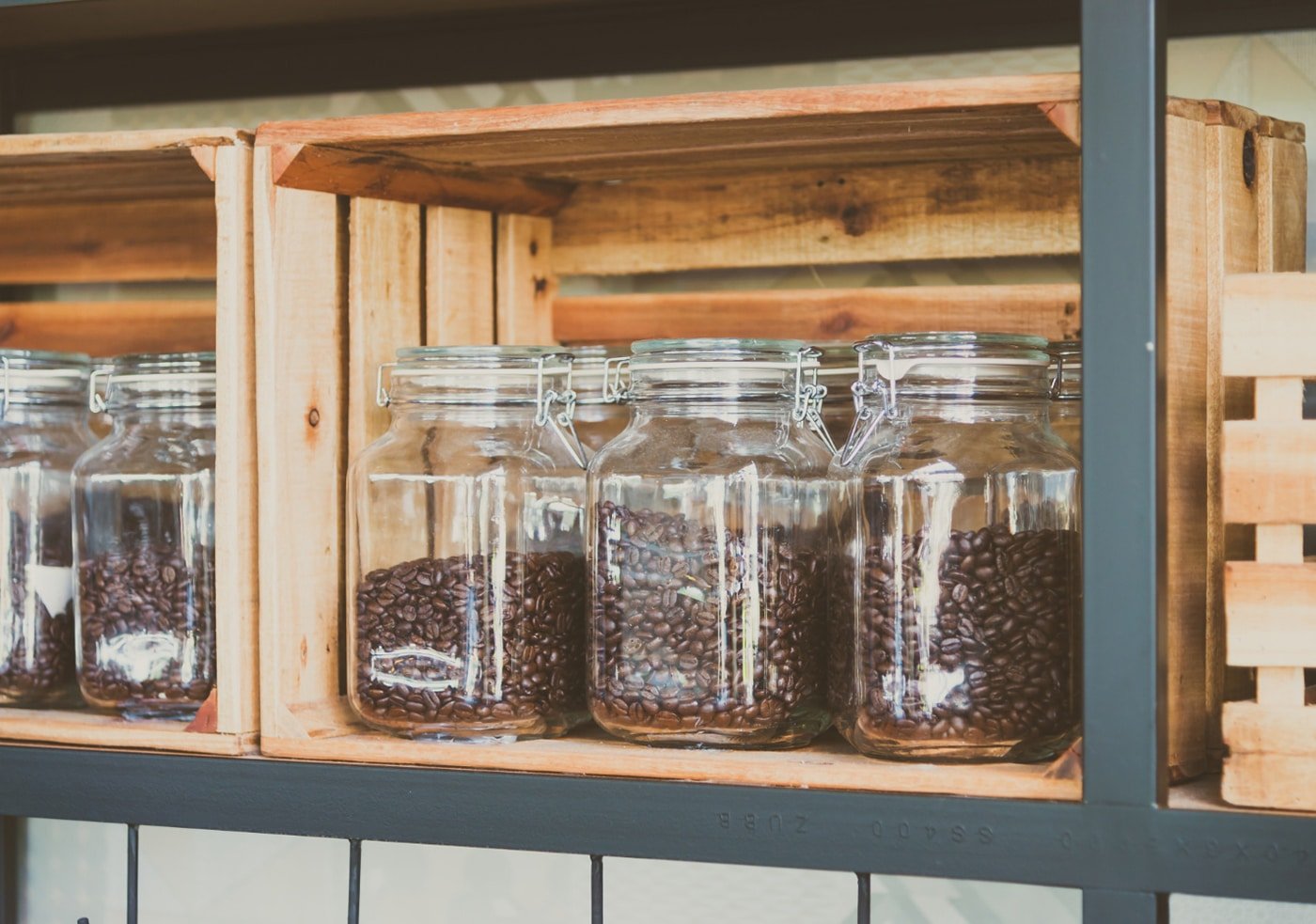
You also don’t need to display your beans in a clear glass jar on the worktop. It might look attractive, but an opaque container or cupboard offers better protection from light.
The goal isn’t to find the coldest possible part of your house. It’s to provide a relatively stable environment away from heat and moisture.
That’s the foundation of how to store coffee for everyday use.
Myth: Coffee should never be frozen
You’ll often hear that you should never put coffee in a freezer.
The reality is more nuanced.
Freezing can be useful when you want to preserve coffee for longer than you would normally keep it at room temperature. The important part is limiting its exposure to air and moisture.
Repeatedly taking a large container of beans out of the freezer, opening it, removing a scoop and putting it back isn’t ideal.
Temperature changes can encourage condensation, while continually opening the container exposes the coffee to the surrounding environment.
If you’re going to freeze coffee, portioning it into well-sealed quantities can be a better approach.
Remove only the portion you need rather than repeatedly opening the entire supply.
So when deciding how to store coffee for longer periods, the freezer shouldn’t automatically be ruled out.
Should coffee be kept in the fridge?
Generally, the fridge isn’t our first choice for everyday roasted coffee.
Refrigerators contain moisture, changing temperatures and plenty of strongly scented foods.
Coffee can also be exposed to condensation when it’s repeatedly removed and returned.
For coffee you’re going to use regularly, a suitable container or resealable coffee bag kept in a cool, dark cupboard is usually much simpler.
We’ve covered this question separately in our guide: should coffee be kept in the fridge?
If you’re working out how to store coffee in an ordinary kitchen, start with the cupboard rather than automatically reaching for the fridge.
Myth: You always need to remove coffee from its original bag
Not necessarily.
When deciding how to store coffee, remember that good coffee packaging is designed with storage in mind.
An opaque coffee bag with an effective resealable closure can provide a practical barrier between the beans and their environment.
Many freshly roasted coffees are also packaged with a one-way valve. Freshly roasted beans release carbon dioxide, and the valve allows gas to escape without requiring you to leave the bag open.
If the bag reseals effectively, you can continue storing the beans in it.
Push excess air from the bag where practical before closing it and store it somewhere cool and dark.
When learning how to store coffee, don’t assume buying another container is automatically an upgrade over good coffee packaging.
Fact: A suitable airtight container can work well
If your coffee bag doesn’t reseal properly, or you simply prefer using a dedicated container, an airtight coffee container can be a good option.
Choose something that closes securely and protects the coffee from light.
Opaque containers made from suitable food-safe materials are convenient because they can be left in a cupboard without exposing the beans to light each time the door opens.
If you use glass, keep the container inside a dark cupboard rather than on a sunny worktop.
Container size matters too.
Putting a small quantity of coffee into an enormous container leaves a relatively large amount of air in the empty space.
You don’t need specialist equipment to understand how to store coffee effectively. A sensible container, properly closed and kept in the right location, does most of the work.
Myth: Grinding a whole bag in advance is just as good
Grinding coffee dramatically increases its exposed surface area.
That’s useful during brewing because water can access the coffee more effectively, but it also means ground coffee can lose aromatic qualities faster than intact roasted beans.
For maximum freshness, grinding shortly before brewing is generally preferable.
A burr grinder can also provide a more consistent particle size than many blade grinders, helping you achieve more repeatable extraction.
If convenience means you need to buy ground coffee, don’t worry. You can still make enjoyable coffee.
Simply pay particular attention to resealing the packaging and protecting it from heat, moisture and light.
Knowing how to store coffee is useful whether you buy whole beans or have your coffee ground for your preferred brewing method.
Fact: Buy an amount you’ll actually use
One of the easiest ways to enjoy fresher coffee is to avoid storing enormous quantities unnecessarily.
Buying in bulk might look economical, but there’s little benefit in having months of roasted coffee sitting in a cupboard if its flavour deteriorates before you reach the bottom of the bag.
Consider how much coffee your household normally drinks and choose an appropriate quantity.
If you find an exceptional coffee you want to preserve for considerably longer, freezing well-sealed portions may be worth considering.
For normal everyday drinking, buying freshly roasted coffee in sensible quantities makes storage much easier.
This is an often-overlooked part of how to store coffee successfully: don’t create a storage problem in the first place.
Whole beans or ground coffee: which stores better?
If you’re considering how to store coffee for freshness, whole beans generally give you more flexibility.
Keeping the beans whole until shortly before brewing reduces the amount of coffee surface exposed to the surrounding air.
You can then grind exactly what you need for each brew.
This also lets you adjust grind size when switching between brewing methods.
An espresso requires a very different grind from a cafetiere, for example.
The same applies to methods such as the V60, Chemex and AeroPress.
Ground coffee is more convenient, however, and convenience matters.
If you don’t own a grinder, buying coffee ground appropriately for your brewing method and storing it carefully is better than using an unsuitable grind simply because whole beans are theoretically preferable.
How long does coffee stay fresh?
There’s no single date on which roasted coffee suddenly changes from fresh to stale.
Coffee develops over time after roasting, and different coffees, roast levels, packaging and storage conditions can behave differently.
Rather than obsessing over a precise number of days, pay attention to the coffee you’re actually drinking.
Has the aroma become noticeably weaker? Does the coffee taste flatter than when you first opened it? Are you finding it more difficult to achieve the brew you enjoyed previously?
Those observations can be more useful than treating freshness as an exact countdown.
Understanding how to store coffee properly helps slow unwanted deterioration, but no household storage method can preserve freshly roasted coffee indefinitely.
Does roast level affect storage?
All roasted coffee benefits from protection against air, heat, moisture and light, but different roast styles don’t necessarily age in exactly the same way.
Darker roasted beans have undergone a different degree of roasting and can have more oils visible on their surface.
Rather than trying to create completely different storage systems for every roast, follow the same fundamentals and buy quantities appropriate for your consumption.
If you’re unsure which roast suits you, our guide to coffee roast levels explains the differences between light, medium and dark roasting.
How to store coffee after opening the bag
Once you’ve opened your coffee, follow a simple routine:
- Take out only the amount you need.
- Remove excess air from a resealable bag where practical.
- Close the bag or container securely.
- Return it to a cool, dry and dark location.
- Avoid leaving it next to heat or in direct sunlight.
- Grind beans shortly before brewing when possible.
There’s no need to turn coffee storage into a complicated ritual.
Consistency matters more than buying every coffee-storage gadget available.
For most people wondering how to store coffee after opening it, a properly resealed bag in a suitable cupboard is an excellent starting point.
Common coffee storage mistakes
Even when you know how to store coffee, a few everyday habits can work against you.
Try to avoid:
- Leaving the bag open between brews
- Keeping coffee next to the hob or oven
- Storing beans in direct sunlight
- Allowing moisture into the container
- Repeatedly moving coffee between warm and cold environments
- Grinding a large quantity unnecessarily far in advance
- Buying far more roasted coffee than you can reasonably use
- Assuming refrigeration automatically makes coffee fresher
Correcting these mistakes is often more useful than investing in an expensive storage system.
Once you understand how to store coffee, the basic principles are surprisingly straightforward.
How should you store freshly roasted coffee?
Freshly roasted coffee should be treated much like any other roasted coffee: protect it from excessive exposure to oxygen, moisture, heat and light.
Keep the packaging properly sealed between uses and store it somewhere with a reasonably stable temperature.
The National Coffee Association’s consumer resource, About Coffee, provides further fact-based information about coffee, including brewing and proper storage.
Remember that coffee freshness isn’t simply about keeping beans for as long as physically possible.
The objective is to preserve the aromas and flavours that made you choose that coffee in the first place.
How to store coffee for the best flavour
Ultimately, learning how to store coffee doesn’t require complicated equipment.
For everyday use, keep your coffee sealed in good-quality packaging or an airtight container and place it somewhere cool, dry and dark.
Avoid unnecessary exposure to air, heat, moisture and direct sunlight.
If possible, keep coffee as whole beans and grind what you need shortly before brewing. Buy quantities that suit how quickly you drink coffee rather than keeping excessive amounts in storage.
And don’t be afraid of freezing coffee when there’s a genuine reason to preserve it for longer. Just use well-sealed portions and avoid repeatedly opening and returning the same container.
Start with good coffee, store it carefully and brew it consistently.
Browse CoffeeHype’s range of freshly roasted coffee beans, roasted to order and available as whole beans or ground to suit different brewing methods.
Best Selling Products
-

Brazil Fazenda Pinhal Coffee
From: £9.99 — or subscribe to save 10% -
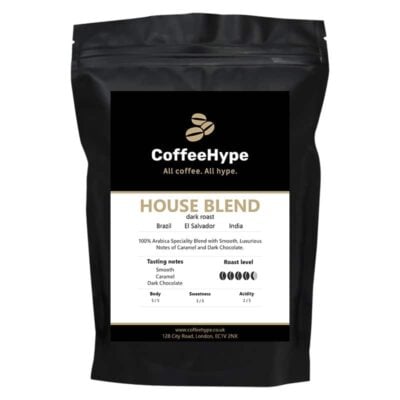
House Blend Coffee
From: £9.99 — or subscribe to save 10% -
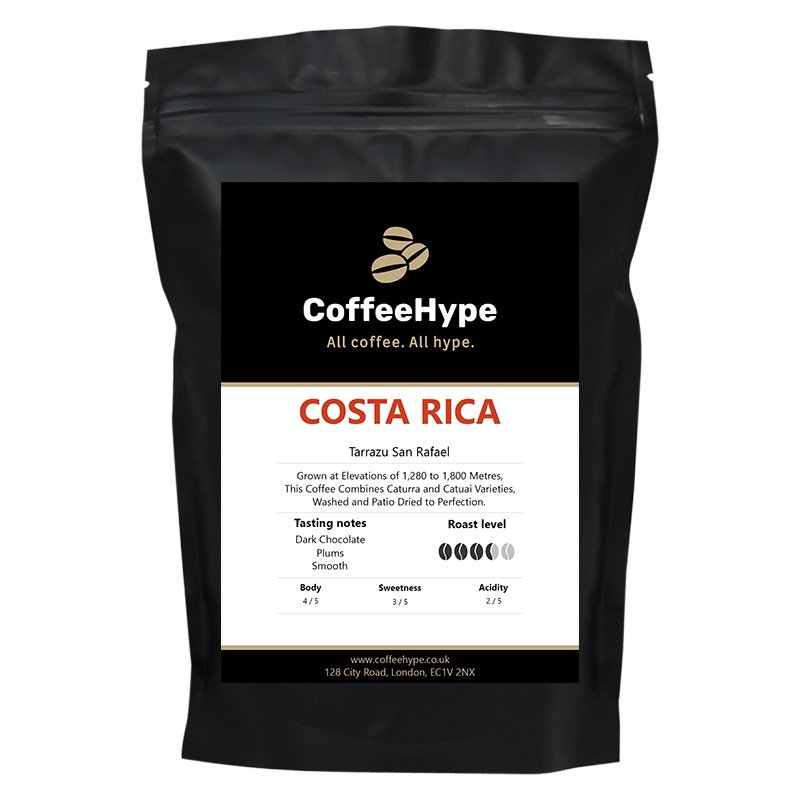
Costa Rica Tarrazu San Rafael Coffee
From: £9.99 — or subscribe to save 10% -
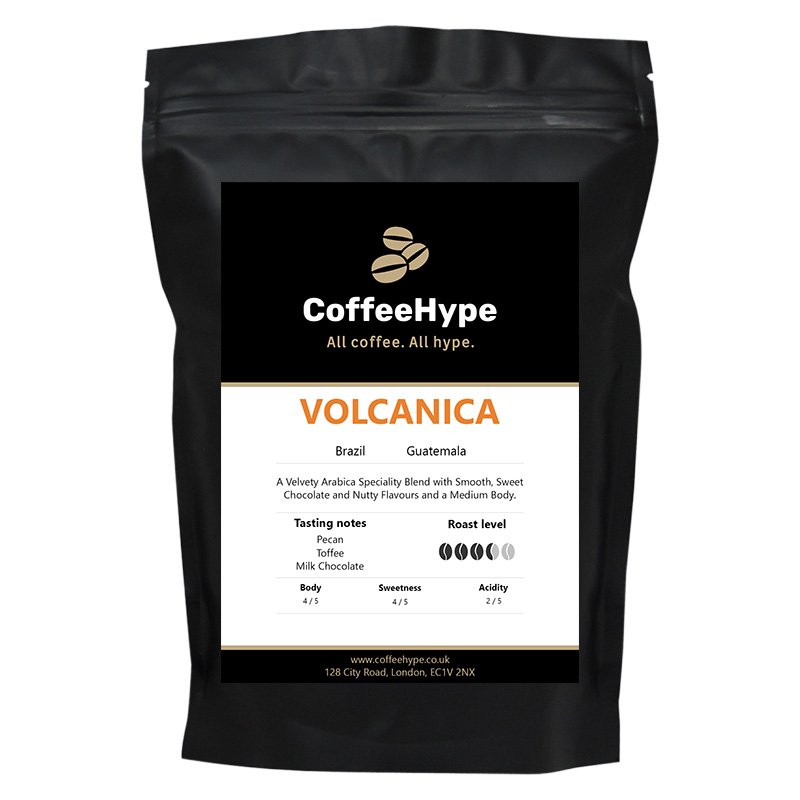
Volcanica Coffee Blend
From: £9.99 — or subscribe to save 10%


2024