



Should coffee be kept in the fridge? For everyday storage, the answer is usually no. A cool, dark and dry cupboard is generally a better place for coffee beans and ground coffee.
Coffee tastes best when it’s fresh, so it’s understandable that many people look for ways to make their coffee last longer.
One common idea is putting coffee in the fridge. It sounds logical: we refrigerate plenty of foods to keep them fresh, so surely the same should apply to coffee?
Unfortunately, coffee doesn’t quite work that way.
If you’re wondering should coffee be kept in the fridge to preserve freshness, refrigeration can introduce moisture, condensation, temperature changes and exposure to strong smells.
Fortunately, keeping coffee fresh at home is much simpler than you might think.
Should coffee be kept in the fridge?
Generally, no.
For coffee beans or ground coffee used every day, a cool, dark and dry cupboard is usually a better option.
When considering should coffee be kept in the fridge, remember that coffee can absorb surrounding aromas, while moving it between cold and warmer environments can create conditions where condensation becomes a problem.
Neither is particularly helpful when you’re trying to preserve the flavour and aroma of freshly roasted coffee.
Instead, focus on protecting your coffee from four things: air, moisture, heat and light.
Why does coffee go stale?
Coffee doesn’t suddenly become “bad” on a particular day. Instead, its flavour and aroma gradually change as roasted coffee interacts with the environment around it.
Exposure to oxygen contributes to changes in the compounds responsible for its flavour and aroma. Heat, light and moisture can also affect its quality.
That’s why leaving an opened bag of coffee sitting on a kitchen worktop isn’t ideal.
The longer coffee is exposed to unsuitable storage conditions, the more its original characteristics can change. So when deciding should coffee be kept in the fridge, simply making sure it is properly sealed and stored in a suitable cupboard is usually more important.
For more advice, read our guide to how to store your coffee.
What happens when you put coffee in the fridge?
Should coffee be kept in the fridge if you have space available? The problem with refrigeration isn’t simply that the temperature is low. There are several other factors to consider.
Moisture and condensation
When something cold is exposed to warmer air, condensation can form.
If you regularly take coffee out of the fridge and open the container, moisture may be introduced during those temperature changes.
Coffee should be protected from moisture, which is one reason the answer to should coffee be kept in the fridge is generally no for an everyday supply.
Coffee can absorb smells
Coffee can pick up aromas from its surroundings.
Your fridge might contain cheese, onions, garlic, leftovers or other strongly scented foods. Good airtight packaging helps, but there’s little advantage in exposing coffee to that environment when suitable cupboard storage is simpler.
Temperature changes
Every time you take coffee out of the fridge, open the packaging and put it back again, it experiences another change in temperature and humidity.
This is another consideration when asking should coffee be kept in the fridge. A stable environment in a kitchen cupboard avoids these repeated changes and is usually simpler for coffee you use regularly.
What is the best way to store coffee?
If you’re wondering should coffee be kept in the fridge or stored elsewhere, the basic principles of good coffee storage are straightforward.
Keep your coffee airtight, cool, dark and dry.
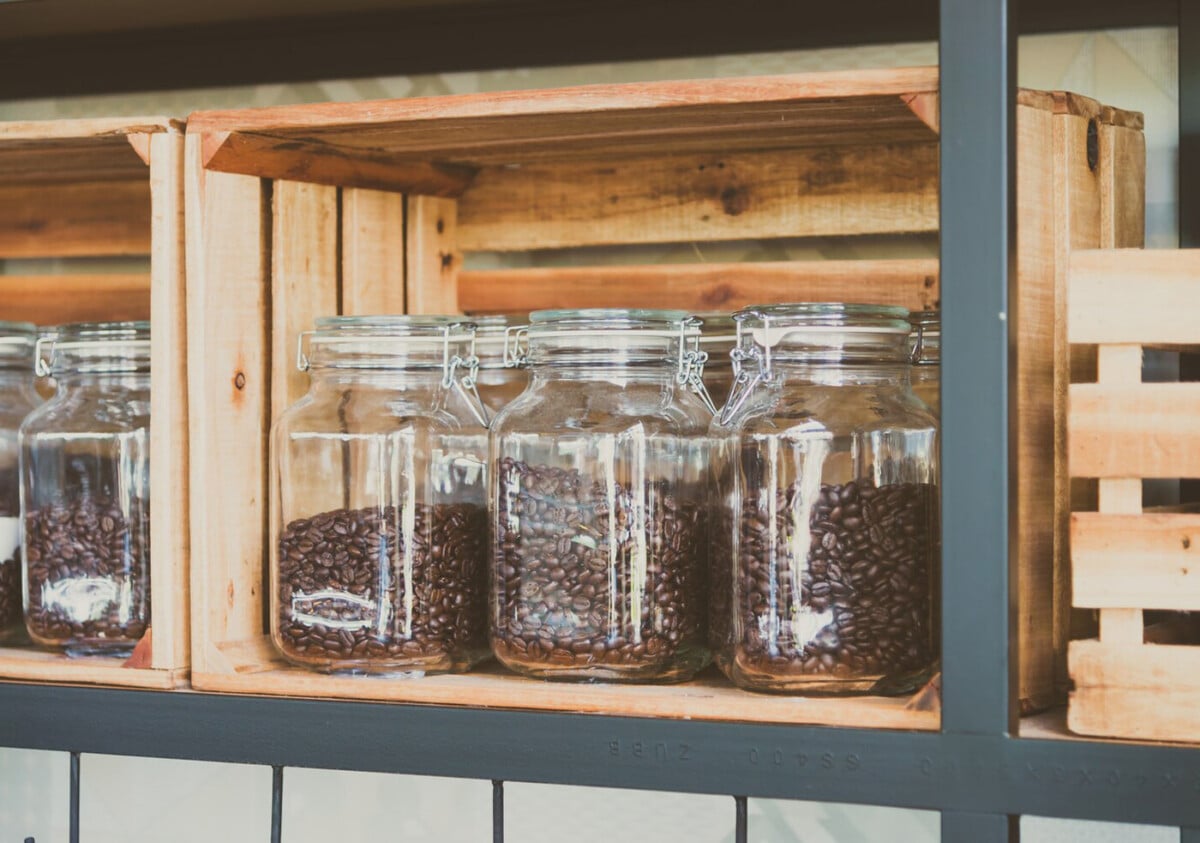
A kitchen cupboard or pantry is usually suitable, provided it isn’t next to a cooker, oven or another significant source of heat or moisture.
Ideally, your coffee should also be protected from direct sunlight and strong-smelling foods.
If you’re using the original packaging, make sure it is properly sealed after every use. Alternatively, use a suitable airtight coffee container.
The National Coffee Association’s About Coffee resource also provides information about coffee storage, brewing and coffee’s journey from farm to cup.
Should coffee stay in its original bag?
It can.
Good coffee packaging is designed to help protect the beans from oxygen, moisture and light. Many bags used for freshly roasted coffee also feature a one-way valve, allowing gases released by the coffee to escape.
If your coffee comes in a suitable resealable bag, there’s no immediate reason to transfer it to another container.
Simply remove the amount you need and reseal the bag carefully.
If you’re still considering should coffee be kept in the fridge while sealed in its original bag, a suitable cupboard is generally the better place for an everyday supply.
Are whole coffee beans better for freshness?
Generally, whole beans are the better choice if freshness is your priority.
Whole beans have less surface area exposed to the air than ground coffee. Grinding dramatically increases the exposed surface area, which means coffee can lose desirable aromas and flavours more quickly.
That’s why one of the easiest ways to improve your coffee at home is to grind whole beans shortly before brewing.
You don’t necessarily need to grind every dose seconds before making coffee, but avoiding unnecessarily long storage of ground coffee can help preserve more of its character.
CoffeeHype offers speciality coffees roasted to order, with options to buy whole beans or have your coffee freshly ground for your preferred brewing method.
How long does coffee stay fresh?
There’s no single number that applies to every coffee.
How long coffee remains at its best depends on the roast, packaging, storage conditions and whether you’re storing whole beans or ground coffee.
Freshly roasted coffee also releases carbon dioxide after roasting, commonly known as degassing. Depending on the coffee and brewing method, allowing the beans some resting time after roasting can be beneficial.
Afterwards, exposure to oxygen and other environmental factors gradually alters the coffee’s flavour and aroma.
Rather than buying huge quantities and storing them for months, it’s generally better to buy an amount you can realistically enjoy while it is still fresh.
Can you freeze coffee beans?
Unlike everyday refrigeration, freezing can be useful for longer-term coffee storage when done properly.
This distinction matters when answering should coffee be kept in the fridge, because refrigeration and properly controlled freezing aren’t the same thing.
If you have more coffee than you’re likely to use soon, freezing well-sealed portions can help slow changes associated with ageing.
The important thing is protecting the beans from moisture and air.
If you decide to freeze coffee, divide it into suitable portions and seal them as airtight as possible. This avoids repeatedly opening one large frozen bag.
When you’re ready to use a portion, keeping it sealed while it warms towards room temperature can help prevent moisture from condensing directly onto the cold beans.
For most people buying appropriately sized bags of freshly roasted coffee, however, freezing isn’t necessary.
Where should you store coffee?
If coffee shouldn’t normally go in the fridge, where should you put it?
A normal kitchen cupboard can be an excellent place to store coffee. Look for somewhere that is:
- Cool – away from ovens, hobs, radiators and other heat sources.
- Dark – away from direct sunlight.
- Dry – away from sinks, steam and areas where moisture is common.
- Suitable for sealed storage – reseal the packaging or use an airtight container.
- Away from strong smells – avoid particularly aromatic foods.
So, should coffee be kept in the fridge or cupboard? For an everyday supply, a suitable cupboard is generally the better choice.
What about coffee in an airtight container in the fridge?
Should coffee be kept in the fridge if you use an airtight container?
An airtight container offers better protection than leaving an opened bag exposed inside the fridge, but it doesn’t make refrigeration the ideal everyday storage method.
You still take the container from a cold environment into a warmer one whenever you want coffee, potentially exposing it to repeated temperature changes.
If you already have a good airtight container, you’re generally better off keeping it in a cool, dark cupboard.
Even with a suitable container, when deciding should coffee be kept in the fridge, cupboard storage remains the simpler option for coffee you use regularly.
Should instant coffee be kept in the fridge?
Instant coffee is different from freshly roasted whole beans and ground coffee.
It has been brewed and then dehydrated during manufacturing, giving it different storage characteristics and typically a much longer shelf life.
There’s generally no need to keep instant coffee in the fridge.
Instead, follow the manufacturer’s storage instructions, keep the container tightly sealed and protect it from heat and moisture.
Does freshly roasted coffee taste better?
Freshness matters, but freshly roasted doesn’t necessarily mean coffee is at its best the moment it leaves the roaster.
Coffee releases gases after roasting and can benefit from a resting period before brewing. The ideal amount of time varies depending on the coffee, roast and brewing method.
Afterwards, its flavour and aroma continue to evolve as the coffee ages.
That’s one reason a roast date can be useful when buying speciality coffee.
If you want to get the most from your beans, buy sensible quantities and store them properly. When deciding should coffee be kept in the fridge, remember that protecting your beans from air, heat, light and moisture matters most.
Fresh coffee starts with fresh beans
Good storage can help preserve the coffee you already have, but it can’t make old coffee fresh again.
Starting with freshly roasted beans and storing them properly gives you a much better foundation for a great cup of coffee.
At CoffeeHype, our speciality coffee is roasted to order, packed fresh and delivered to your door. You can choose from blends, single-origin coffees and decaf, with whole bean and freshly ground options available.
Buying quantities that suit your normal coffee routine also means you don’t need to keep a large supply sitting around for months.
So, should coffee be kept in the fridge?
Should coffee be kept in the fridge? For everyday coffee, generally no.
Keeping coffee in the fridge can expose it to unwanted moisture, odours and repeated temperature changes while providing little advantage over good cupboard storage.
If someone asks should coffee be kept in the fridge to keep it fresh for longer, the simplest advice is to keep an everyday supply properly sealed somewhere cool, dark and dry instead.
If possible, buy whole beans and grind what you need closer to brewing.
If you’re looking for fresh coffee to start with, explore the CoffeeHype coffee collection to discover freshly roasted speciality coffee blends, single-origin coffees and decaf.
You can also explore our guide to choosing the best coffee beans to find the right beans for your taste and preferred brewing method.
Best Selling Products
-

Brazil Fazenda Pinhal Coffee
From: £9.99 — or subscribe to save 10% -
House Blend Coffee
From: £9.99 — or subscribe to save 10% -
Costa Rica Tarrazu San Rafael Coffee
From: £9.99 — or subscribe to save 10% -
Volcanica Coffee Blend
From: £9.99 — or subscribe to save 10%



2026