
Choosing the right coffee grind size can make a noticeable difference to the flavour of your coffee. Grind too finely for your brewing method and the coffee may extract too slowly, while grinding too coarsely can allow the water to pass through or extract the coffee too quickly.
The ideal grind also varies depending on how you’re making your coffee. Espresso generally requires a much finer grind than a cafetière, while brewing methods such as V60, Chemex and AeroPress sit somewhere in between.
This coffee grind size guide explains the different grind levels, which grind to use for popular brewing methods and how to adjust your grinder when your coffee doesn’t taste quite right.
Why Does Coffee Grind Size Matter?
When coffee beans are ground, their surface area increases, allowing water to extract flavour compounds from the coffee.
Coffee grind size influences how quickly that extraction takes place.
Fine coffee grounds expose more surface area to the water, while coarse grounds expose less. Your brewing method, contact time, water temperature and other variables all work alongside grind size to determine how your coffee tastes.
This is why there isn’t one coffee grind size that’s suitable for every brewing method.
A quick espresso extraction requires a different grind from coffee that will steep for several minutes in a cafetière.
Coffee Grind Size Chart
If you’re unsure where to start, use this coffee grind size chart as a general guide.
| Brewing method | Suggested grind size |
|---|---|
| Espresso | Fine |
| Stovetop / Moka pot | Fine to medium-fine |
| AeroPress | Medium-fine |
| V60 | Medium to medium-fine |
| Filter coffee | Medium |
| Chemex | Medium-coarse |
| Cafetière / French press | Medium-coarse to coarse |
| Cold brew | Coarse |
These are starting points rather than strict rules. Different coffees, grinders, recipes and brewing techniques can require small adjustments.
The best coffee grind size is ultimately the one that produces the flavour and extraction you’re looking for.
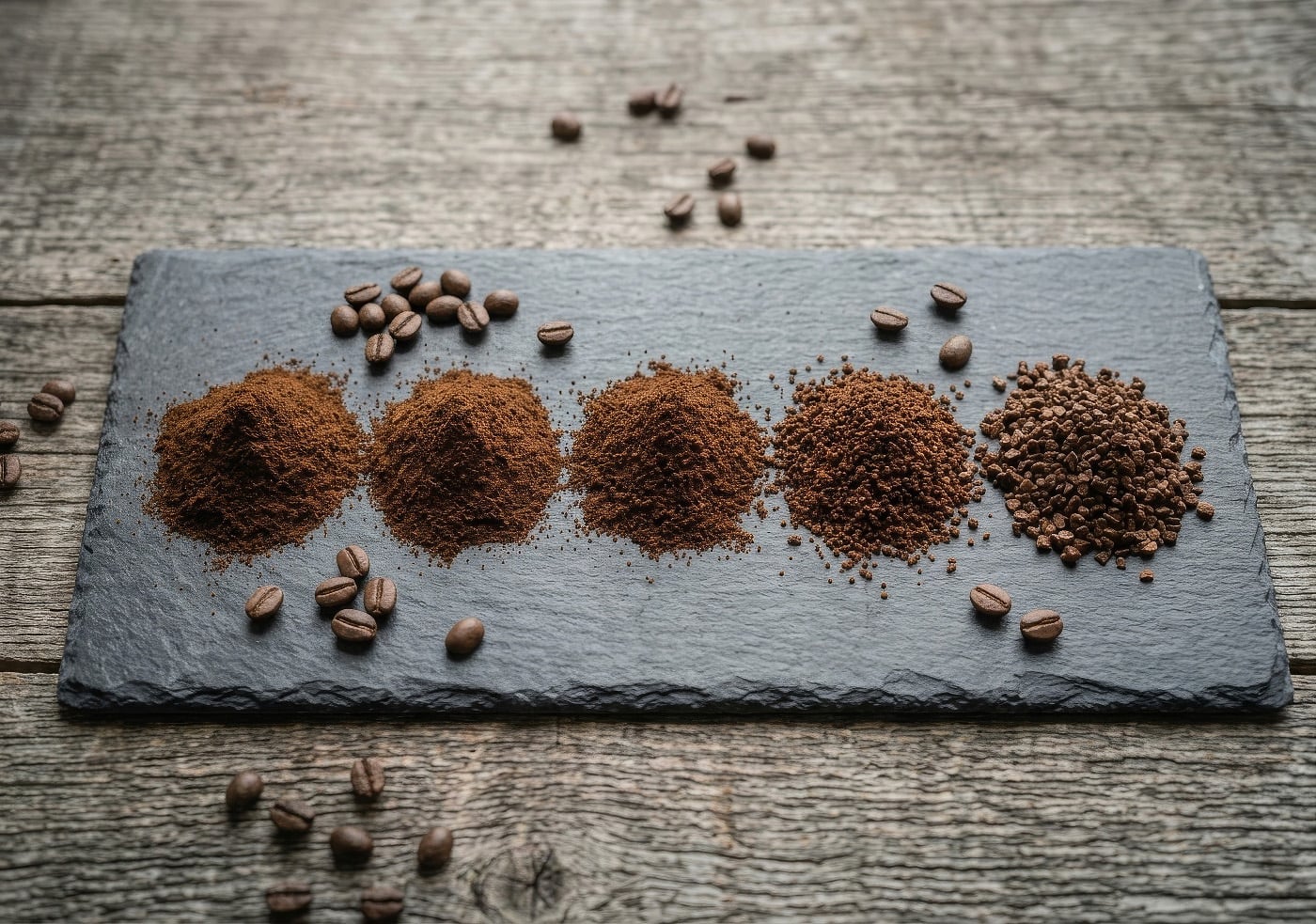
Fine Coffee Grind
Finely ground coffee has small particles with a texture considerably finer than typical filter coffee.
A fine coffee grind size is most commonly associated with espresso because an espresso machine forces water through the coffee over a relatively short period.
The finer grind provides greater resistance to the water and helps achieve the required extraction during the short brewing time.
If espresso is ground too coarsely, water can pass through the coffee too quickly, resulting in a fast shot that may taste thin or sour.
If it’s too fine, the shot can run too slowly and may taste harsh or bitter.
Medium-Fine Coffee Grind
Medium-fine sits between espresso and a typical medium filter grind.
It’s a useful starting point for brewing methods such as AeroPress and can also work with some pour-over recipes.
Because AeroPress recipes vary considerably, there isn’t a single coffee grind size that works for every method. Brew time, water temperature and how the AeroPress is used can all influence the ideal setting.
If you’re making coffee this way, see our guide to making AeroPress coffee.
Medium Coffee Grind
Medium-ground coffee is commonly used for filter brewing and provides a useful middle ground between fine espresso coffee and coarse immersion brewing.
It can also provide a starting point for some pour-over methods.
With filter coffee, the ideal coffee grind size will depend partly on how quickly water passes through the coffee bed.
If the water drains too quickly and the coffee tastes weak or sharp, a slightly finer grind may help. If the brew takes too long and tastes overly bitter or heavy, try moving slightly coarser.
Medium-Coarse Coffee Grind
A medium-coarse grind has visibly larger particles than standard filter coffee.
This coffee grind size can work particularly well for Chemex brewing, where the thicker filter affects the rate at which water passes through the coffee.
A medium-coarse grind can help prevent the brew from becoming excessively slow while still allowing enough contact between the coffee and water.
Read our guide to making Chemex coffee for the complete brewing process.
Coarse Coffee Grind
Coarsely ground coffee contains noticeably larger particles and is commonly associated with longer immersion brewing methods.
A cafetière is a good example. Because the coffee remains in contact with the water for several minutes, a coarser grind provides a useful starting point.
The Specialty Coffee Association’s French press brewing guidance, for example, uses a medium-coarse grind with a four-minute brewing time.
If you regularly use this method, our guide to making cafetière coffee covers the process in more detail.
Coarse coffee is also commonly used for cold brew because of its much longer extraction time.
What Coffee Grind Size Should You Use for Espresso?
Espresso requires a fine grind.
Because an espresso machine extracts coffee over a short period under pressure, small adjustments to coffee grind size can make a substantial difference to how quickly the shot runs.
If your espresso pours very quickly and tastes thin or sour, try grinding slightly finer.
If it runs very slowly and tastes bitter or harsh, try grinding slightly coarser.
Make small adjustments rather than moving dramatically between grinder settings.
Our guide to making espresso explains the complete process.
What Coffee Grind Size Should You Use for AeroPress?
A medium-fine grind is a good starting point for many AeroPress recipes. This also matches the official AeroPress guidance on choosing the right grind size.
However, AeroPress is an unusually flexible brewing method. Recipes can use different brewing times, water temperatures and techniques, so the ideal coffee grind size can vary.
A shorter brew may work better with a finer grind, while longer immersion recipes may benefit from moving slightly coarser.
If the coffee tastes weak or sour, try grinding a little finer. If it tastes too bitter or heavy, try moving slightly coarser.
What Coffee Grind Size Should You Use for V60?
For V60 coffee, a medium to medium-fine grind provides a useful starting point, although the ideal setting depends on your recipe and coffee.
The grind affects how quickly water moves through the coffee bed.
If your V60 drains very quickly and the coffee tastes weak or underdeveloped, try a slightly finer grind. If the water takes too long to drain, moving coarser may improve the flow.
Your pouring technique and filter paper can also influence the result, so change one variable at a time when adjusting your recipe.
See our V60 coffee guide for step-by-step brewing instructions.
What Coffee Grind Size Should You Use for Chemex?
A medium-coarse grind is a sensible starting point for Chemex coffee.
Chemex uses relatively thick filter paper, which can slow the flow of water through the coffee bed. Grinding too finely can make the brew take considerably longer.
If your Chemex coffee tastes weak and the water passes through too quickly, try moving the coffee grind size slightly finer.
If the brew is excessively slow or tastes too heavy or bitter, try a slightly coarser setting.
What Coffee Grind Size Should You Use for a Cafetière?
For cafetière coffee, start with a medium-coarse to coarse grind.
Unlike espresso or pour-over coffee, a cafetière uses immersion brewing. The grounds remain in contact with the water during the brewing period before being separated using the plunger and filter.
Grinding too finely can produce more sediment in the cup and make the plunger harder to press.
A coarser grind is therefore generally better suited to this longer brewing method.
What Coffee Grind Size Should You Use for a Moka Pot?
For a stovetop or Moka pot, start with a fine to medium-fine grind.
It should generally be coarser than the very fine grind used for espresso but finer than standard filter coffee.
Grinding too finely can restrict the flow of water through the coffee, while an excessively coarse grind can produce a weaker brew.
Our stovetop coffee guide explains how to prepare coffee using this method.
What Coffee Grind Size Should You Use for Cold Brew?
Cold brew generally works well with a coarse grind.
Unlike hot brewing methods, cold brew typically leaves coffee in contact with water for an extended period. Using coarse grounds provides a good starting point for this long immersion process.
A very fine grind can also make filtering the finished cold brew more difficult.
For recipes and brewing ideas, see our cold brew coffee guide and cold brew recipes.
What Happens if Coffee Is Ground Too Fine?
Using a coffee grind size that’s too fine for your brewing method can slow extraction and increase resistance to water.
With espresso, an excessively fine grind can result in a very slow shot.
With pour-over coffee, fine particles can slow the flow through the filter and extend the brewing time.
The result can sometimes taste bitter, harsh or overly heavy, although taste is affected by more than grind size alone.
If you suspect your coffee is too finely ground, move the grinder slightly coarser and brew again without changing the other variables.
What Happens if Coffee Is Ground Too Coarse?
Coffee that’s too coarse can have the opposite effect.
Water may move through the grounds too quickly in methods such as espresso and pour-over, reducing the opportunity for extraction.
The resulting coffee can taste weak, thin, sour or underdeveloped.
Try adjusting the coffee grind size slightly finer while keeping your dose, water and brewing technique consistent.
Making one adjustment at a time makes it much easier to identify what’s improving the cup.
Use Taste to Adjust Your Coffee Grind Size
Charts and grinder recommendations are useful starting points, but taste should ultimately guide your adjustments.
If your coffee tastes sour, sharp or weak, it may be under-extracted. Moving the grind slightly finer can increase extraction.
If the coffee tastes excessively bitter, harsh or heavy, a coarser grind may help.
However, coffee grind size isn’t the only variable that affects extraction. Water temperature, brewing time, coffee-to-water ratio, pouring technique and the coffee itself can all influence the final cup.
Avoid changing several variables at once. Adjust the grind slightly, brew again and compare the result.
Why Grinder Settings Aren’t Universal
You may see brewing recipes recommending a particular grinder number, but these settings don’t necessarily translate to another grinder.
Different manufacturers use different adjustment systems, and even grinders from the same brand can have different ranges.
Instead of treating a numbered setting as universal, use descriptions such as fine, medium-fine, medium or coarse as your starting point.
Once you find the coffee grind size that works with your grinder and brewing method, you can make a note of the setting for future brews.
Does Coffee Roast Level Affect Grind Size?
You may find that changing coffee beans requires a small adjustment to your grinder even when using the same brewing method.
Different coffees can behave differently during brewing, and roast level is one of several factors that can affect extraction.
Don’t assume that finding the ideal setting for one bag means you should never move your grinder again.
Start with your usual coffee grind size, taste the result and make small adjustments where necessary.
If you’re unsure how different roasts compare, our coffee roast levels guide explains light, medium and dark roasts in more detail.
Does Grind Consistency Matter?
Yes. A consistent grind helps make brewing more predictable.
Coffee grinders don’t produce particles that are perfectly identical, but a large mixture of very fine and very coarse particles can make extraction less even.
This is one reason a good burr grinder can be useful when you want more control over your coffee.
Consistency also makes it easier to repeat a recipe. If the coffee grind size is reasonably consistent each time, you can adjust other variables without the grind changing unpredictably between brews.
Should You Grind Coffee Beans Fresh?
Grinding coffee shortly before brewing can help preserve the aromas and flavours you want in the cup.
Whole beans generally retain their qualities better than coffee that has already been ground and exposed to air for an extended period.
However, not everyone owns a suitable grinder, and having coffee professionally ground for your preferred brewing method can be a convenient alternative.
If you buy ground coffee, make sure you select a coffee grind size appropriate for the equipment you use most often.
Choosing the Right Grind When Ordering Coffee
When buying coffee, knowing how you plan to brew it makes choosing the grind much easier.
At CoffeeHype, our grind options are designed around popular brewing methods, so choose the option that most closely matches the equipment you’ll be using.
For example, espresso requires a finer grind than a cafetière, while filter and AeroPress methods generally sit between the two.
If you regularly switch between very different brewing methods, buying whole beans and grinding each dose yourself gives you greater flexibility.
Coffee Grind Size: Start With the Brewing Method
There isn’t one perfect coffee grind size for every cup.
The right starting point depends primarily on how you’re brewing. Espresso needs a fine grind, AeroPress and pour-over methods generally use settings around the middle of the range, while cafetière and cold brew usually work better with coarser coffee.
Use a coffee grind size chart as a starting point rather than an absolute rule. Brew the coffee, taste it and make small adjustments.
If the cup tastes weak or sour, try moving slightly finer. If it tastes excessively bitter or the brew is taking too long, try moving slightly coarser.
Once you’ve found the coffee grind size that suits your beans, grinder and brewing method, make a note of the setting. That makes it much easier to produce a consistently enjoyable cup the next time you brew.
Best Selling Products
-

Brazil Fazenda Pinhal Coffee
From: £9.99 — or subscribe to save 10% -

House Blend Coffee
From: £9.99 — or subscribe to save 10% -
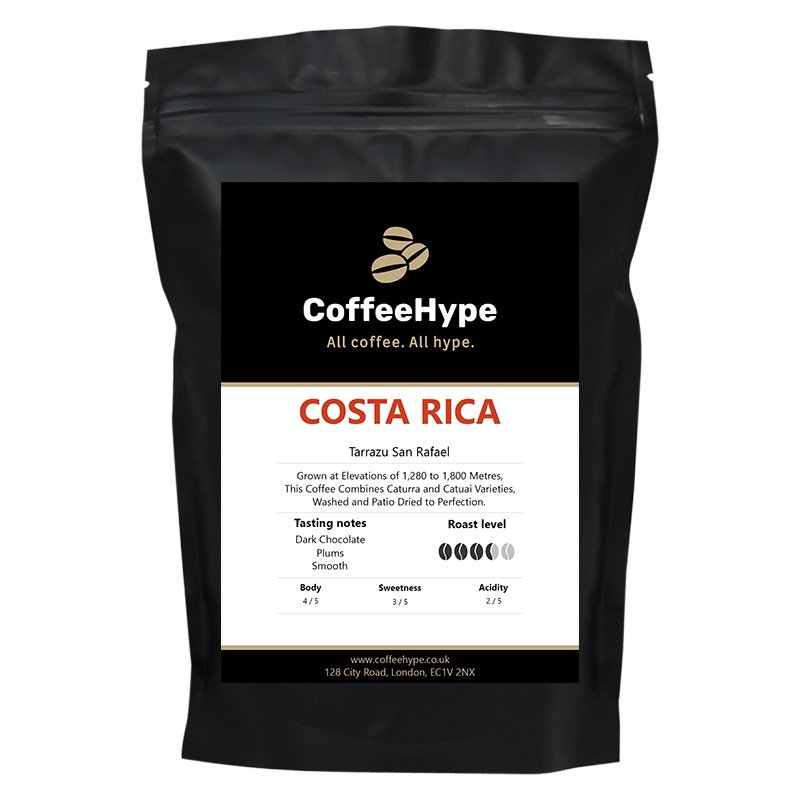
Costa Rica Tarrazu San Rafael Coffee
From: £9.99 — or subscribe to save 10% -
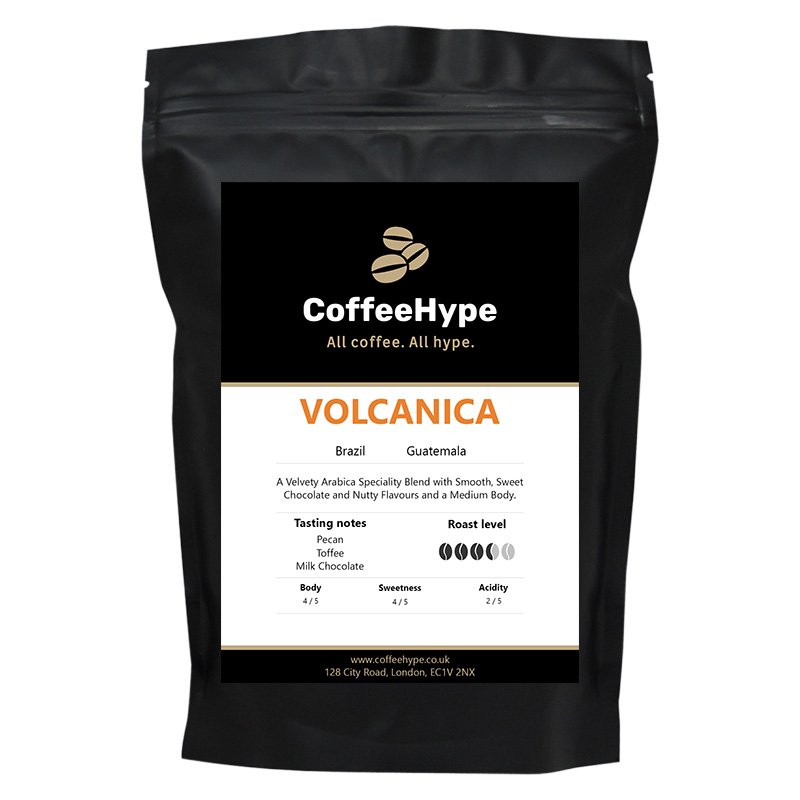
Volcanica Coffee Blend
From: £9.99 — or subscribe to save 10%
2026