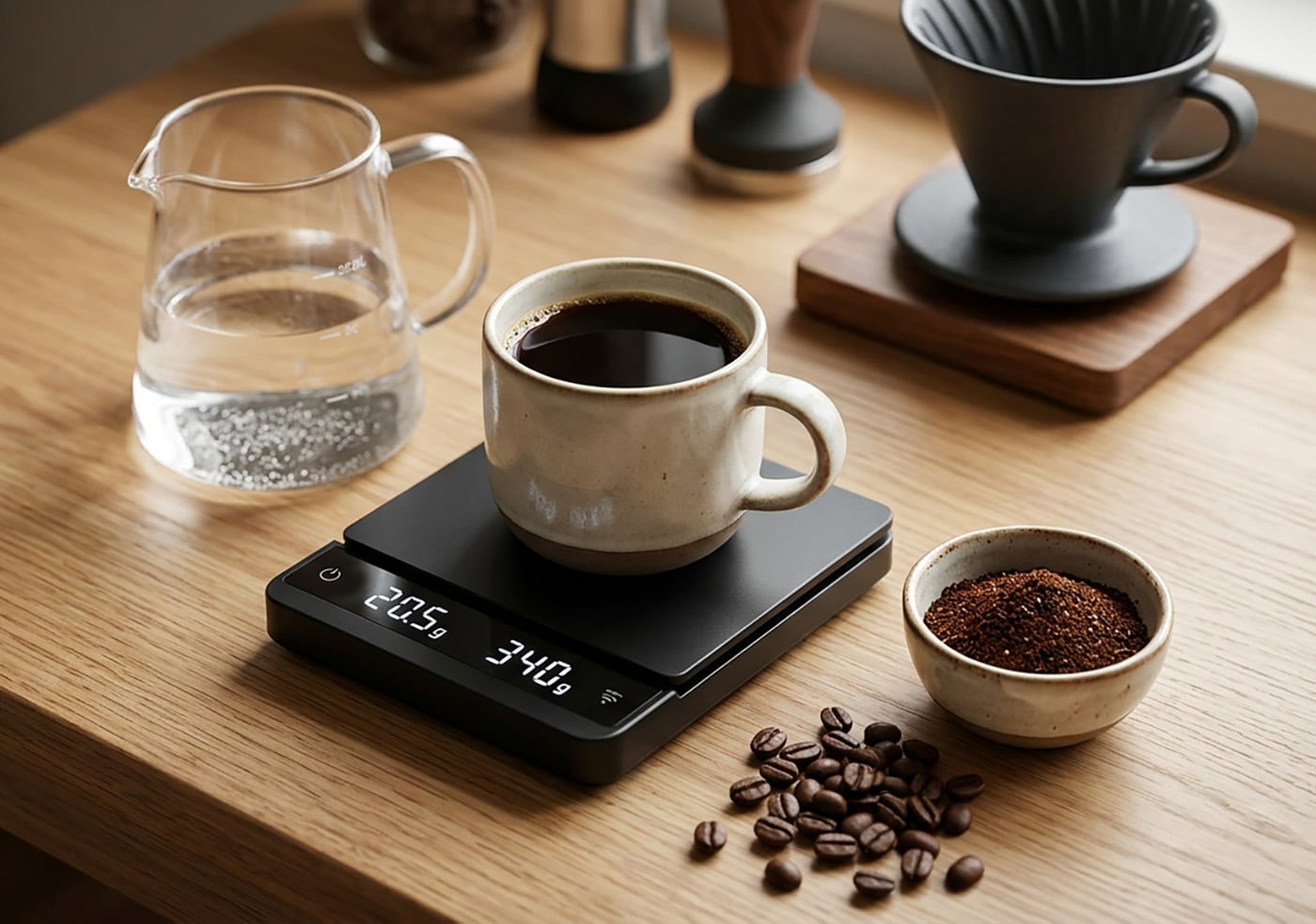
Finding the right coffee to water ratio is one of the easiest ways to improve your coffee at home. Too little coffee can leave your brew tasting weak, while too much can create an overpowering cup.
The ideal coffee to water ratio depends on your brewing method, the beans you’re using and how strong you like your coffee. However, a ratio of 1:16 is an excellent starting point for most filter coffee.
This means using one gram of ground coffee for every 16 grams of water. Once you understand the basics, you can adjust the ratio to find the perfect balance for your taste.
The right coffee to water ratio also helps you achieve consistent results each time you brew, making it easier to recreate a cup you enjoy.
Coffee to Water Ratio Chart
Use this simple chart to measure your coffee accurately. The amounts are based on a 1:16 ratio, suitable for many everyday filter brewing methods.
| Water | Ground coffee |
|---|---|
| 250ml | 16g |
| 300ml | 19g |
| 500ml | 31g |
| 750ml | 47g |
| 1 litre | 63g |
These measurements are approximate, so weighing your coffee and water will give you more consistent results. A digital scale is particularly useful if you want to repeat your favourite recipe.
Read our guide to coffee scales to learn more about measuring coffee accurately.
Coffee to Water Ratio Calculator
You can calculate how much coffee you need using a simple formula:
Coffee required = water weight ÷ ratio number
For example, if you’re using 320g of water and want a 1:16 coffee to water ratio, divide 320 by 16. You’ll need 20g of ground coffee.
Here are a few quick examples using different ratios:
| Water | 1:15 ratio | 1:16 ratio | 1:17 ratio |
|---|---|---|---|
| 250g | 17g | 16g | 15g |
| 300g | 20g | 19g | 18g |
| 500g | 33g | 31g | 29g |
| 1,000g | 67g | 63g | 59g |
A lower ratio number means a more concentrated brew, while a higher number means a less concentrated one. These calculations give you a starting point, but your preferred coffee to water ratio will depend on the flavour you enjoy.
The Best Coffee to Water Ratio for Different Brewing Methods
Although each brewing method has its own requirements, choosing an appropriate coffee to water ratio gives you a reliable starting point for experimenting with flavour and strength.
Pour-Over Coffee
For pour-over methods such as the V60 and Chemex, a ratio between 1:15 and 1:17 is a good starting point.
For example, 20g of coffee with 320g of water produces a 1:16 ratio. This can deliver a balanced cup while allowing the characteristics of your beans to shine through.
If your coffee tastes too strong, try using slightly more water. If it tastes weak, increase the amount of coffee or adjust your grind size.
Learn more in our guides to making V60 coffee and making Chemex coffee.
Cafetière Coffee
A cafetière, also known as a French press, generally works well with a ratio between 1:15 and 1:16.
For a 500ml cafetière, start with around 31–33g of ground coffee. A coarse grind is usually best, helping to produce a full-bodied cup without excessive sediment.
If your coffee tastes too intense, try increasing the water slightly or reducing the coffee dose. Keeping your coffee to water ratio consistent while adjusting one variable at a time makes it easier to find the flavour you prefer.
For more advice, read our guide on how to make cafetière coffee.
AeroPress Coffee
The AeroPress is versatile, so you can experiment with different ratios depending on your preferred strength and brewing technique.
A ratio between 1:12 and 1:16 is a useful starting point. For example, 16g of coffee with 240g of water gives you a 1:15 ratio.
Some AeroPress recipes use a stronger concentrate that is diluted after brewing, so don’t be afraid to experiment with your coffee to water ratio.
Follow our AeroPress coffee guide for more brewing tips.
Filter Coffee Machines
For most filter coffee machines, a ratio of 1:15 to 1:17 is a good place to start.
If you’re making 500ml of coffee, try using approximately 30–33g of ground coffee. Adjust the measurements depending on whether you prefer a stronger or lighter cup.
Remember that the cup markings on some machines don’t always correspond to standard measurements in millilitres. Weighing your ingredients is a reliable way to maintain the same coffee to water ratio each time.
Cold Brew Coffee
Cold brew is often prepared as a concentrate, using a stronger ratio than hot filter coffee. A ratio between 1:5 and 1:8 is a useful starting point.
For example, 100g of coffee with 600g of water creates a 1:6 ratio. After steeping and filtering, you can dilute the concentrate with water or milk to suit your taste.
If you prefer ready-to-drink cold brew, you can use a weaker ratio from the outset.
Try our cold brew coffee recipes for more inspiration.
Espresso
Espresso uses a different measurement because the coffee is extracted under pressure. A common starting point is a 1:2 brew ratio, meaning 18g of ground coffee produces approximately 36g of espresso.
This isn’t a strict rule. Different beans, roast levels and espresso machines can produce better results with different ratios.
Adjusting the yield can help you balance sweetness, acidity and bitterness. You can also learn more in our guide to making espresso.
How to Adjust Your Coffee to Water Ratio
When adjusting your coffee to water ratio, make small changes and taste the results before settling on your preferred measurements.
- For stronger coffee: Try a 1:15 ratio instead of 1:16.
- For a lighter cup: Try a 1:17 ratio.
- For less bitterness: Consider whether your grind is too fine or your brewing time is too long, rather than changing the ratio alone.
- For more balanced flavour: Change one variable at a time so you can identify what improves your brew.
Your coffee beans also make a difference. Roast level affects flavour, so you may find that different beans need slightly different adjustments. Our coffee roast levels guide explains the differences.
Explore our coffee collection to discover coffee beans for your next brew.
Why Coffee Scales Matter
Measuring coffee by eye or using a scoop can produce inconsistent results because different beans and grind sizes have different densities.
A digital scale lets you weigh both coffee and water accurately, making it easier to repeat a recipe once you find a ratio you like. This is particularly helpful when you’re experimenting with the ideal coffee to water ratio for different brewing methods.
You don’t need an expensive professional scale to get started. A reliable digital scale that measures in one-gram increments is enough for most home brewing.
Common Coffee Ratio Mistakes
Even with the right coffee to water ratio, a few mistakes can affect the final result.
- Guessing your measurements: Weighing your coffee and water gives you more consistent results.
- Ignoring grind size: A grind that’s too fine or too coarse can affect extraction. See our coffee grind size guide.
- Changing everything at once: Adjust your ratio, grind size or brewing time individually to understand the effect.
- Assuming stronger is always better: A more concentrated brew isn’t necessarily more enjoyable. Aim for balance rather than strength alone.
For additional information about specialty coffee and brewing, visit the Specialty Coffee Association. You can also explore Barista Hustle for educational resources on coffee extraction and brewing techniques.
Final Thoughts
Finding the right coffee to water ratio doesn’t need to be complicated. Start with 1:16 for filter coffee, measure your ingredients accurately and make small adjustments until you find the flavour you prefer.
Once you’ve found your ideal coffee to water ratio, keep a note of your measurements so you can recreate your favourite brew whenever you like.
Different brewing methods require different approaches, but the same principle applies: consistency helps you understand what works best for your coffee.
With a little experimentation, you’ll be able to make better, more consistent coffee at home.
Best Selling Products
-
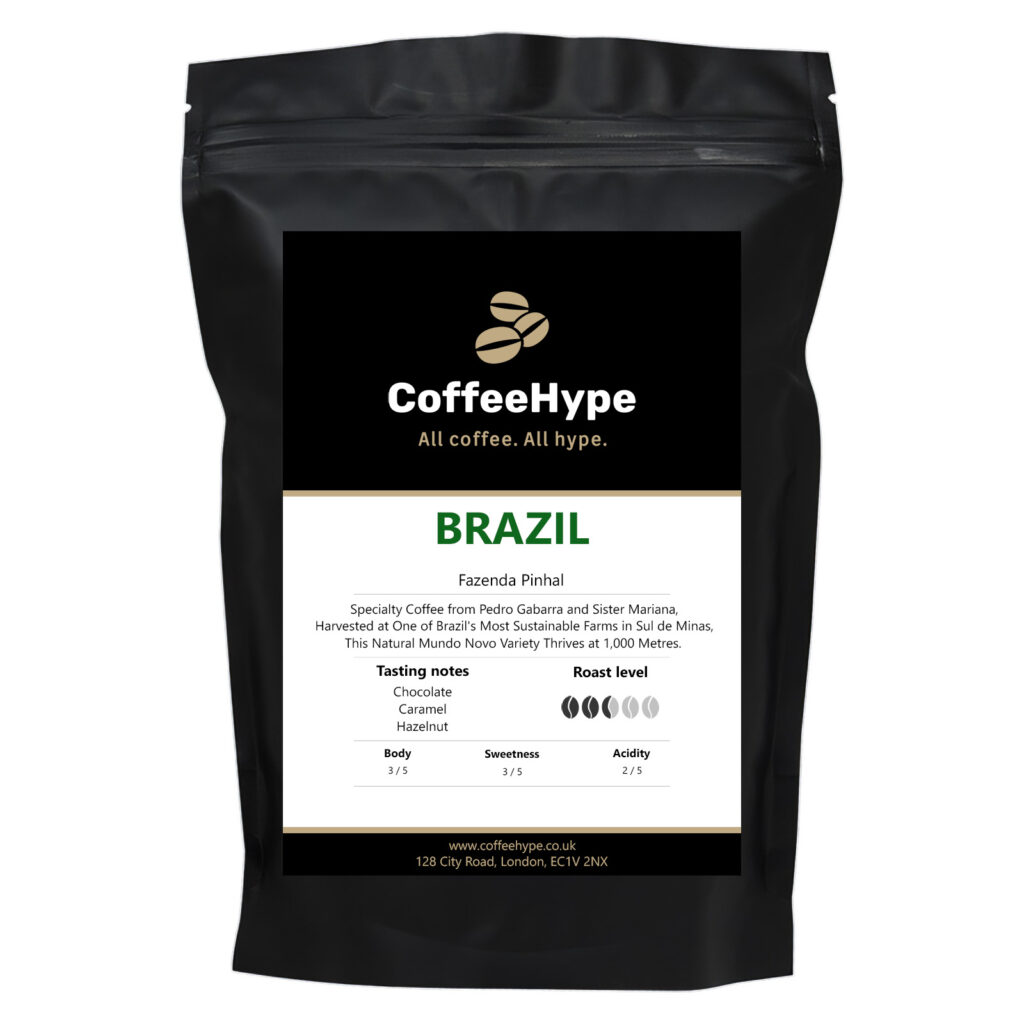
Brazil Fazenda Pinhal Coffee
From: £9.99 — or subscribe to save 10% -
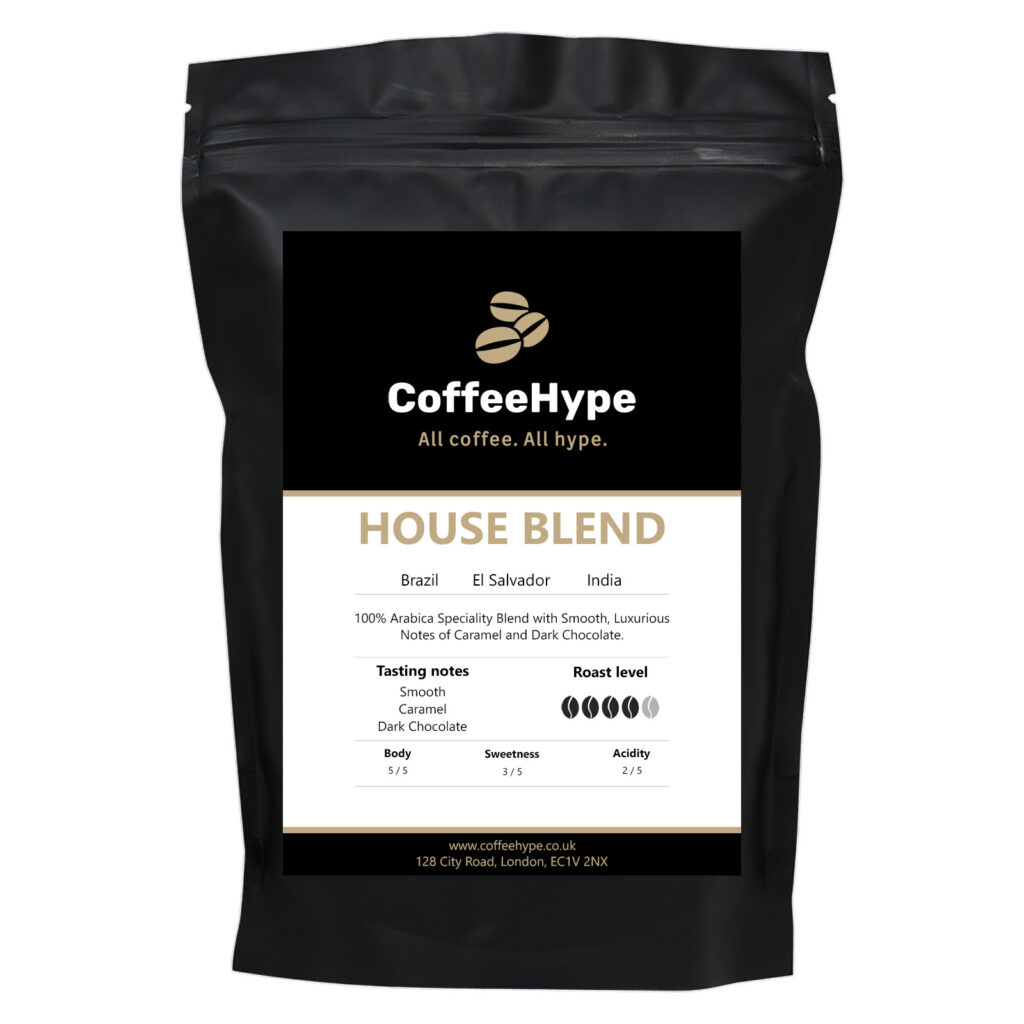
House Blend Coffee
From: £9.99 — or subscribe to save 10% -
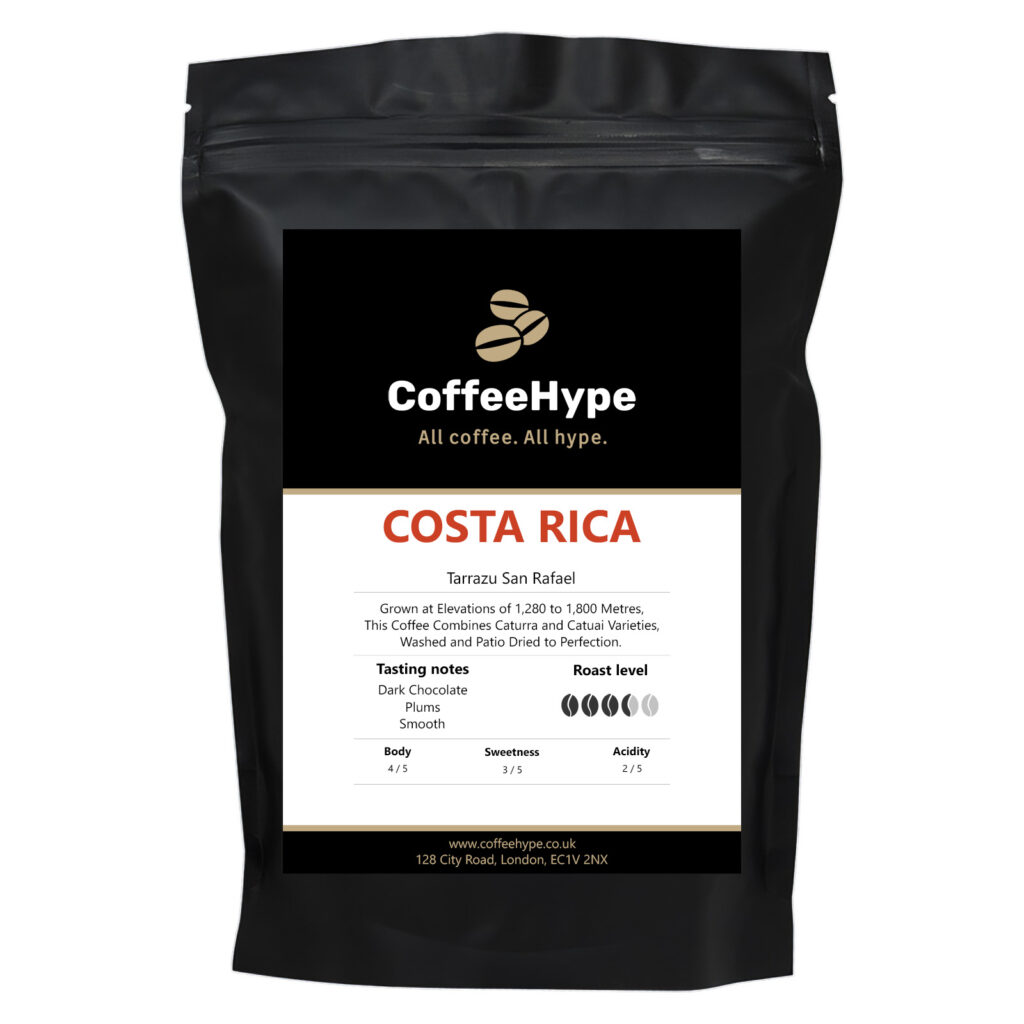
Costa Rica Tarrazu San Rafael Coffee
From: £9.99 — or subscribe to save 10% -
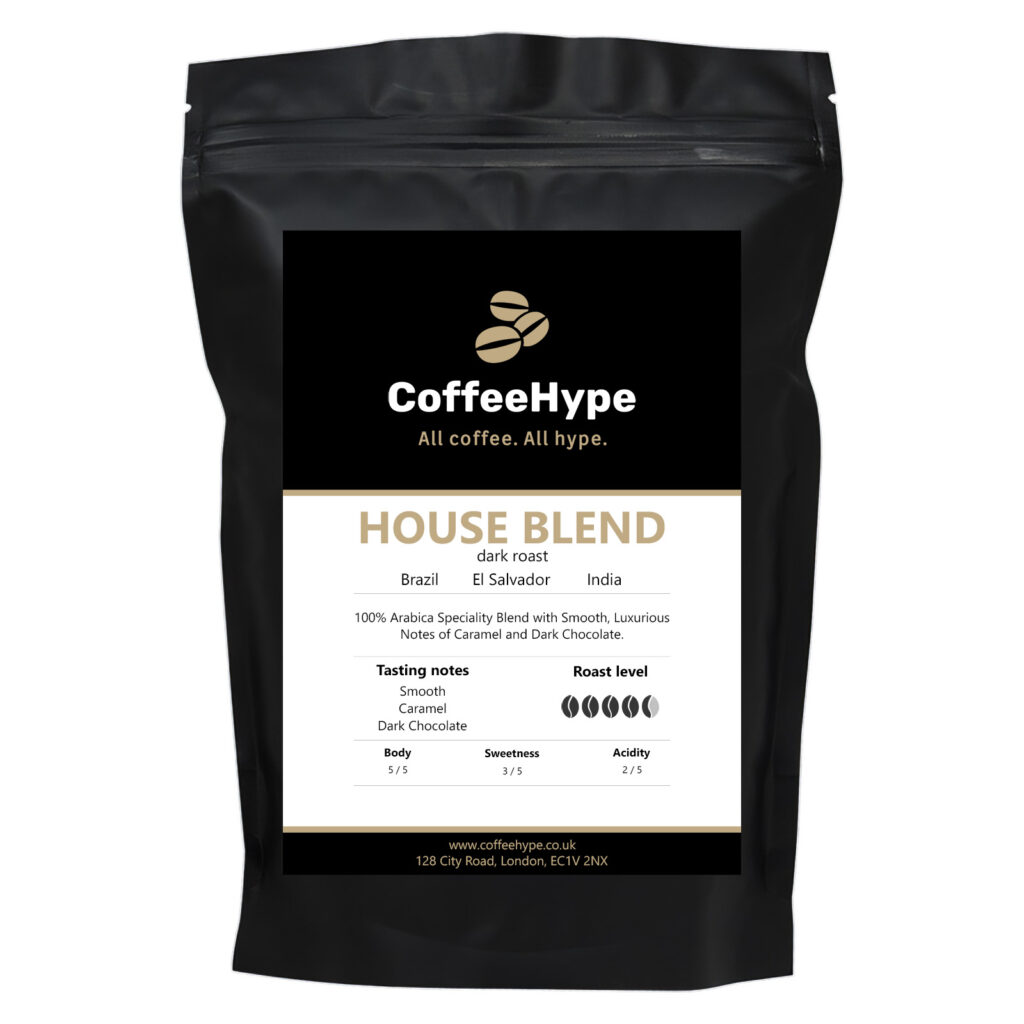
House Blend Dark Roast Coffee
From: £9.99 — or subscribe to save 10%
2026