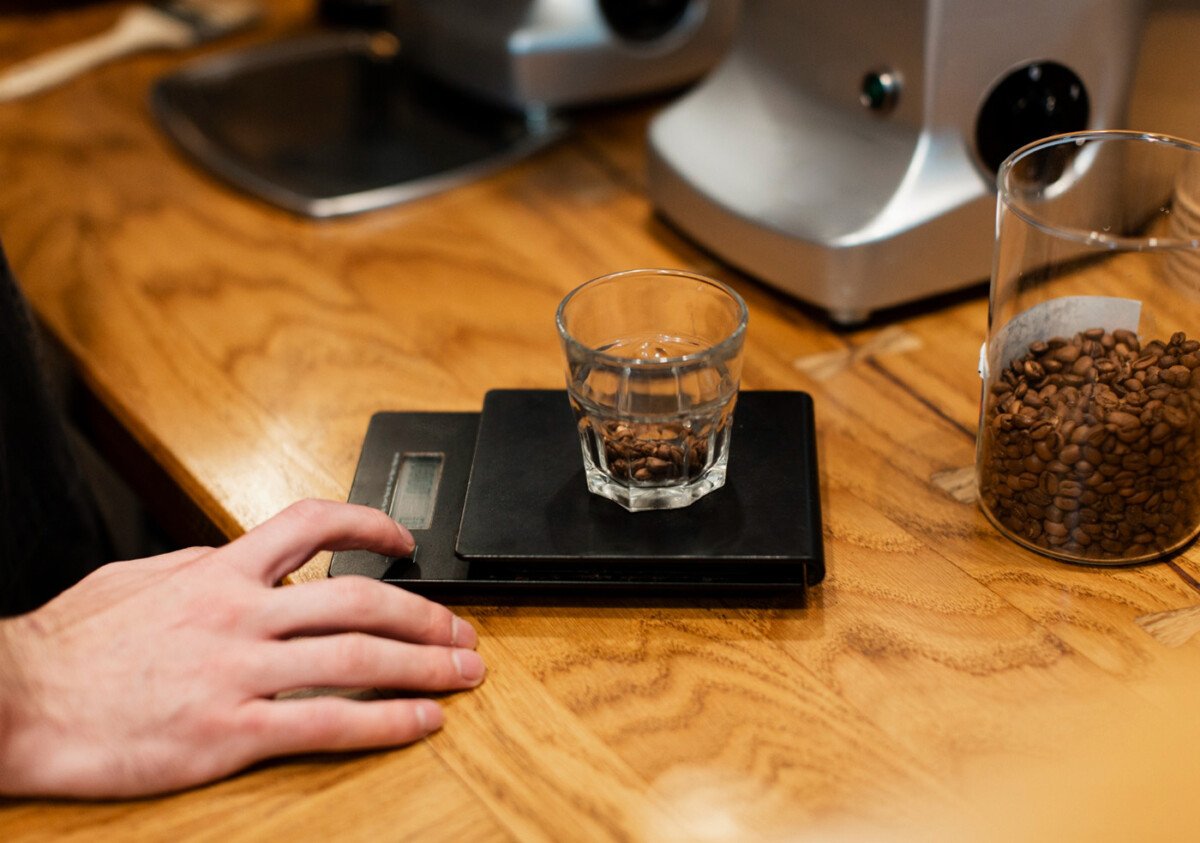
Coffee scales are one of the simplest ways to make brewing more consistent. They let you measure your coffee and water rather than relying on scoops, guesswork or markings on a jug.
But once you’ve added a good set of coffee scales to your kitchen, they don’t have to sit unused between brews.
Their compact size, tare function and ability to measure relatively small quantities make them useful for everything from baking and cooking to tea and craft projects.
Here are 10 practical uses that go beyond making coffee.
What are coffee scales?
Coffee scales are digital weighing scales designed with coffee preparation in mind.
Depending on the model, common features include:
- Fine weight increments
- Built-in brewing timer
- Tare function
- Compact dimensions
- Rechargeable or battery operation
- Water-resistant construction on some models
- Automatic brewing modes on more advanced models
Many specialist coffee scales display weight in 0.1g increments, although specifications vary between products.
The tare function is particularly useful. Place a cup, bowl or brewing vessel on the scale, press tare to return the display to zero and then measure only what you add.
If you’re putting together your own brewing setup, browse our coffee scales collection.
Why use coffee scales for brewing?
Before looking at alternative uses, it’s worth remembering why weighing is useful for coffee in the first place.
Coffee scales allow you to record the amount of coffee and water used in a recipe.
For example, if you make a V60 you particularly enjoy, recording the dose, water quantity and brewing time gives you a starting point for reproducing it.
It also makes experimentation easier.
Change one variable while keeping the others consistent and you can better understand how that adjustment affects the finished drink.
Our V60 brewing guide is a good example of a brewing method where weighing your coffee and water can be particularly useful.
1. Baking ingredients
One of the most obvious alternative uses for coffee scales is baking.
Recipes written by weight allow you to measure ingredients directly rather than relying on cups or spoons.
Depending on the capacity and resolution of your scale, you may be able to weigh ingredients such as:
- Flour
- Sugar
- Butter
- Chocolate
- Nuts
- Dried fruit
The tare function is particularly convenient.
Put your mixing bowl on the scales, tare it and add ingredients directly to the bowl.
Just remember to check the maximum capacity before placing a large mixing bowl and several kilograms of ingredients on a small scale designed primarily for coffee.
2. Cooking and recipe preparation
Coffee scales can also be useful during everyday cooking.
If a recipe specifies 100g of an ingredient, weighing it can be quicker and more repeatable than estimating by eye.
This works particularly well for ingredients such as:
- Rice
- Pasta
- Cheese
- Vegetables
- Flour
- Sugar
- Butter
Because coffee scales are often compact, they can also be convenient when you only need to weigh relatively small quantities.
3. Measuring food portions
If you need or choose to measure a food portion, a scale provides a straightforward way to do it.
Put the plate or bowl on the scale, use the tare function and add the food.
This can be useful when following a recipe or when packaging food into equal portions.
However, weighing food isn’t automatically a measure of whether a diet is balanced or appropriate. Nutritional requirements are individual, so the scale is simply a measuring tool.
4. Measuring pet food
Coffee scales can be surprisingly handy for measuring dry pet food.
Pet-food feeding instructions are often provided in grams, making a digital scale more accurate than estimating a portion with a cup or scoop.
Place the pet’s bowl on the scales, press tare and add the required quantity.
The appropriate amount depends on the animal and food, so follow the feeding guidance supplied by the manufacturer and any individual advice provided by your vet.
And, of course, give the scale a clean before putting it back underneath your favourite coffee brewer.
5. Brewing loose-leaf tea
The clue might be in the name, but coffee scales work perfectly well for measuring tea too.
Loose-leaf tea recipes can specify both leaf and water quantities.
Using scales allows you to record the ratio you enjoyed and reproduce it later.
If your scale has a timer, that’s useful for monitoring steeping time as well.
This makes tea one of the easiest ways to get more use from coffee scales without even leaving your drinks station.
6. Preparing other drinks
Plenty of drinks benefit from ingredients being measured consistently.
Depending on what you’re making, scales can help measure ingredients for:
- Smoothies
- Protein drinks
- Homemade syrups
- Cocktail ingredients
- Drink concentrates
Weight can also be convenient when you’re experimenting with a recipe and want to reproduce exactly what you made.
Just remember that grams and millilitres aren’t universally interchangeable because different liquids have different densities.
7. Dividing dough
If you bake bread, pizza or rolls, coffee scales can help divide dough into reasonably equal portions.
First weigh the complete batch.
Then divide the total by the number of portions you want and weigh each piece individually.
This is particularly useful for:
- Bread rolls
- Pizza dough balls
- Cookies
- Buns
A compact scale can be easier to keep beside your work surface than a larger set of kitchen scales.
Again, check its maximum weight capacity before using it for particularly large batches.
8. Arts and crafts
Coffee scales can be useful for certain craft projects where you want to compare or reproduce quantities.
They may help with materials such as:
- Clay
- Beads
- Wax
- Some paints
- Other non-hazardous craft materials
There is an important limitation, though.
Don’t assume a coffee scale has sufficient precision for every craft formula. If a product requires ingredients to be mixed at an exact ratio or specifies specialised measuring equipment, follow the manufacturer’s instructions.
Coffee scales are general weighing tools, not substitutes for equipment required for safety-critical formulations.
9. Sorting and weighing small objects
The relatively fine resolution of some coffee scales makes them useful for weighing small everyday objects.
You might use one for:
- Craft components
- Collections
- Small hardware
- Packaging contents
- Letters or lightweight parcels within the scale’s capacity
This can be particularly convenient if the item is too light for larger household scales to register clearly.
However, don’t use a coffee scale for commercial, medical or legal measurements where certified weighing equipment may be required.
10. Comparing coffee equipment and recipes
Our final alternative use stays within the world of coffee but goes beyond simply measuring a brewing recipe.
You can use coffee scales when experimenting with beans and equipment.
For example, you can:
- Compare the capacity of different scoops
- Check how much coffee your grinder retains
- Portion beans before grinding
- Divide a bag into smaller amounts
- Compare brewing recipes
- Measure coffee for storage containers
If you enjoy trying different methods, accurate weighing makes comparisons easier.
Try the same beans in an AeroPress, Chemex and cafetière and record the recipes you prefer.
What should you look for when buying coffee scales?
Not all coffee scales are identical.
The right model depends on the coffee you make and how else you plan to use it.
Resolution
Look at the smallest increment the scale displays.
A model displaying 0.1g increments provides finer readings than one displaying whole grams.
Be aware that resolution and accuracy aren’t exactly the same thing. A display showing more decimal places doesn’t by itself guarantee that every measurement is accurate to that amount.
The US National Institute of Standards and Technology explains this distinction in its guidance on accuracy, precision and resolution in weighing.
For normal home coffee preparation, what matters most is choosing a reputable scale with specifications appropriate for the quantities you’re measuring.
Maximum capacity
Check how much weight the scale can support.
Remember that the total includes both your brewing vessel and everything inside it.
A heavy server plus several hundred grams of water can quickly add up.
Tare function
Tare is one of the most useful features on coffee scales.
It allows you to place your cup or brewer on the platform and reset the displayed weight to zero before adding ingredients.
Timer
A built-in timer lets you monitor weight and brewing time from the same device.
That’s particularly useful for pour-over methods where both variables matter.
Size
Check that your preferred brewing equipment actually fits on the weighing platform.
Small scales can be excellent underneath an espresso cup but less convenient underneath a large cafetière.
Water resistance
Coffee and water inevitably end up in close proximity.
If you’re likely to use the scale underneath a pour-over brewer or espresso machine, some protection against spills can be worthwhile.
Check the manufacturer’s specification rather than assuming a digital scale is waterproof.
Display
A bright, easy-to-read display is particularly useful when a large brewer partially covers the scale.
Some models also provide additional features such as automatic timers, flow-rate displays or connected apps.
Whether you need those extras depends on how you brew.
Are coffee scales better than kitchen scales?
For coffee, often yes — but not necessarily for every other job.
Coffee scales are designed around the relatively small quantities and timing requirements involved in brewing.
A typical kitchen scale may offer:
- Greater maximum capacity
- A larger weighing platform
- Simpler controls
Coffee scales may offer:
- Finer weight increments
- A built-in timer
- A smaller footprint
- Brewing-specific functions
- Faster response to changing weight
If you already own good kitchen scales, you don’t necessarily need to replace them for baking or cooking.
The advantage is that your coffee scale may be able to handle plenty of smaller jobs when it’s already sitting on the worktop.
Can coffee scales measure liquids?
Coffee scales measure weight, not liquid volume.
That’s an important distinction.
Water is convenient because, under normal kitchen conditions, its mass and volume are sufficiently close that brewers commonly work with the practical approximation of 1g of water to roughly 1ml.
But you shouldn’t assume the same relationship applies to every liquid.
Milk, oils, syrups and other liquids have different densities.
When a recipe specifies grams, weigh it. When it specifically requires millilitres, use an appropriate volume measurement unless you know the required weight conversion.
How to look after coffee scales
A little care can help keep your scale working properly.
- Wipe spills promptly.
- Don’t exceed its maximum capacity.
- Avoid immersing it in water unless the manufacturer specifically says you can.
- Keep the weighing platform clean.
- Charge or replace batteries when required.
- Store it somewhere it won’t have heavy objects placed on top.
Always follow the manufacturer’s cleaning and maintenance instructions for your particular model.
Get more from your coffee scales
Coffee scales might be designed primarily for brewing, but they’re much more versatile than their name suggests.
They can help with baking, cooking, tea, portioning ingredients, measuring pet food and a range of small household tasks.
The key is understanding the limitations of your particular scale.
Check its resolution, maximum capacity and manufacturer’s instructions before using it for anything requiring particularly precise or safety-critical measurements.
For coffee itself, a good scale remains one of the easiest tools for making your brewing more repeatable.
Browse our coffee scales collection to find an option for your setup, explore our coffee equipment or pair your scales with a bag of freshly roasted coffee beans.
Best Selling Products
-

Brazil Fazenda Pinhal Coffee
From: £9.99 — or subscribe to save 10% -
House Blend Coffee
From: £9.99 — or subscribe to save 10% -
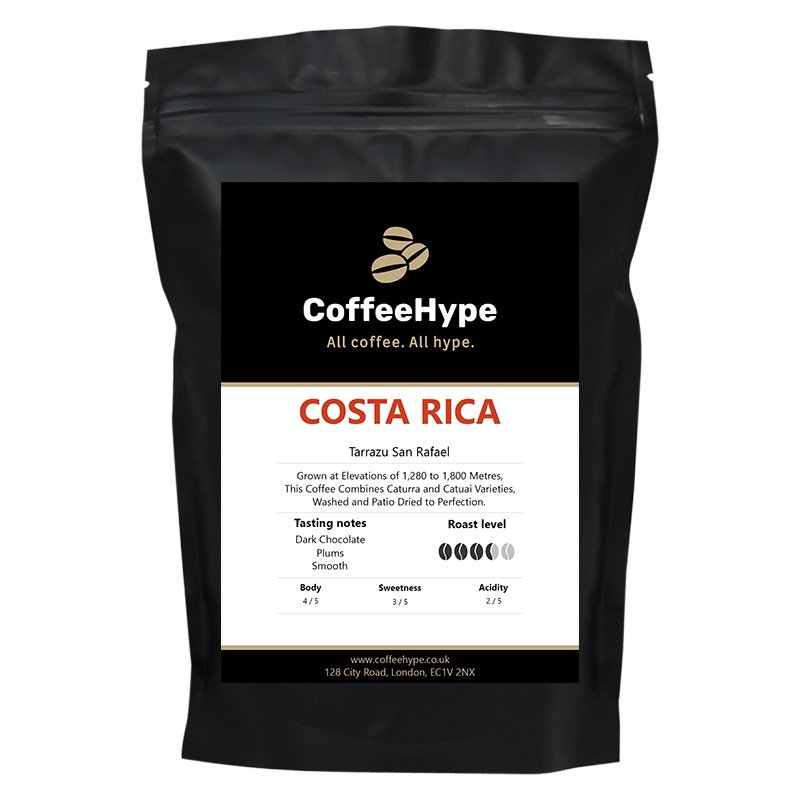
Costa Rica Tarrazu San Rafael Coffee
From: £9.99 — or subscribe to save 10% -
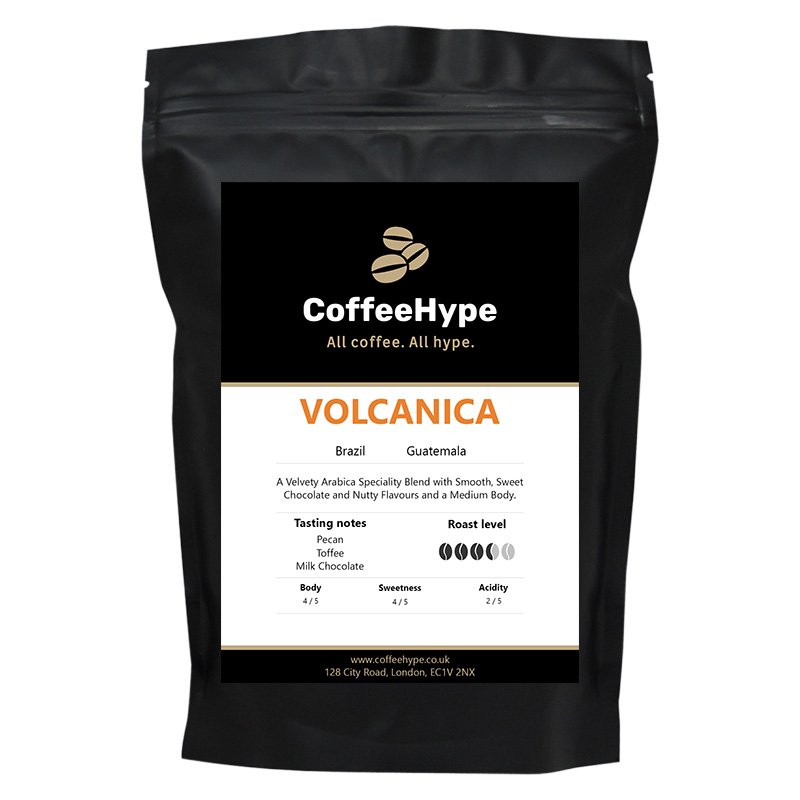
Volcanica Coffee Blend
From: £9.99 — or subscribe to save 10%


2025