When the temperature rises, the hot vs iced coffee debate becomes much more important.
Do you stick with the aroma and familiar flavour of freshly brewed hot coffee, or pour your favourite coffee over ice for something cooler and more refreshing?
The good news is that there isn’t really a wrong answer.
Hot vs iced coffee comes down to the flavours you enjoy, how you like to brew and, particularly during summer, whether you’d rather have something warming or chilled.
Let’s compare the two.
What’s the difference between hot and iced coffee?
The most obvious difference in the hot vs iced coffee comparison is temperature, but preparation can vary considerably too.
Hot coffee is brewed using hot water and served warm. It includes familiar methods such as:
- Espresso
- Cafetière
- V60
- Chemex
- AeroPress
- Stovetop coffee
Iced coffee is a broader term for coffee served cold and usually over ice.
It can be made by brewing coffee hot before chilling it, brewing directly over ice or using cold-brew extraction.
That’s an important distinction because iced coffee and cold brew aren’t necessarily the same thing.
Cold brew uses cool or room-temperature water and a long extraction time, whereas iced coffee can be brewed hot in minutes and then chilled.
Read our cold brew coffee guide if you’d like to try the slower method.
Hot vs iced coffee for flavour
Flavour is one of the biggest differences when comparing hot vs iced coffee.
Temperature affects how we perceive aroma and flavour, while the brewing method affects which compounds are extracted from the beans.
Hot coffee
On the hot side of the hot vs iced coffee debate, brewing can produce an aromatic and complex cup.
Depending on the beans, roast and brewing method, you might experience characteristics ranging from chocolate and caramel to citrus, berries, nuts or floral notes.
Hot coffee is particularly good when you want to appreciate the aroma of freshly brewed beans.
If you’re interested in how roast affects what ends up in your cup, read our guide to coffee roasts and their flavours.
Iced coffee
When comparing hot vs iced coffee, cooling the drink creates a noticeably different experience.
An iced coffee can taste crisp and refreshing, while sweetness, milk, syrups and other ingredients can be used to create completely different drinks.
Coffee brewed hot directly over ice can retain plenty of the brightness associated with hot extraction while providing a chilled drink.
Cold brew tends to produce another flavour profile again because the coffee is extracted at a much lower temperature over a longer period.
So the hot vs iced coffee flavour winner depends largely on the style you prefer.
Is cold brew less acidic than hot coffee?
You’ll often hear that cold brew is simply “less acidic” than hot coffee, but the reality is more complicated.
A study published in Scientific Reports compared hot and cold-brewed coffees made from the same coffees and brew ratios.
The researchers found that the pH values were comparable between the hot and cold brews they tested.
However, hot-brewed samples contained higher levels of total titratable acids.
You can read the research comparing the acidity and antioxidant activity of hot and cold-brewed coffee.
This helps explain why describing one brewing method as universally “more acidic” can be misleading.
Bean origin, roast, grind, brewing ratio and extraction method can all affect the finished cup.
Hot vs iced coffee for antioxidants
Another common hot vs iced coffee claim is that hot coffee is automatically healthier because it contains more antioxidants.
There is some interesting research behind the comparison, but it needs context.
The same Scientific Reports study found higher antioxidant activity in the hot-brew samples than the cold-brew samples it tested.
That tells us something about how brewing temperature can influence extraction.
It doesn’t mean every hot coffee contains the same amount of antioxidant compounds, nor does it prove that choosing hot coffee instead of iced coffee produces a particular health outcome.
The coffee itself, roast and brewing recipe all matter.
For most people choosing a summer drink, flavour and preference are likely to be much more practical considerations.
Which has more caffeine?
There isn’t a universal winner in the hot vs iced coffee caffeine comparison.
Caffeine content depends on factors including:
- Amount of ground coffee
- Coffee-to-water ratio
- Bean variety
- Brewing method
- Serving size
- Whether a concentrate is diluted
A cold-brew concentrate can contain plenty of caffeine, but it may subsequently be diluted with water, milk or ice.
An iced latte based on a double espresso will have a different caffeine content from a large glass of cold brew.
Likewise, a mug of filter coffee can contain a different amount from a single espresso.
So drink temperature alone doesn’t tell you how much caffeine you’re consuming.
Does hot coffee cool you down?
There’s an interesting idea that drinking a hot beverage on a warm day can make you cooler by increasing sweating.
The body’s response to drink temperature is more complicated than simply saying a hot drink will cool you down.
Research into thermoregulation has shown that beverage temperature can affect sweating and thermal responses, but the effect depends on factors including environmental conditions, exercise and whether sweat can evaporate effectively.
For everyday summer coffee drinking, there’s no need to choose hot coffee because you expect it to act as a cooling technique.
If your main aim is the sensation of a cold, refreshing drink, iced coffee is the more obvious choice.
Is iced coffee hydrating?
Coffee is mostly water, whether you drink it hot or cold.
An iced coffee also contains water from the coffee itself and, as the ice melts, additional water.
However, that doesn’t make iced coffee a replacement for drinking water when you need to stay hydrated, particularly during very hot weather.
It is better to think of your iced coffee as an enjoyable drink rather than a hydration strategy.
Best ways to make hot coffee in summer
If the hot vs iced coffee choice leaves you favouring a warm cup, there are plenty of brewing methods to choose from.
V60
A V60 is ideal if you enjoy a clean cup that allows the characteristics of the beans to stand out.
It can work particularly well with lighter and medium roasts.
AeroPress
The AeroPress is quick, compact and versatile.
It’s also useful because you can adapt recipes relatively easily if you decide you’d rather turn your coffee into an iced drink.
Cafetière
A cafetière produces a fuller-bodied cup and is one of the simplest ways to brew several servings at once.
Espresso
A freshly made espresso can be enjoyed on its own or form the base of drinks such as lattes, cappuccinos and iced coffees.
Best ways to make iced coffee
One advantage on the iced side of the hot vs iced coffee comparison is variety.
There are several different ways to make it.
Classic iced coffee
Brew coffee, allow it to cool and serve it over ice.
It’s simple and works with equipment you probably already own.
If possible, brew the coffee slightly stronger than usual because melting ice will dilute it.
Flash-brewed coffee
Flash brewing involves using hot water to extract the coffee while replacing some of the brewing water with ice.
The hot water handles the extraction and the ice rapidly cools the finished coffee.
It’s a great option when you enjoy the character of pour-over coffee but want to drink it cold.
Cold brew
Cold brew takes considerably longer.
Coarsely ground coffee is steeped in cool water for several hours before being filtered.
Our cold brew recipes provide some ideas once you’ve mastered the basic technique.
Iced latte
An iced latte combines espresso, cold milk and ice.
You can also use a dairy alternative. Our guide to the best milk alternatives for coffee covers some of the popular options.
Which coffee beans are best for iced coffee?
Whichever side of the hot vs iced coffee debate you prefer, there isn’t one roast or origin that you must use.
The best choice depends on the iced drink you’re making.
If you enjoy bright and fruity flavours, coffees from origins such as Ethiopia can be interesting when brewed over ice.
For iced coffee with milk, you may prefer beans with chocolate, nut or caramel characteristics that remain noticeable alongside the milk.
The most useful approach is to experiment.
Start with beans you already enjoy hot, make them cold and see how the drinking experience changes.
Our guide to choosing the best coffee beans can help if you’re looking for something new.
Does ice make coffee watery?
It can.
As ordinary ice cubes melt, they dilute your drink.
There are several easy ways to compensate:
- Brew the coffee a little stronger.
- Use plenty of ice so the drink chills quickly.
- Allow hot coffee to cool before adding it to ice.
- Adjust your brewing recipe when flash brewing.
- Freeze brewed coffee into ice cubes.
Coffee ice cubes are particularly useful because they add more coffee rather than plain water as they melt.
Can you make iced coffee with decaf?
Absolutely.
Iced coffee doesn’t need to contain lots of caffeine.
You can brew decaf using many of the same methods and serve it over ice.
This can be useful if you enjoy iced coffee later in the day but don’t necessarily want the caffeine of your usual beans.
Our guide to decaf coffee benefits explains more about decaffeinated coffee and how it’s produced.
Hot vs iced coffee: which is more convenient?
This depends on the brewing method.
Hot coffee can be extremely quick. Espresso, AeroPress and many filter methods can produce a drink in minutes.
Traditional cold brew requires planning because extraction takes hours.
But once you’ve prepared a batch, you can keep it refrigerated and pour a serving when you want one.
Regular iced coffee sits somewhere in between because you can brew it hot and cool it relatively quickly.
For a spontaneous drink, hot coffee or coffee brewed directly over ice will generally be quicker than starting a batch of cold brew.
Hot vs iced coffee with milk
Both work well with milk.
Hot milk changes the texture and temperature of drinks such as a latte, while cold milk keeps an iced coffee refreshing.
Milk can also soften stronger or more bitter characteristics in the coffee.
If you use syrups, iced lattes provide an easy base for experimenting with different flavours.
You could even try our blueberry iced latte for something different during summer.
Simple summer coffee tips
Whichever side of the hot vs iced coffee comparison you’re on, experimenting with hot vs iced coffee can make summer brewing more interesting.
Use freshly roasted beans and grind them close to brewing when possible.
For iced drinks, make coffee ice cubes if dilution is a problem.
Experiment with fruit, spices or a small amount of flavoured syrup rather than assuming an iced coffee has to be an iced latte.
And don’t forget cold brew can be prepared ahead of time, making it convenient when the weather forecast suddenly turns warm.
Hot vs iced coffee: the verdict
So, which wins the hot vs iced coffee debate?
For maximum aroma and the familiar experience of freshly brewed coffee, hot coffee remains difficult to beat.
For a cool and refreshing summer drink with plenty of room for experimentation, iced coffee has the advantage.
You don’t really need to choose one.
Enjoy a hot filter coffee with breakfast and switch to an iced coffee in the afternoon, or change your brewing method according to the weather.
That’s part of what makes coffee so versatile.
Whichever way you prefer it, start with good beans. Browse CoffeeHype’s freshly roasted coffee beans and experiment with hot and iced brewing to find your favourite summer cup.
Best Selling Products
-

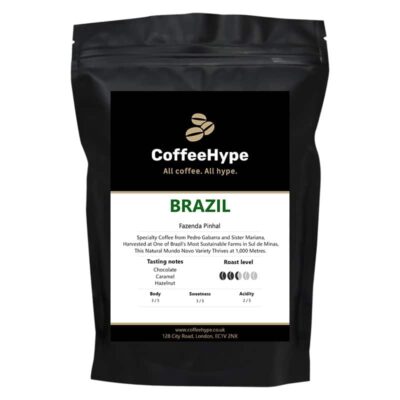
Brazil Fazenda Pinhal Coffee
From: £9.99 — or subscribe to save 10% -
House Blend Coffee
From: £9.99 — or subscribe to save 10% -
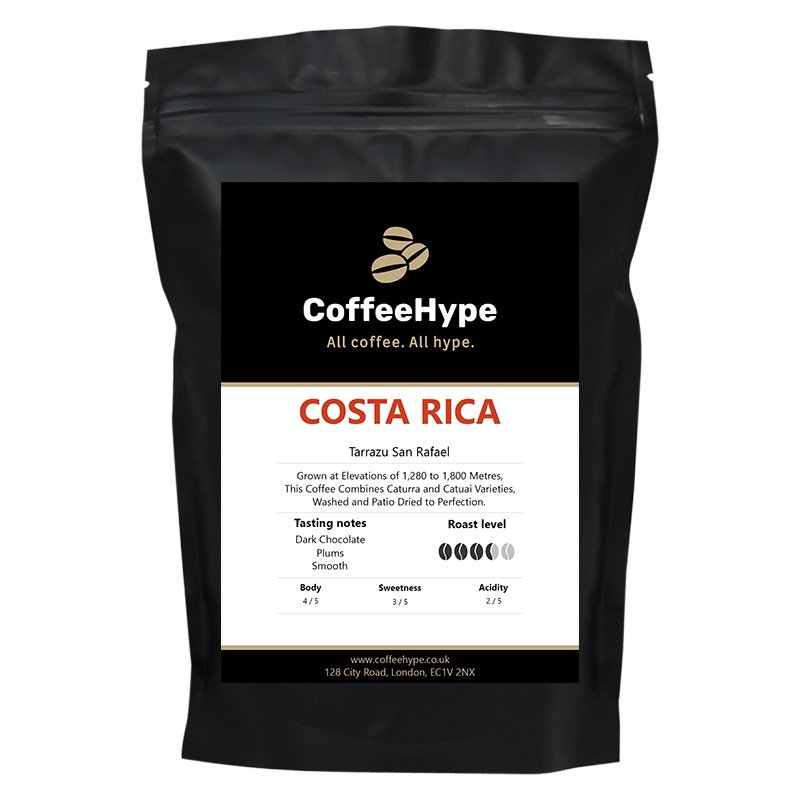
Costa Rica Tarrazu San Rafael Coffee
From: £9.99 — or subscribe to save 10% -
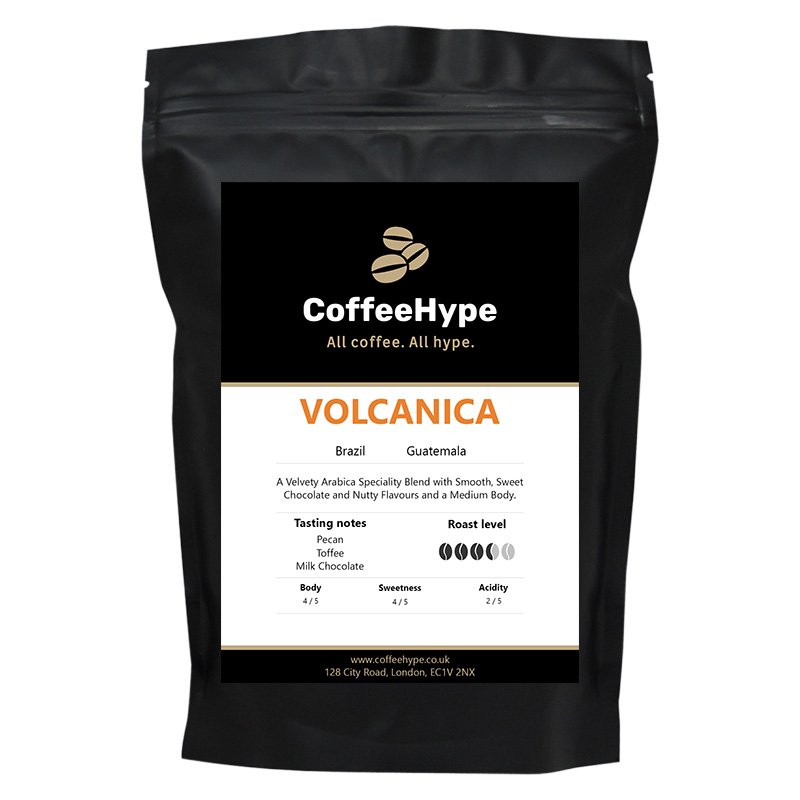
Volcanica Coffee Blend
From: £9.99 — or subscribe to save 10%


2025