
Coffee and wine have more in common than you might expect.
One begins with the fruit of a coffee plant and the other with grapes, yet both can produce an extraordinary range of aromas and flavours influenced by origin, variety, processing and the choices made by producers.
Enthusiasts also approach both drinks in similar ways. They discuss regions, tasting notes, acidity, body and even individual farms or estates.
Of course, coffee and wine are very different beverages. Coffee is brewed while wine is fermented, and only one contains alcohol. But comparing them provides an interesting way to understand why your morning coffee can taste completely different from one grown somewhere else.
Let’s explore where the similarities begin — and where they end.
Coffee and wine begin with fruit
It can be easy to forget that roasted coffee beans begin life inside a fruit.
Coffee plants produce cherries containing seeds that we eventually roast and call coffee beans.
Wine begins with grapes.
That means agriculture plays an enormous role in both products long before either reaches your kitchen or glass.
Climate, rainfall, altitude, soil, plant variety and farming decisions can all influence the raw material available to producers.
This is one reason coffee and wine are so strongly associated with particular parts of the world.
Coffee might take you to Ethiopia, Colombia or Brazil, while famous wine regions include Bordeaux, Rioja and Tuscany.
Origin doesn’t determine everything about flavour, but it provides part of the story.
Does coffee have terroir like wine?
Wine enthusiasts frequently use the French term terroir when discussing the relationship between a product and the environment in which it was grown.
Coffee discussions increasingly explore similar ideas.
Altitude, temperature, rainfall, soil and local growing conditions can all interact with coffee variety and farming practices.
However, it would be too simplistic to say that location alone determines what ends up in your cup.
Processing, roasting, storage, grinding and brewing all influence the final result.
The same is true when comparing coffee and wine: origin matters, but it’s one part of a much larger chain.
If you’d like to see how coffees differ between producing countries, explore our guides to Ethiopia, Colombia and Brazil.
Varieties matter
Not every coffee plant is identical, just as not every wine grape is the same.
Wine drinkers encounter names such as Cabernet Sauvignon, Pinot Noir, Chardonnay and Riesling.
Coffee has its own species and varieties.
Arabica is particularly important within speciality coffee, and within Coffea arabica you’ll encounter varieties including Typica, Bourbon and Gesha.
Different varieties can have different agronomic characteristics and flavour potential.
Our guide to Arabica coffee beans explains this side of coffee in more detail.
Understanding varieties is another area where coffee and wine enthusiasts can find familiar territory.
Processing can transform flavour
For both coffee and wine, growing the fruit is only the beginning.
Once coffee cherries are harvested, the seeds need to be processed and dried before they can be roasted.
Common approaches include washed and natural processing, alongside honey processing and a growing range of fermentation techniques.
These choices can have a noticeable effect on the finished coffee.
Winemaking also involves numerous decisions after harvesting, from fermentation to maturation.
The techniques aren’t directly equivalent, but the broader principle is similar.
Coffee and wine both demonstrate how agricultural ingredients can be transformed by processing decisions before reaching the consumer.
A world of tasting notes
This is perhaps the most obvious similarity.
Read the description of a speciality coffee and you may see references to chocolate, berries, citrus, nuts, caramel or flowers.
Wine descriptions use an equally broad vocabulary.
Importantly, tasting notes don’t usually mean those ingredients have literally been added.
A coffee described as having blueberry characteristics doesn’t normally contain blueberries, just as a wine with notes of blackberry hasn’t necessarily been flavoured with blackberries.
These descriptions help communicate sensory impressions.
When tasting coffee and wine, you don’t need to identify every flavour somebody else has written on a label.
Your own perception is what matters.
Acidity isn’t necessarily a bad thing
The word “acidic” can sound negative when you’re talking about drinks.
In tasting, however, acidity can contribute brightness, freshness and structure.
Different coffees can present acidity in different ways. You might perceive something reminiscent of citrus, apple or other fruit.
Acidity also plays an important role in wine.
That doesn’t mean coffee acidity and wine acidity should be treated as exactly the same thing, but both demonstrate why acidity isn’t automatically a flaw.
Balance matters.
A lively acidity might be enjoyable when supported by sweetness and other flavours, while excessive sourness in brewed coffee could indicate a problem with extraction.
Comparing coffee and wine can therefore help explain why tasting vocabulary sometimes sounds very different from ordinary descriptions of food and drink.
Body and mouthfeel
Flavour isn’t the only thing you experience.
Texture matters too.
Coffee can feel light and tea-like or comparatively rich and full-bodied depending on the beans and brewing method.
A V60 with a paper filter can produce a relatively clean cup, while a cafetiere allows more oils and fine particles into the drink.
Wine enthusiasts similarly discuss body and texture.
This makes mouthfeel another useful connection between coffee and wine tasting.
Sometimes what you enjoy about a drink isn’t one identifiable flavour at all — it’s the way the whole thing feels and develops on your palate.
How to taste coffee more carefully
You don’t need professional equipment or an expert palate.
Start by drinking without immediately adding milk or sugar.
Smell the freshly ground coffee, then notice the aroma after brewing.
Take a sip and think broadly before searching for specific flavours.
Is it sweet?
Fruity?
Nutty?
Chocolatey?
Floral?
Does it feel light or heavy?
What happens as it cools?
Speciality coffee professionals use a more structured process known as cupping to evaluate coffee. The Specialty Coffee Association provides education and standards used throughout the speciality coffee industry.
But at home, tasting is about developing your own understanding rather than passing a test.
The more coffees you compare, the easier differences become to recognise.
Roast level changes the experience
This is one area where the comparison becomes less direct.
Coffee undergoes roasting before brewing.
Roasting causes major chemical and physical changes that create many of the aromas and flavours associated with coffee.
A lighter roast can retain more recognisable origin and processing characteristics, while darker roasting shifts the balance towards flavours produced during the roast itself.
That’s why roast level matters so much when comparing coffees.
Our guide to coffee roast levels explains the differences between light, medium and dark roasting.
For anyone exploring coffee and wine as tasting experiences, understanding how production affects flavour is just as useful as knowing where the ingredients were grown.
Coffee and food pairing
Wine has a long-established association with food pairing, but coffee can be paired with food too.
The principle doesn’t need to become overly complicated.
Look for flavours that either complement or contrast with each other.
A chocolatey coffee can work naturally with chocolate desserts.
Coffee with fruit characteristics might pair nicely with a fruit-based cake or pastry.
A fuller, darker coffee can stand up to richer foods, while a more delicate coffee may work better with something lighter.
We’ve explored this in more depth in our guide to coffee accompaniments.
And if chocolate is your weakness, see our dedicated guide to coffee and chocolate.
Food pairing is another enjoyable way to explore coffee and wine without believing there must be one objectively “correct” combination.
Can coffee be aged like wine?
This is where an important difference appears.
Consumers often hear that wine improves with age, although that’s not true of every wine.
Roasted coffee is different.
You generally aren’t buying roasted beans with the intention of storing them for years so they improve in the bag.
Coffee changes after roasting and gradually loses desirable volatile aromas over time.
There can be a useful resting period after roasting as the coffee releases carbon dioxide, but that shouldn’t be confused with ageing a bottle of wine.
Proper storage helps protect your coffee from oxygen, moisture, heat and light.
Our guide on how to store coffee explains the best approach.
This distinction is important when discussing coffee and wine because not every concept transfers neatly from one drink to the other.
Both reward curiosity
Perhaps the biggest similarity between coffee and wine has nothing to do with chemistry.
Both reward people who are curious.
You can enjoy coffee without knowing the farm, variety, altitude or processing method.
You can also spend years learning about those things if they interest you.
The same applies to wine.
There is always another region, producer, variety or flavour to explore.
Coffee and wine can be appreciated casually or studied in extraordinary depth.
Neither approach is wrong.
Explore different coffees for yourself
The easiest way to understand these comparisons is to taste different coffees.
Try two origins side by side.
Compare a light roast with a darker one.
Prepare the same coffee using different brewing methods and see what changes.
Our guide on choosing the best coffee beans can help you understand origin, roast, processing and brewing when selecting your next bag.
You can also browse CoffeeHype’s freshly roasted coffee collection to explore different flavour profiles and origins.
Like learning about wine, developing an appreciation for coffee doesn’t require memorising tasting terminology.
Pay attention to what you enjoy and gradually discover why you enjoy it.
That’s ultimately what makes coffee and wine so fascinating: two very different drinks with almost endless opportunities to taste, compare and explore.
Best Selling Products
-

Brazil Fazenda Pinhal Coffee
From: £9.99 — or subscribe to save 10% -
House Blend Coffee
From: £9.99 — or subscribe to save 10% -
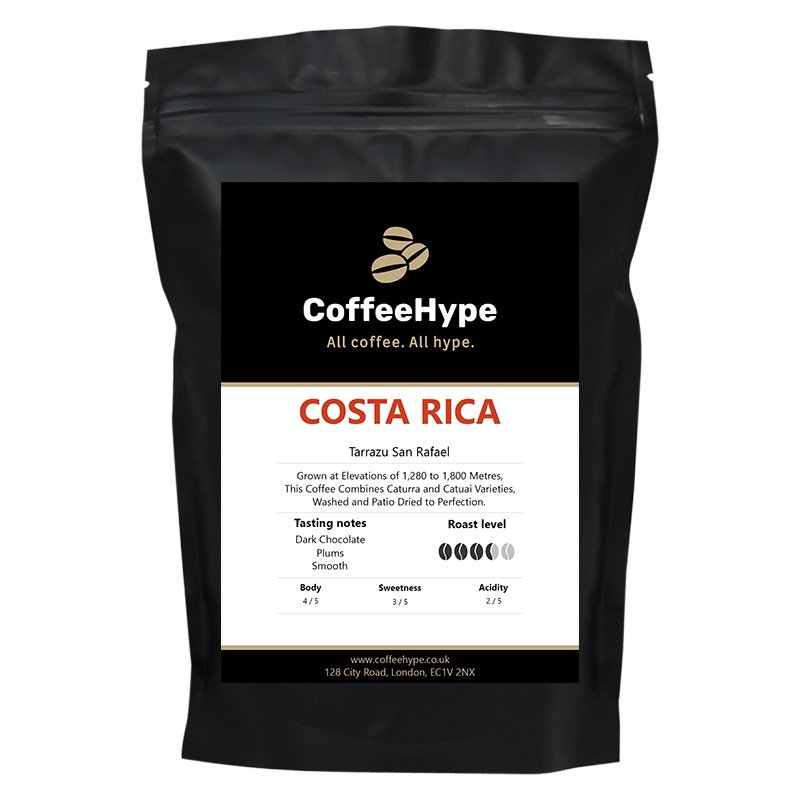
Costa Rica Tarrazu San Rafael Coffee
From: £9.99 — or subscribe to save 10% -
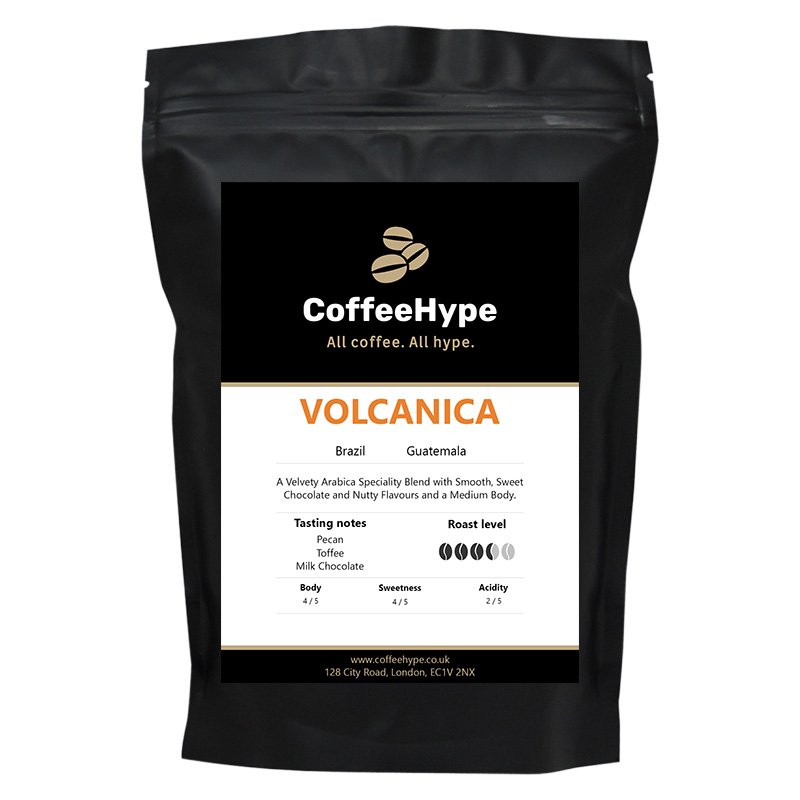
Volcanica Coffee Blend
From: £9.99 — or subscribe to save 10%


2023