Coffee and chocolate have plenty in common.
Both can deliver everything from fruity and floral characteristics to caramel, nuts, spice and deep roasted flavours. Put the right coffee and chocolate together and those characteristics can complement, contrast or intensify one another.
And there’s much more to the combination than a classic mocha.
You can pair different chocolates with freshly brewed coffee, add espresso to baking, infuse cold brew with cacao nibs or turn the combination into everything from truffles to cocktails.
Here are 10 delicious coffee and chocolate ideas to try at home, plus some tips for finding combinations that work.
Why do coffee and chocolate work so well together?
Coffee and cacao are very different plants, but processing and roasting can create some overlapping sensory characteristics.
Roasting produces complex chemical reactions that contribute to the aromas and flavours we associate with both products.
Depending on the coffee and chocolate, you might encounter characteristics reminiscent of:
- Caramel
- Nuts
- Berries
- Citrus
- Vanilla
- Spice
- Toasted flavours
- Floral notes
Coffee also brings bitterness and acidity, while chocolate can introduce sweetness, bitterness, creaminess and its own distinctive cacao characteristics.
That gives you plenty of opportunities to create either complementary or contrasting combinations.
The Specialty Coffee Association Coffee Taster’s Flavor Wheel is a useful reference for understanding the enormous range of flavours and aromas that can be found in coffee.
How to pair coffee and chocolate
Before getting into the recipes, it’s worth understanding a few basic pairing principles.
There isn’t one objectively perfect combination.
The easiest approach is to consider the intensity and dominant flavours of each.
Dark chocolate
Dark chocolate can have an intense cacao flavour and noticeable bitterness.
It often works well with medium or darker-roasted coffees offering chocolate, nut, caramel or spice characteristics.
However, a fruitier coffee can create an interesting contrast.
Milk chocolate
Milk chocolate tends to be sweeter and creamier.
Try it alongside coffees with caramel, nutty or fruit characteristics.
A balanced medium roast can be a particularly approachable starting point.
White chocolate
White chocolate doesn’t contain cocoa solids in the same way as dark and milk chocolate, so its flavour is very different.
Its sweetness and creamy texture can pair nicely with coffees offering bright fruit or more pronounced acidity.
Flavoured chocolate
Chocolate containing orange, raspberry, mint, chilli, sea salt or nuts creates even more possibilities.
Look for similar or contrasting characteristics in your coffee.
Our guide to understanding coffee roasts and their flavours can help you choose a roast to experiment with.
1. Cold brew coffee with cacao nibs
Cold brew is an easy way to experiment with coffee and chocolate without making an especially sweet drink.
Add cacao nibs while steeping your cold brew and their chocolate character can infuse into the coffee.
Start with a relatively small amount so the cacao doesn’t dominate the beans.
Once brewed, filter the drink thoroughly and serve it over ice.
You could also add milk or a milk alternative if you prefer something creamier.
Cold brew is sometimes described as automatically being “less acidic” than hot coffee, but the science is more complicated. Research comparing hot and cold-brewed coffees has found similar pH values in tested samples, although differences were observed in total titratable acids.
Our cold brew coffee guide explains how to make the basic drink before you start experimenting.
2. Espresso chocolate brownies
Adding espresso to brownies is one of the easiest coffee and chocolate combinations to make at home.
Coffee can complement the roasted, bitter and sweet characteristics already present in chocolate.
Prepare your favourite brownie mixture and incorporate a small amount of strong espresso.
You don’t need enough coffee to turn the brownies into a coffee-flavoured dessert unless that’s what you’re aiming for.
For a stronger coffee character, make an espresso glaze using icing sugar and a small quantity of cooled espresso, then drizzle it over the brownies once they’ve cooled.
Fresh espresso works particularly well here.
If you’re still perfecting yours, follow our guide on how to make an espresso.
3. Coffee and chocolate truffles
Homemade truffles give you plenty of control over the balance between coffee and chocolate.
A basic chocolate ganache combines chocolate and cream.
You can introduce coffee by adding a small quantity of strong brewed espresso or instant espresso powder.
Once the ganache has chilled sufficiently to become firm, shape it into small truffles.
Finish them with:
- Cocoa powder
- Finely chopped nuts
- Chocolate shavings
- Desiccated coconut
- Crushed freeze-dried raspberries
If using brewed coffee, avoid adding too much liquid because it can alter the texture of the ganache.
A little can go a long way.
4. Mocha overnight oats
Coffee and chocolate don’t have to be reserved for dessert.
For mocha-inspired overnight oats, combine rolled oats with milk, cocoa powder and a small amount of cooled coffee.
You can also add Greek yoghurt for a creamier texture.
Sweeten to taste with honey, maple syrup or another preferred sweetener, then leave the mixture covered in the refrigerator overnight.
In the morning, add toppings such as:
- Banana
- Berries
- Chopped nuts
- Cacao nibs
- Dark chocolate shavings
If you’re sensitive to caffeine, remember that adding coffee turns your breakfast into another source of caffeine.
You could use decaf instead. Our guide to decaf coffee benefits explains more about decaffeinated coffee.
5. Spiced mocha hot chocolate
A mocha is probably the most famous coffee and chocolate combination.
But it’s easy to make it more interesting.
Prepare a hot chocolate using milk and your preferred chocolate or cocoa, then add freshly brewed espresso.
From there, experiment with spices.
Cinnamon is an obvious starting point, while nutmeg can add warmth.
For something more unusual, try a very small pinch of chilli or cayenne pepper.
The idea isn’t necessarily to make the drink hot and spicy. A subtle amount can create an interesting contrast with the sweetness of the chocolate.
You can also experiment with different beans.
A coffee with chocolate and nut characteristics will create a different mocha from one with brighter fruit notes.
6. Chocolate-covered coffee beans
Chocolate-covered coffee beans combine coffee and chocolate in perhaps their most literal form.
Roasted coffee beans are coated in chocolate and allowed to set, producing a crunchy snack with an intense coffee flavour.
Dark and milk chocolate are both popular choices.
You can also experiment with additional coatings before the chocolate completely sets.
Try:
- Sea salt
- Cocoa powder
- Finely chopped hazelnuts
- Freeze-dried raspberry
- Coconut
- Cinnamon
Remember that you’re eating whole roasted coffee beans, so they contain caffeine.
It’s therefore sensible to treat them as an occasional snack rather than absent-mindedly working through an entire bowl.
7. Coffee and chocolate ice cream float
For an easy dessert, combine coffee and chocolate with ice cream.
Place one or two scoops of chocolate ice cream into a glass and pour coffee over the top.
Espresso creates a more intense version similar in spirit to an affogato, while cooled coffee or cold brew produces a fully chilled dessert.
Add chocolate shavings or a dusting of cocoa if you want to finish it off.
You can also reverse the flavours.
Try vanilla ice cream with chocolate-flavoured coffee additions, or use coffee ice cream and add dark chocolate.
It’s an easy recipe to adapt according to whatever you have available.
8. Dark chocolate espresso martini
Coffee and chocolate work particularly well in an after-dinner cocktail.
Prepare an espresso martini using espresso, vodka and coffee liqueur, then introduce a small amount of chocolate syrup or chocolate liqueur depending on the flavour you’re after.
Shake everything thoroughly with ice and strain into a chilled glass.
The vigorous shaking helps create the characteristic foam on top.
Finish with a light dusting of cocoa or a few chocolate shavings.
Our espresso martini recipe gives you the basic recipe and technique before you start creating chocolate variations.
9. Mocha energy bites
If you’d rather make something you can keep in the fridge, mocha-inspired bites are another simple coffee and chocolate idea.
Combine ingredients such as:
- Dates
- Oats
- Almonds or other nuts
- Cocoa powder
- A small amount of espresso powder
- Nut butter
Process the mixture until it holds together, then roll it into small balls.
You can coat them in cocoa, coconut or cacao nibs.
These aren’t automatically an “energy food” simply because they contain coffee, so think of them primarily as a convenient homemade snack with mocha flavours.
And, again, remember that espresso powder contributes caffeine.
10. Coffee-soaked chocolate cake
For the final coffee and chocolate pairing, turn an ordinary chocolate cake into something richer with coffee syrup.
Prepare a simple syrup using coffee and sugar.
Once your chocolate cake has baked, allow it to cool slightly before carefully brushing or spooning a modest amount of syrup over it.
The aim is to add moisture and coffee flavour without making the cake soggy.
You can adjust the strength according to the cake.
A dark chocolate cake can handle a stronger coffee flavour, while a sweeter milk-chocolate cake might work better with something more subtle.
Finish with chocolate ganache for a particularly indulgent dessert.
Which coffee is best with dark chocolate?
Dark chocolate usually has a more intense flavour than milk chocolate, so it can stand alongside equally characterful coffees.
A medium or darker roast with chocolate, nutty, caramel or spice characteristics is an obvious combination.
But don’t overlook contrast.
Fruitier coffees can produce some fascinating coffee and chocolate pairings, particularly with high-cocoa dark chocolate.
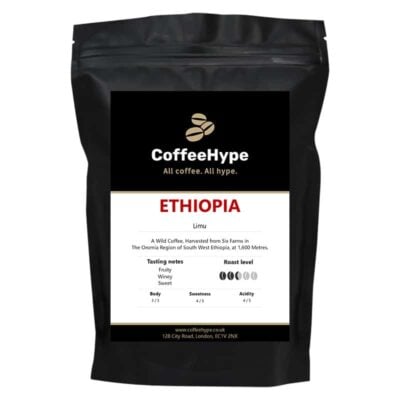
For example, a coffee from Ethiopia with berry or floral characteristics could provide a very different experience from a chocolatey Brazilian coffee.
Try both and see which approach you prefer.
Which coffee is best with milk chocolate?
The extra sweetness and creaminess of milk chocolate can work particularly well with balanced coffees.
Look for flavour characteristics such as:
- Caramel
- Hazelnut
- Almond
- Milk chocolate
- Red fruit
- Brown sugar
Medium-roasted coffee can be a good starting point because it can balance origin character with flavours developed during roasting.
But the individual beans matter more than simply choosing something labelled “medium”.
Check the tasting notes and experiment.
What about coffee and white chocolate?
White chocolate creates a completely different pairing.
Because it doesn’t contain cocoa solids like milk and dark chocolate, it lacks the same cacao flavour and bitterness.
Instead, sweetness, dairy characteristics and cocoa butter dominate.
That means brighter coffees can provide useful contrast.
Fruit-forward coffees may prevent the combination from becoming overwhelmingly sweet.
White chocolate can also work particularly well in flavoured lattes and mochas when combined with fruit or spice.
Does roast level matter?
Yes, but don’t choose coffee purely according to the words light, medium or dark.
A light roast may retain more characteristics associated with origin and processing.
As roasting progresses, flavours created during the roasting process generally become increasingly influential.
That can affect your coffee and chocolate pairing.
A bright light-roasted coffee might contrast with rich dark chocolate, while a darker roast could reinforce chocolate’s roasted and bitter characteristics.
Neither approach is inherently better.
Our coffee roast guide explains these differences in more detail.
Try pairing chocolate with different coffee origins
One of the best ways to explore coffee and chocolate is to keep the chocolate the same and change the coffee.
Coffee origin can produce dramatically different flavour experiences.
You could compare:
- Brazil coffee with milk or dark chocolate
- Colombia coffee with caramel or nutty chocolate
- Ethiopia coffee with berry-flavoured dark chocolate
- Kenya coffee with dark chocolate or fruit-based chocolate
These aren’t rigid pairing rules.
They’re starting points for experimenting with the characteristics already present in your coffee and chocolate.
How to host a coffee and chocolate tasting
You don’t need professional equipment to turn this into a tasting at home.
Choose two or three different coffees and several chocolates.
Try to include contrasting styles, such as milk chocolate, dark chocolate and something flavoured.
Taste the coffee first.
Then taste a small piece of chocolate and return to the coffee.
Pay attention to whether particular characteristics become more or less noticeable.
You might find a pairing enhances fruitiness, increases perceived sweetness or makes bitterness more prominent.
Make a note of your favourites.
If you’d like more ideas for experimenting with food, our guide to coffee accompaniments explores more foods you can enjoy alongside different brews.
Coffee and chocolate: find your perfect pairing
The best thing about coffee and chocolate is how much room there is to experiment.
You can keep things simple with a square of chocolate beside your morning coffee or turn the combination into brownies, truffles, mocha drinks, cakes and cocktails.
Try different roast levels.
Compare origins.
Switch between milk and dark chocolate.
And don’t assume the most obvious pairing will necessarily be your favourite.
Sometimes matching similar flavours works beautifully. Other times, the contrast between a bright coffee and rich chocolate is far more interesting.
Start with coffee you enjoy and build from there.
Browse CoffeeHype’s freshly roasted coffee beans and discover which coffee and chocolate combination deserves a permanent place in your kitchen.
Best Selling Products
-

Brazil Fazenda Pinhal Coffee
From: £9.99 — or subscribe to save 10% -
House Blend Coffee
From: £9.99 — or subscribe to save 10% -
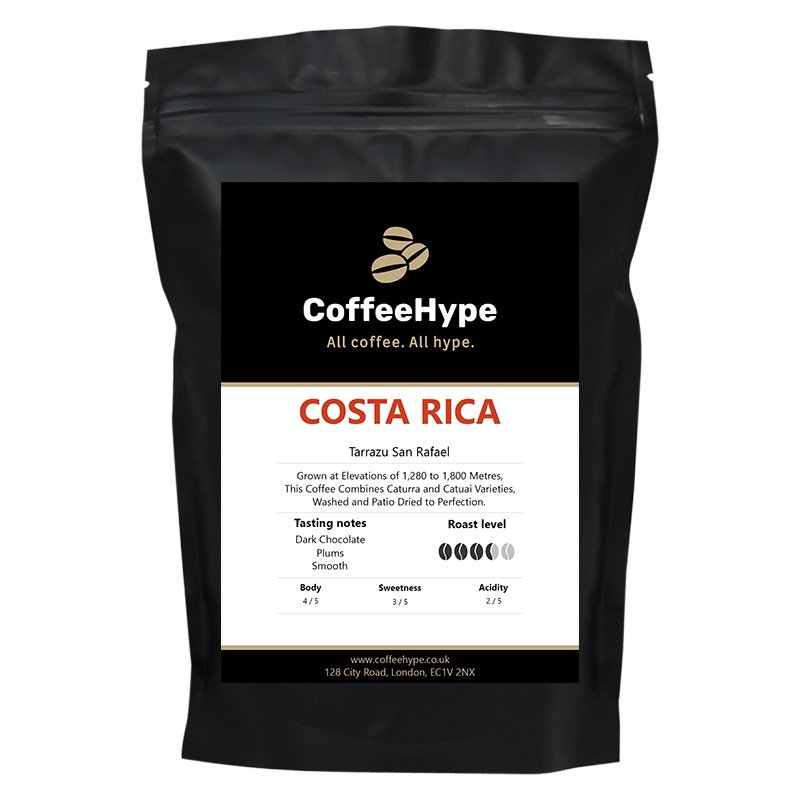
Costa Rica Tarrazu San Rafael Coffee
From: £9.99 — or subscribe to save 10% -
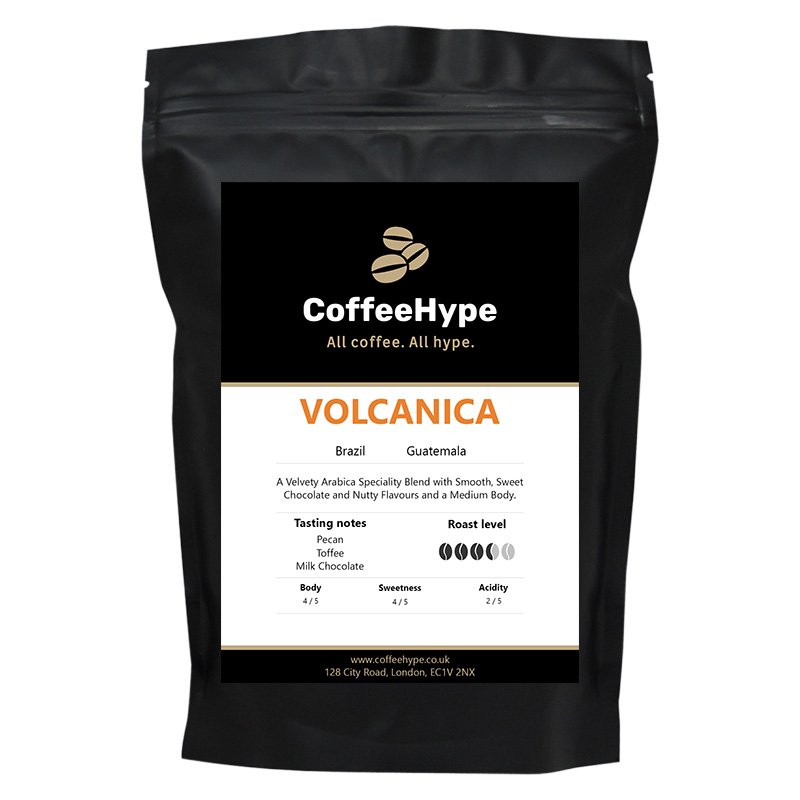
Volcanica Coffee Blend
From: £9.99 — or subscribe to save 10%


2025