When the temperature drops and the evenings get darker, a hot cup of coffee becomes even more inviting.
Winter coffee can be as simple as your favourite freshly brewed beans or as indulgent as a homemade mocha topped with whipped cream. It’s also the perfect season to experiment with warming spices, richer roasts and different brewing methods.
Whether you’re looking for a cosy morning drink or something special for a winter evening, here are some simple ways to make your coffee more interesting throughout the colder months.
What makes a good winter coffee?
There’s no particular type of bean that suddenly becomes a winter coffee when December arrives.
It’s really about the experience and the flavours you enjoy during colder weather.
Many people naturally gravitate towards richer characteristics such as:
- Chocolate
- Caramel
- Nuts
- Toffee
- Brown sugar
- Warming spices
Medium and darker roasts can work particularly well if you enjoy these flavours, although there’s no reason to abandon lighter coffee during winter.
A fruity Ethiopian coffee on a cold morning can be just as enjoyable as a chocolatey Brazilian blend.
If you’re unsure where to start, our coffee roast levels guide explains how light, medium and dark roasting can influence flavour.
Add warming spices to your coffee
One of the easiest winter coffee ideas doesn’t require changing your beans at all.
Try adding a small amount of spice.
Popular choices include:
- Cinnamon
- Nutmeg
- Cardamom
- Ginger
- Mixed spice
You don’t need much.
A light dusting over a latte or cappuccino can add aroma without overwhelming the coffee itself.
Cinnamon and chocolate work particularly well together, while cardamom can add a distinctive aromatic character.
Experiment with one spice at a time before combining them into your own seasonal mixture.
Make a winter latte
A latte provides an easy base for experimenting with seasonal flavours.
Start with espresso and steamed milk, then add whichever flavour you prefer.
Popular winter combinations include:
- Vanilla and cinnamon
- Gingerbread
- Caramel
- Hazelnut
- Chocolate orange
- Maple and cinnamon
- Peppermint chocolate
If you’ve never made one yourself, follow our guide explaining how to make a latte.
You don’t necessarily need a full espresso machine either. Strong coffee prepared using another suitable method can still be used to create an enjoyable milk-based drink at home, although it won’t technically be espresso.
Try a homemade mocha
Chocolate and coffee are natural partners, making mocha an obvious winter coffee choice.
A simple version combines espresso, chocolate and steamed milk.
You can use chocolate syrup, cocoa or melted chocolate depending on the style you prefer.
Then customise it.
Try adding:
- Orange zest
- Cinnamon
- Peppermint
- Hazelnut
- A small pinch of chilli
For something more indulgent, finish it with whipped cream and a little grated chocolate.
Our homemade mocha guide takes you through the basic recipe.
You can also explore our guide to coffee and chocolate pairings for more flavour ideas.
Make a cinnamon vanilla latte
This simple winter coffee recipe is easy to make at home.
You’ll need
- 1 espresso
- 150–200ml milk
- A small amount of vanilla syrup or vanilla extract
- Ground cinnamon
Method
Prepare your espresso and add the vanilla.
Steam or gently heat your milk, then pour it over the coffee.
Finish with a light dusting of cinnamon.
If you prefer a sweeter drink, adjust the amount of vanilla to taste rather than automatically adding extra sugar.
Try a gingerbread coffee
Few flavours feel more seasonal than gingerbread.
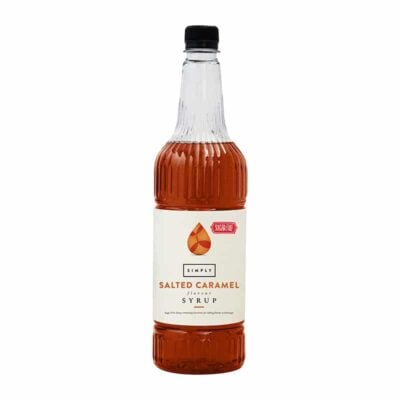
You can make a straightforward gingerbread-style drink using espresso or strong coffee, steamed milk and gingerbread syrup.
Add a light dusting of cinnamon or mixed spice on top.
For a less sweet version, experiment with small quantities of ginger, cinnamon and nutmeg rather than using flavoured syrup.
This allows the character of the coffee itself to remain more noticeable.
A good winter coffee should still taste like coffee rather than simply becoming a cup of syrup.
Turn coffee into hot chocolate
Can’t decide between coffee and hot chocolate?
Combine them.
Prepare your favourite hot chocolate and add a shot of espresso.
The espresso adds coffee flavour and balances some of the sweetness of the chocolate.
You can change the balance depending on what you prefer — more espresso for a stronger coffee character or more chocolate for a dessert-style drink.
Dark chocolate can work particularly well if you prefer something less sweet.
Choose beans with winter flavours
You don’t have to add syrups and spices to create seasonal flavours.
Coffee beans naturally offer an enormous range of tasting characteristics depending on origin, variety, processing and roasting.
For a rich winter coffee, look for tasting descriptions such as:
- Chocolate
- Caramel
- Toffee
- Nuts
- Brown sugar
- Spice
Brazilian coffees are often associated with chocolatey and nutty characteristics, making them an interesting place to start.
Read our Brazil coffee guide if you’d like to learn more.
Don’t feel restricted by traditional winter flavours, though.
A brighter coffee from Ethiopia or Kenya can provide a completely different experience.
Experiment with your brewing method
Winter is a good time to spend a little longer experimenting with coffee at home. The Specialty Coffee Association provides standards, education and resources covering coffee preparation and quality across the industry.
If you normally use the same brewer every morning, try something different.
A cafetiere can produce a rich, full-bodied cup that’s particularly satisfying on a cold morning.
For something cleaner and more delicate, experiment with a V60 or Chemex.
An AeroPress is another versatile option and allows plenty of experimentation with recipes.
Changing the brewing method can make familiar beans taste surprisingly different.
Create a winter coffee tasting
If you have friends or family visiting, turn coffee into part of the occasion.
Choose two or three different coffees and prepare them using the same brewing method.
Try comparing:
- Different origins
- Different roast levels
- Single origins and blends
- Regular and decaf coffee
Taste them side by side and discuss what you notice.
You don’t need professional tasting vocabulary. Chocolatey, fruity, nutty, sweet or simply “I prefer this one” are perfectly useful observations.
Our general coffee guide is a useful starting point if you’d like to understand more about origins, roasting and brewing.
Pair coffee with winter treats
Winter coffee becomes even better with something alongside it.
Chocolate, biscuits, pastries and cakes can all change how the flavours in your coffee are perceived.
Try combinations such as:
- Espresso with dark chocolate
- Cappuccino with shortbread
- Filter coffee with fruit cake
- Medium roast with biscotti
- Dark roast with chocolate brownie
- Latte with cinnamon pastries
There’s no correct pairing.
The fun is finding combinations you enjoy.
Our guide to coffee accompaniments has plenty more ideas for matching food with different styles of coffee.
Don’t forget decaf
A cosy winter coffee doesn’t have to contain a full serving of caffeine.
If you enjoy coffee later in the evening, decaf gives you another option.
Decaffeinated coffee still contains a small amount of caffeine, but considerably less than regular coffee.
It can be prepared using the same brewing methods and combined with milk, chocolate and seasonal flavours just like regular beans.
Our guide to decaf coffee benefits explains more about decaffeinated coffee and how it’s produced.
Keep your coffee hot for longer
There’s nothing particularly comforting about discovering your winter coffee has gone cold.
Preheating your mug with hot water before brewing can help reduce the initial temperature loss when hot coffee hits a cold cup.
A thermal carafe can also be useful if you’re brewing several cups at once.
Rather than leaving brewed coffee sitting on a hot plate for a long time, a good insulated carafe can keep it warm without continually applying heat.
And sometimes the simplest solution is the best one: brew the amount you’re actually going to drink.
Freshly grind your beans
If you own a grinder, grind your beans shortly before brewing.
Once coffee is ground, its much greater exposed surface area means its aroma can change more quickly.
A burr grinder also gives you control over grind size, helping you adjust it for different brewing methods.
Don’t have a grinder?
Freshly ground coffee can still produce an excellent cup. Just make sure you’re using an appropriate grind for your brewer and storing it properly between uses.
Our guide to how to store coffee explains how to look after your beans and ground coffee.
Make winter coffee part of the season
Coffee doesn’t need elaborate recipes to feel special in winter.
Sometimes the best option is simply freshly brewed coffee in your favourite mug on a cold morning.
But the season is also an opportunity to experiment.
Try a different origin, add cinnamon to your latte, make a homemade mocha or invite friends over for a tasting.
Winter coffee is ultimately about creating a drink you look forward to when it’s cold outside.
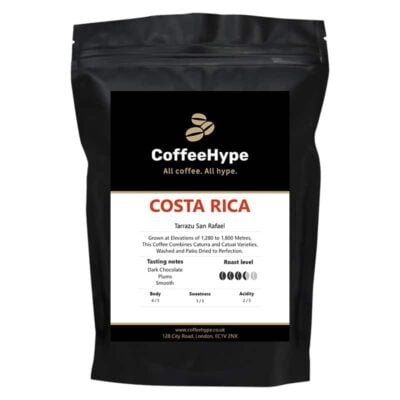
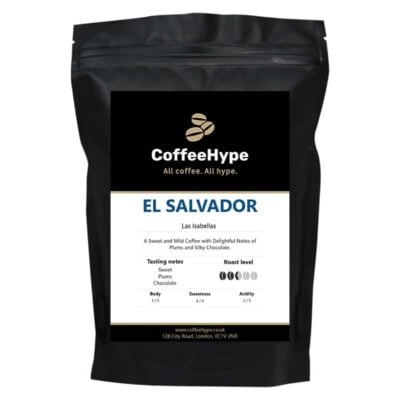
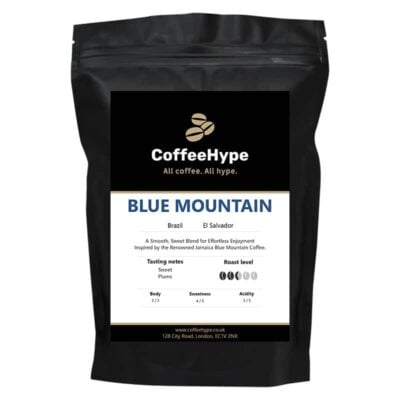
At CoffeeHype, our coffee is freshly roasted to order and available as whole beans or ground for different brewing methods.
Browse our range of freshly roasted coffee beans and find your perfect winter coffee.
Best Selling Products
-

Brazil Fazenda Pinhal Coffee
From: £9.99 — or subscribe to save 10% -
House Blend Coffee
From: £9.99 — or subscribe to save 10% -
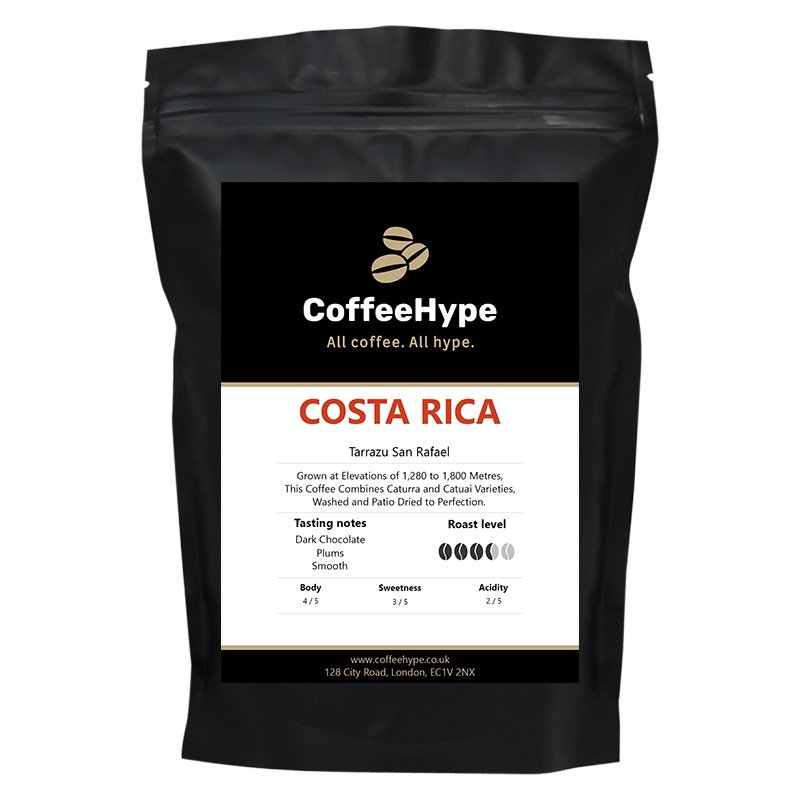
Costa Rica Tarrazu San Rafael Coffee
From: £9.99 — or subscribe to save 10% -
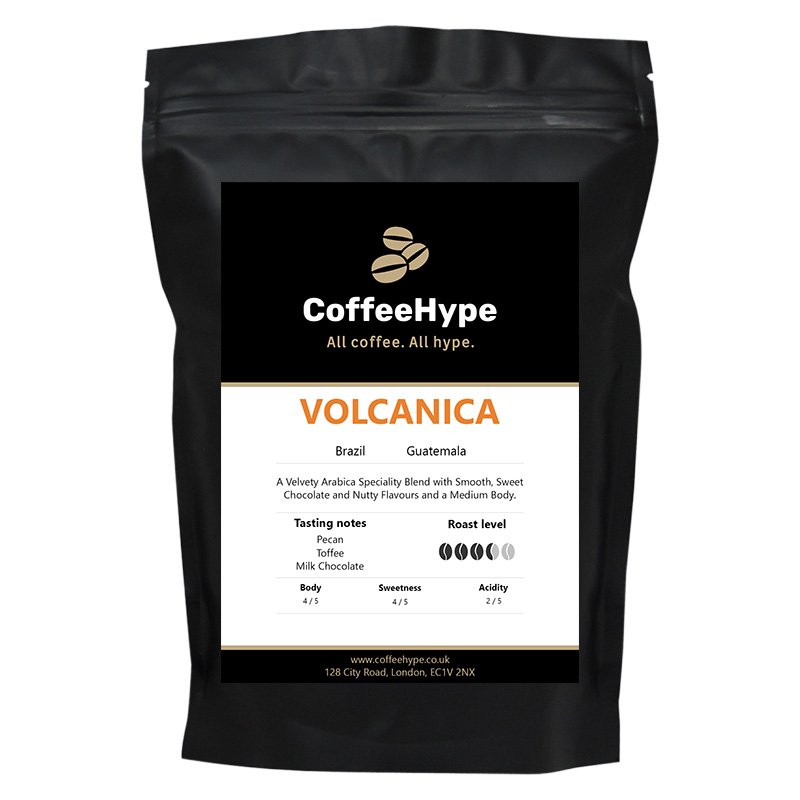
Volcanica Coffee Blend
From: £9.99 — or subscribe to save 10%


2024