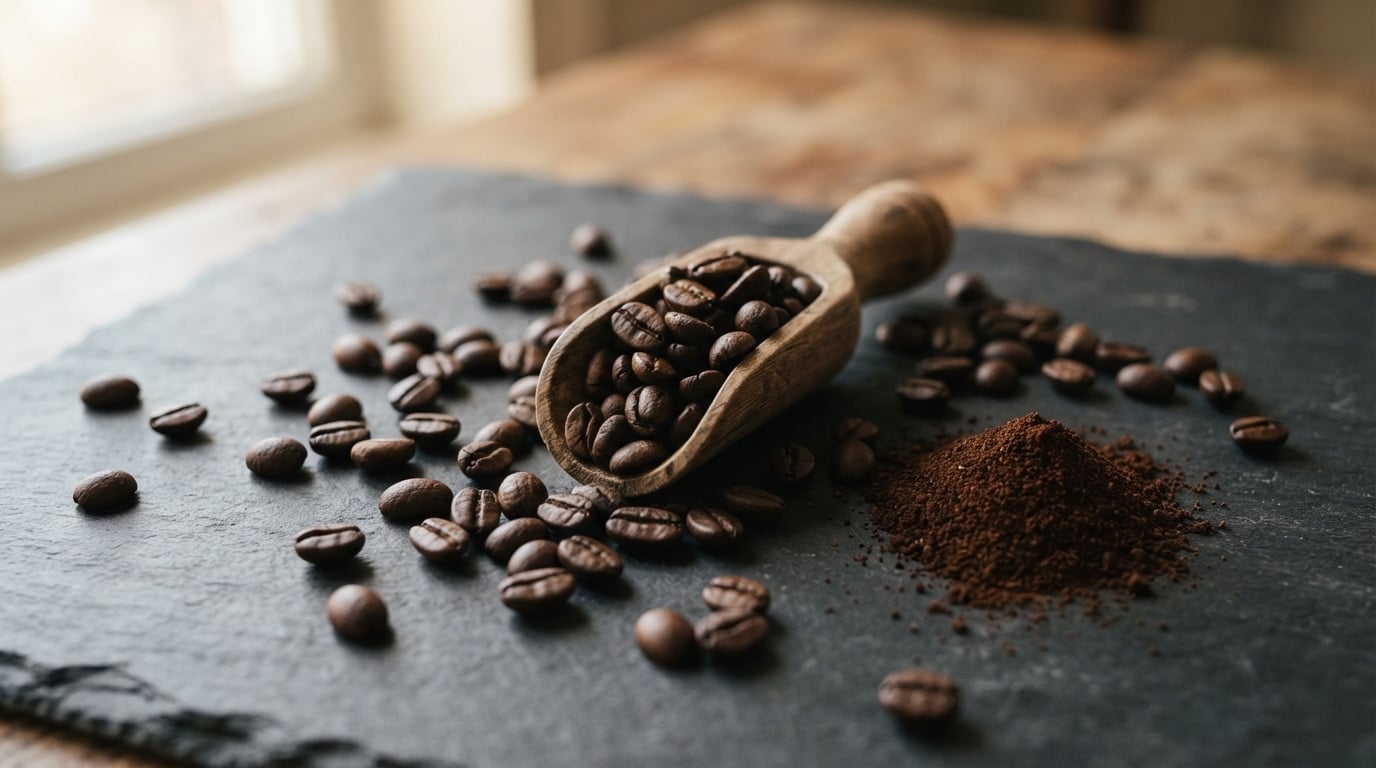
There’s nothing quite like enjoying a freshly brewed cup of coffee, but an unpleasantly bitter taste can quickly spoil the experience. Whether you’re making espresso, cafetière coffee or a morning filter brew, bitter coffee is a common problem that can often be improved with a few simple adjustments.
Some bitterness is a natural part of coffee’s flavour, particularly in darker roasts. However, excessive bitterness may indicate problems with your grind size, brewing time, water temperature or coffee beans.
Understanding what causes bitter coffee can help you achieve a smoother, more balanced cup. Here are eight common reasons your coffee might taste bitter and how to fix them.
Why Does Coffee Taste Bitter?
Coffee contains naturally occurring compounds that contribute to its flavour, including acids and bitter-tasting substances. The roasting process and brewing method influence how noticeable these flavours become.
A balanced cup can contain pleasant bitterness alongside sweetness, acidity and body. Problems arise when bitter flavours overpower everything else.
One common cause is over-extraction, which happens when the brewing process extracts more soluble material than is desirable for the coffee and brewing method.
Research from the Specialty Coffee Association also highlights how brewing temperature, strength and extraction influence coffee’s flavour profile.
However, not all bitter coffee is over-extracted. Dark roasting, bean characteristics and unusually strong brewing ratios can also affect how bitterness is perceived.
The good news is that small changes can often improve the taste.
8 Common Causes of Bitter Coffee
1. Your Coffee Grind Is Too Fine
Grinding coffee too finely for your brewing method can contribute to excessive extraction.
Smaller particles expose more surface area to water, allowing soluble compounds to be extracted more quickly.
For example, a fine grind that works well for espresso may produce an unpleasant result when used in a cafetière.
How to fix it:
- Try adjusting your grinder one or two settings coarser.
- Use a grind size appropriate for your brewing method.
- Avoid making several brewing changes simultaneously.
- Taste the results before making further adjustments.
Finding the right grind size is one of the simplest ways to reduce bitter coffee.
For more information, read our Coffee Grind Size Guide.
2. You’re Brewing Coffee for Too Long
Leaving ground coffee in contact with water for longer than necessary can increase extraction and create harsh, dry flavours.
This can happen when cafetière coffee is left steeping for too long or when an espresso shot runs much longer than intended.
Different brewing methods require different contact times, so there isn’t one ideal brewing duration for every coffee.
How to fix it:
- Follow a sensible starting time for your brewing method.
- Use a timer to maintain consistency.
- Shorten brewing time slightly if the coffee tastes excessively bitter.
- Adjust grind size if water is flowing too slowly.
When preparing cafetière coffee, decanting the finished brew can help prevent unwanted continued contact with the grounds.
3. Your Water Temperature Needs Adjusting
Water temperature influences how quickly compounds are extracted from ground coffee.
Higher temperatures generally increase the rate of extraction, although hotter water doesn’t automatically produce bitter coffee.
A useful starting range for many hot brewing methods is approximately 92–96°C, with adjustments depending on the coffee and equipment.
How to fix it:
- Use a temperature-controlled kettle if available.
- Avoid assuming boiling water is ideal for every brewing method.
- Experiment with slightly cooler water for darker roasts.
- Keep your temperature consistent while testing other variables.
If your bitter coffee improves with a slightly lower brewing temperature, you may have found a better setting for that particular bean.
4. You’re Using Too Much Coffee
The amount of ground coffee compared with the volume of water affects brew strength.
Using too much coffee can create a drink that tastes excessively strong, making bitterness more noticeable.
However, a stronger brew isn’t necessarily over-extracted. Strength and extraction are related but different aspects of brewing.
How to fix it:
Start by measuring your coffee and water rather than estimating.
For many filter brewing methods, a useful starting point is approximately 60g of coffee per litre of water.
For example:
| Water | Ground Coffee |
|---|---|
| 250ml | 15g |
| 500ml | 30g |
| 750ml | 45g |
| 1 litre | 60g |
These are starting quantities rather than fixed rules. Espresso and some other brewing methods use different ratios.
Adjust the amount gradually until the flavour suits your preferences.
Our Coffee to Water Ratio Guide explains how to measure ingredients for different brewing methods.
5. Your Coffee Beans Are Darker Than You Prefer
Coffee roast level can significantly influence bitterness.
Darker roasts generally develop stronger roasted flavours, which can include chocolate-like, smoky and bitter notes.
Some people enjoy these flavours, particularly in espresso or milk-based drinks. Others prefer the brighter and more delicate characteristics associated with lighter roasts.
How to fix it:
If your bitter coffee tastes heavily roasted even when brewed correctly, experiment with a lighter roast.
Consider trying:
- Light roast: Often brighter, with more noticeable acidity and origin characteristics.
- Medium roast: Frequently offers a balance of sweetness, acidity and roasted flavours.
- Dark roast: Typically produces a stronger roasted character and more pronounced bitterness.
Every coffee is different, so roast level should be treated as a guide rather than a guarantee of flavour.
Explore our Coffee Roast Levels Guide to understand how roasting influences taste.
6. Your Coffee Beans Have Lost Their Freshness
Coffee beans gradually lose aroma and flavour after roasting, particularly when exposed to oxygen, heat, light and moisture.
Older coffee may taste flat, dull or less enjoyable, although staleness doesn’t always produce bitterness.
When desirable aromas fade, existing bitter or roasted characteristics can become more noticeable.
How to fix it:
- Buy quantities you can use within a reasonable period.
- Store beans in an airtight container.
- Keep coffee away from direct sunlight and heat.
- Grind beans shortly before brewing where practical.
- Avoid repeatedly exposing stored coffee to moisture.
Proper storage helps preserve flavour, prevents unnecessary deterioration and reduces the chances of making bitter coffee.
Our guide on How to Store Coffee offers additional advice.
7. Your Coffee Equipment Needs Cleaning
Coffee oils and residues accumulate inside grinders, filter holders, espresso machines and other brewing equipment.
Over time, these residues can deteriorate and introduce unpleasant flavours into freshly brewed coffee.
Mineral deposits may also affect the performance of certain machines.
How to fix it:
Clean your equipment regularly according to the manufacturer’s instructions.
Pay particular attention to:
- Coffee grinder burrs and removable components.
- Espresso machine group heads and portafilters.
- Cafetière filters and mesh screens.
- Reusable coffee filters and brewing baskets.
- Water tanks and removable brewing components.
Use cleaning products intended for the equipment and descale machines when recommended.
Clean equipment won’t guarantee perfect coffee, but it eliminates an avoidable source of unwanted flavours.
8. Your Coffee Is Extracting Unevenly
Even when your grind size and brewing time seem correct, uneven extraction can create an unpleasant mixture of bitter and sour flavours.
This can happen when water flows through some areas of the coffee bed more easily than others.
Espresso brewing is particularly sensitive to uneven water distribution, sometimes described as channeling.
How to fix it:
- Distribute ground coffee evenly before brewing.
- Avoid large clumps in espresso preparation.
- Use a consistent tamping technique where appropriate.
- Check that your grinder produces a reasonably uniform grind.
- Maintain a consistent brewing routine.
If bitter coffee also tastes noticeably sour, improving extraction evenness may help more than simply changing brewing time.
Bitter Coffee vs Sour Coffee: What’s the Difference?
Understanding the difference between bitter and sour flavours can help you identify brewing problems.
| Taste | Possible Cause | What to Try |
|---|---|---|
| Bitter and dry | Excessive or uneven extraction | Coarser grind or shorter brewing time |
| Sour and sharp | Insufficient extraction | Finer grind or longer brewing time |
| Too strong | High coffee concentration | Adjust the coffee-to-water ratio |
| Burnt or smoky | Dark roasting or equipment residue | Try different beans or clean equipment |
| Flat and dull | Ageing coffee beans | Use fresher coffee |
These are general troubleshooting guidelines. Individual coffees can naturally contain acidity, bitterness and roasted flavours.
Rather than judging a brew by one characteristic, consider its overall balance.
How to Fix Bitter Coffee for Different Brewing Methods
Different brewing equipment requires different adjustments. Here are some practical ways to improve the taste of bitter coffee at home.
Espresso Coffee
Espresso uses finely ground coffee, pressure and a relatively short brewing time.
If your espresso tastes harsh or bitter, check how quickly the shot is flowing.
Try adjusting your grind slightly coarser or changing the brewing yield while keeping other variables consistent.
Uneven distribution can also contribute to unpleasant flavours.
Read our How to Make Espresso Coffee guide for more brewing advice.
Cafetière Coffee
Cafetière brewing involves immersing ground coffee directly in water.
If your cafetière produces bitter coffee, experiment with your grind size, water temperature or brewing time.
Avoid using an espresso-fine grind, which can produce excessive sediment and make the brewing process harder to control.
Pour-Over Coffee
Pour-over methods rely on water flowing through a bed of ground coffee.
A grind that’s too fine can slow the flow and increase extraction. Pouring technique and agitation also affect how evenly the coffee brews.
If your pour-over tastes bitter and dry, try a slightly coarser grind and maintain a consistent pouring method.
AeroPress Coffee
The AeroPress offers flexibility because you can adjust grind size, water temperature, steeping time and brewing ratio.
If the coffee tastes bitter, experiment with shortening the steeping time or using a slightly coarser grind.
Change one variable at a time so you can identify what improves the flavour.
Filter Coffee Machines
Automatic filter machines are convenient, but grind size, coffee quantity and cleanliness still influence the results.
Use the manufacturer’s recommended filter and suitable ground coffee.
If your filter machine consistently produces bitter coffee, check the coffee-to-water ratio and clean the equipment before making further adjustments.
Does Adding Milk Reduce Coffee Bitterness?
Adding milk to bitter coffee can soften its perceived bitterness and create a smoother-tasting drink.
The natural sweetness and texture of milk can help balance strong roasted flavours, particularly in espresso-based drinks.
Plant-based alternatives may also change the flavour depending on their ingredients and sweetness.
However, adding milk doesn’t solve problems with the brewing process itself.
If your coffee is consistently unpleasant, adjusting your grind size, brewing time or beans is generally a better starting point.
Discover different options in our Best Milk Alternatives for Coffee guide.
How to Make Coffee Taste Smoother
You don’t need expensive equipment to improve your daily coffee.
Start by using a consistent recipe and making small adjustments based on the taste.
For a smoother cup:
- Choose coffee beans with a flavour profile you enjoy.
- Grind the beans appropriately for your brewing method.
- Measure coffee and water accurately.
- Use a suitable brewing temperature.
- Monitor brewing time and extraction.
- Keep your equipment clean.
- Change one brewing variable at a time.
These habits make it easier to identify the cause of bitter coffee and produce more consistent results.
Remember that personal preference matters. A flavour that one person finds pleasantly bold may taste overly bitter to someone else.
Final Thoughts
Bitter coffee doesn’t necessarily mean you’re using poor-quality beans. The problem may simply be related to grind size, brewing time, extraction or your preferred roast level.
By understanding how different brewing variables affect flavour, you can make small adjustments that lead to a more balanced cup.
To fix bitter coffee, start with simple changes such as adjusting your grind or reviewing your coffee-to-water ratio before experimenting with more advanced techniques.
Whether you prefer espresso, cafetière or filter coffee, finding the right combination of beans and brewing method can make a noticeable difference.
Explore the range of coffee beans and brewing equipment at CoffeeHype to discover options for your next cup.
Best Selling Products
-

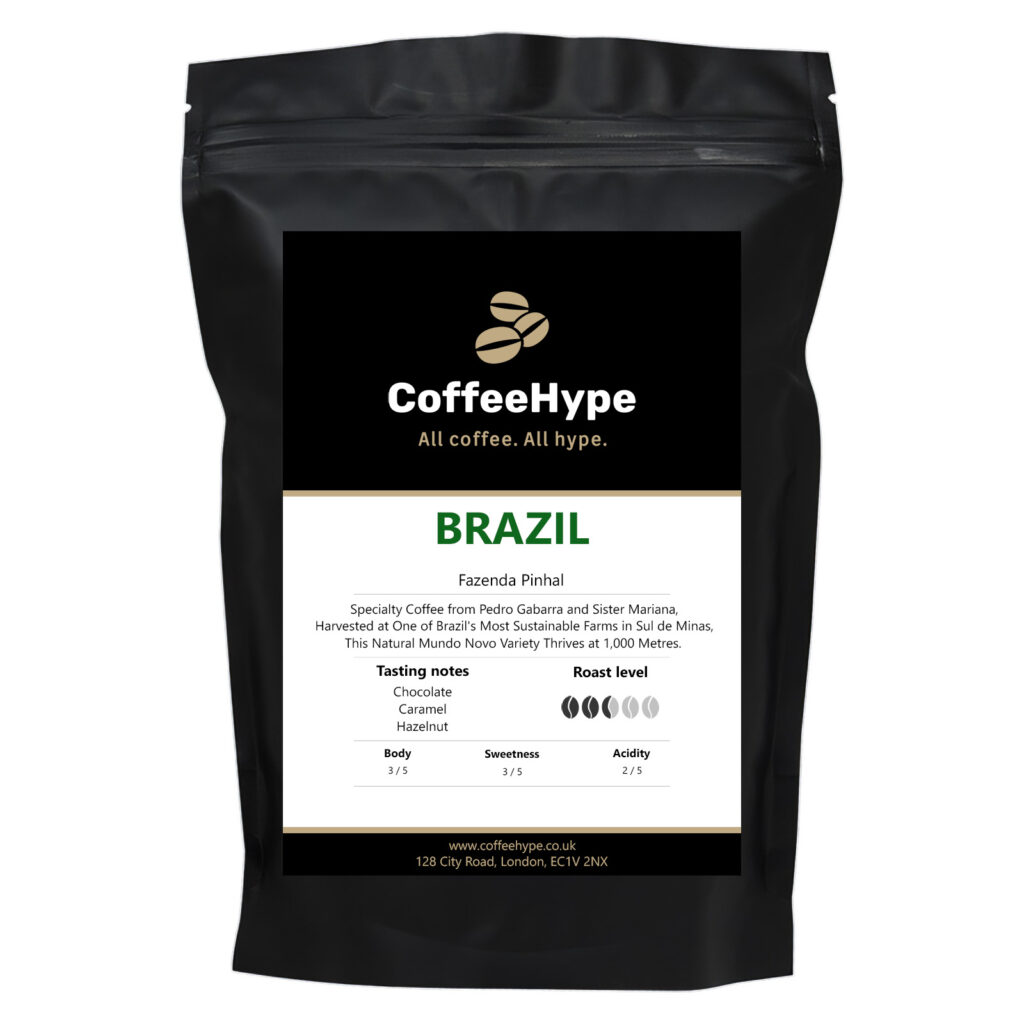
Brazil Fazenda Pinhal Coffee
From: £9.99 — or subscribe to save 10% -
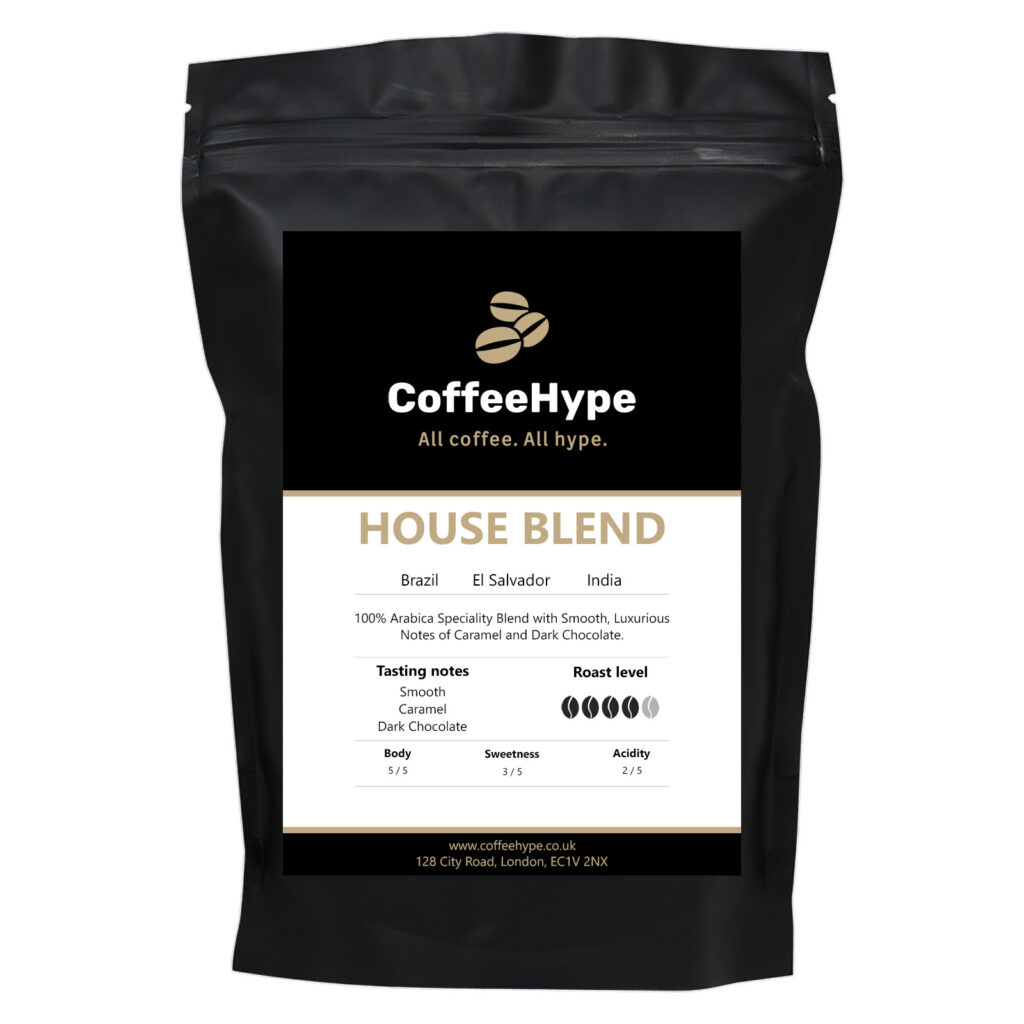
House Blend Coffee
From: £9.99 — or subscribe to save 10% -
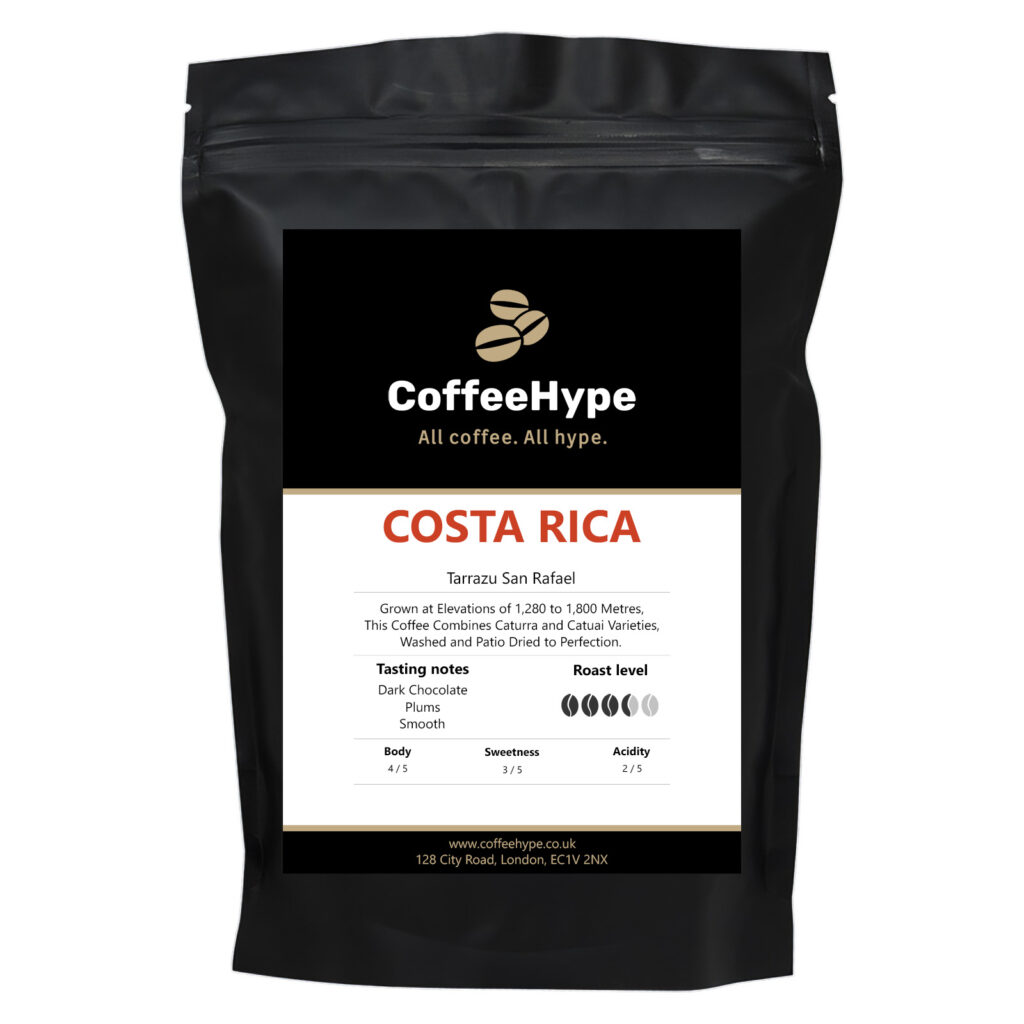
Costa Rica Tarrazu San Rafael Coffee
From: £9.99 — or subscribe to save 10% -
House Blend Dark Roast Coffee
From: £9.99 — or subscribe to save 10%
2026