“Death before decaf” might be a familiar coffee saying, but modern decaffeinated coffee deserves a little more credit.
Decaf starts with coffee beans just like regular coffee. The major difference is that most of the caffeine is removed before the beans reach your cup.
That means you can still enjoy the flavour, aroma and ritual of making coffee while significantly reducing your caffeine intake.
From enjoying coffee later in the day to simply cutting back on caffeine, there are several decaf coffee benefits worth knowing about.
At CoffeeHype, our decaf range includes coffees produced using Swiss Water and Mountain Water decaffeination processes.
What is decaf coffee?
Decaf coffee is coffee that has undergone a process to remove most of its naturally occurring caffeine.
It isn’t completely caffeine-free.
The amount remaining varies according to factors including the coffee, decaffeination process and brewing method. The US Food and Drug Administration explains that decaffeinated coffee still contains some caffeine.
This makes decaf useful for people who enjoy drinking coffee but want to consume considerably less caffeine.
Importantly, it’s still real coffee. The beans have simply undergone an additional processing stage before roasting.
What are the main decaf coffee benefits?
The most obvious advantage of decaf is its reduced caffeine content, but that’s not the only reason someone might choose it.
Here are some of the main decaf coffee benefits.
Much less caffeine
One of the main decaf coffee benefits is the ability to significantly reduce the amount of caffeine in your daily coffee routine.
If you enjoy several cups throughout the day, switching one or more of them to decaf can substantially reduce your overall caffeine intake.
Decaf isn’t completely caffeine-free, but it generally contains much less caffeine than regular coffee.
This can make it particularly useful for people who are trying to moderate their caffeine consumption without giving up coffee altogether.
More flexibility over when you drink coffee
Another of the practical decaf coffee benefits is being able to enjoy the taste and ritual of coffee while consuming less caffeine.
If you normally avoid regular coffee later in the day because of its caffeine content, switching to decaf gives you another option.
Individual responses to caffeine vary, and decaf still contains a small amount, but the substantial reduction makes it a useful alternative.
You can still enjoy different coffees and brewing methods
The decaf coffee benefits aren’t limited to reducing caffeine. Choosing decaf doesn’t mean you’re restricted to one style of coffee.
Good-quality decaf beans can be used for espresso, cafetière, pour-over, AeroPress and other brewing methods.
You can also enjoy decaf as a latte, cappuccino, flat white or simply black.
An easy way to reduce caffeine gradually
Another reason people explore decaf coffee benefits is to reduce caffeine gradually rather than stopping regular coffee completely.
You can replace one cup at a time or make a half-caf coffee by combining regular and decaffeinated beans.
This allows you to continue enjoying your usual coffee routine while gradually reducing the amount of caffeine you’re consuming.
How is decaf coffee made?
Understanding the decaffeination process can help explain some of the decaf coffee benefits and why modern decaf can retain plenty of character.
Coffee naturally contains caffeine, so decaffeination takes place while the beans are still green and before they’re roasted.
There are several ways of doing this.
The CoffeeHype range includes coffees produced using two water-based approaches: Swiss Water Process and Mountain Water Process.
What is the Swiss Water Process?
The Swiss Water Process uses water, temperature, time and coffee’s naturally occurring soluble compounds to remove caffeine from green coffee.
Rather than using chemical solvents to extract the caffeine, the process uses Green Coffee Extract and carbon filtration.
According to the official Swiss Water Process, caffeine migrates from the green beans into the Green Coffee Extract before being removed using carbon filters.
Swiss Water says its process removes 99.9% of the caffeine while being designed to preserve the coffee’s original characteristics.
This makes Swiss Water decaf particularly appealing to coffee drinkers looking for a water-based, solvent-free decaffeination method.
What is the Mountain Water Process?
The Mountain Water Process is another water-based method of removing caffeine from green coffee.
Like Swiss Water, it avoids the direct use of chemical solvents for decaffeination.
The process is designed to selectively remove caffeine while retaining as much of the coffee’s original flavour profile as possible.
The finished coffee can then be roasted and brewed in much the same way as other coffee beans.
Does decaf coffee still contain caffeine?
Yes.
One of the most common misconceptions about decaf is that it contains absolutely no caffeine.
It usually contains a small amount, and the exact quantity can vary considerably depending on the beans, serving size and brewing method.
That’s an important distinction if you’re particularly sensitive to caffeine or have been advised to restrict your intake.
Nevertheless, the much lower caffeine content is responsible for many of the practical decaf coffee benefits.
Does decaf coffee taste different?
It can, but decaf doesn’t automatically mean poor-quality coffee.
The flavour depends on many of the same factors that affect regular coffee, including:
- Coffee origin
- Bean quality
- Decaffeination method
- Roast
- Freshness
- Grind size
- Brewing method
Modern water-based decaffeination methods help deliver the decaf coffee benefits of reduced caffeine while retaining the characteristics of the original coffee as much as possible.
Fresh roasting and good brewing technique still matter.
That’s why it’s better to judge decaf on the quality of the individual coffee rather than assuming all decaffeinated coffee tastes the same.
Swiss Water vs Mountain Water decaf
Both methods offer a way to enjoy the decaf coffee benefits of substantially less caffeine, but the coffees themselves can have different flavour profiles.
Swiss Water Brazil
Our Swiss Water Process Brazil coffee offers a smooth, full-bodied profile with dark chocolate characteristics.
That makes it particularly well suited to espresso-based drinks such as lattes, cappuccinos and flat whites, as well as drinking black.
Mountain Water Mexico
Our Mountain Water Process Mexico coffee offers a smooth and approachable alternative with its own distinctive origin characteristics.
It can work particularly well for filter coffee as well as milk-based drinks.
Ultimately, choosing between them comes down to the flavour profile you prefer rather than one decaffeination process automatically being better than the other.
When should you drink decaf coffee?
There isn’t a particular time when you have to drink it.
In fact, one of the useful decaf coffee benefits is its flexibility.
You might choose it:
- Later in the day when you want less caffeine
- As your second or third coffee
- When you’re trying to reduce your caffeine intake
- When you simply enjoy the flavour of a particular decaf
- As part of a half-caf coffee
- Whenever you want coffee with considerably less caffeine
Decaf doesn’t have to be reserved for bedtime.
For many people, it can simply become another coffee option alongside their regular beans.
Can you drink decaf during pregnancy?
Decaf can be one way of reducing overall caffeine intake during pregnancy because it contains considerably less caffeine than regular coffee.
However, it isn’t completely caffeine-free, and caffeine can also come from tea, chocolate, soft drinks and other foods and beverages.
If you’re pregnant, follow current guidance from your healthcare professional or the relevant health authority regarding caffeine intake rather than assuming any particular amount of decaf is automatically suitable.
How to brew decaf coffee at home
You can enjoy the decaf coffee benefits without changing your entire brewing setup. Decaf can be prepared using the same general equipment you already use for regular coffee.
Popular options include:
- Espresso machine
- Cafetière
- AeroPress
- Pour-over
- Chemex
- Moka pot
- Filter coffee machine
However, you may find that small adjustments to grind size, coffee dose or brew time improve the finished cup.
The official Swiss Water brewing guidance, for example, notes that the composition of decaffeinated coffee is slightly different and suggests experimenting with a little more coffee or a slightly finer grind.
If you’re trying different brewing methods, see our AeroPress guide, cafetière guide and V60 guide.
How should you store decaf coffee?
To get the most from these decaf coffee benefits, treat your decaf beans much as you would regular coffee.
Keep them in a suitable airtight container away from excessive heat, moisture and direct sunlight, and grind the beans shortly before brewing when possible.
Buying freshly roasted coffee in sensible quantities can also help you enjoy it while it’s at its best.
For more advice, read our complete guide on how to store your coffee.
Is decaf coffee worth trying?
Absolutely, particularly if you’ve dismissed it because of outdated ideas about weak or flavourless decaf.
Better beans, careful roasting and modern decaffeination processes mean there’s far more choice available today.
Perhaps one of the biggest decaf coffee benefits is choice itself. You can enjoy a cup of coffee while deciding how much caffeine you actually want rather than having caffeine dictate when you can enjoy it.
Decaf is still coffee. It can be freshly roasted, carefully brewed and enjoyed using exactly the same equipment and rituals as your regular cup.
Discover CoffeeHype decaf coffee
Decaf doesn’t have to be the coffee you reluctantly choose before bedtime.
Whether you want to reduce caffeine, enjoy another cup later in the day or simply explore different coffees, there are plenty of decaf coffee benefits that make it worth considering.
CoffeeHype offers two water-process decaf options:
Both give you the opportunity to enjoy freshly roasted coffee with substantially less caffeine.
Choose your favourite, brew it your way and give modern decaf a chance.
Best Selling Products
-

Brazil Fazenda Pinhal Coffee
From: £9.99 — or subscribe to save 10% -
House Blend Coffee
From: £9.99 — or subscribe to save 10% -
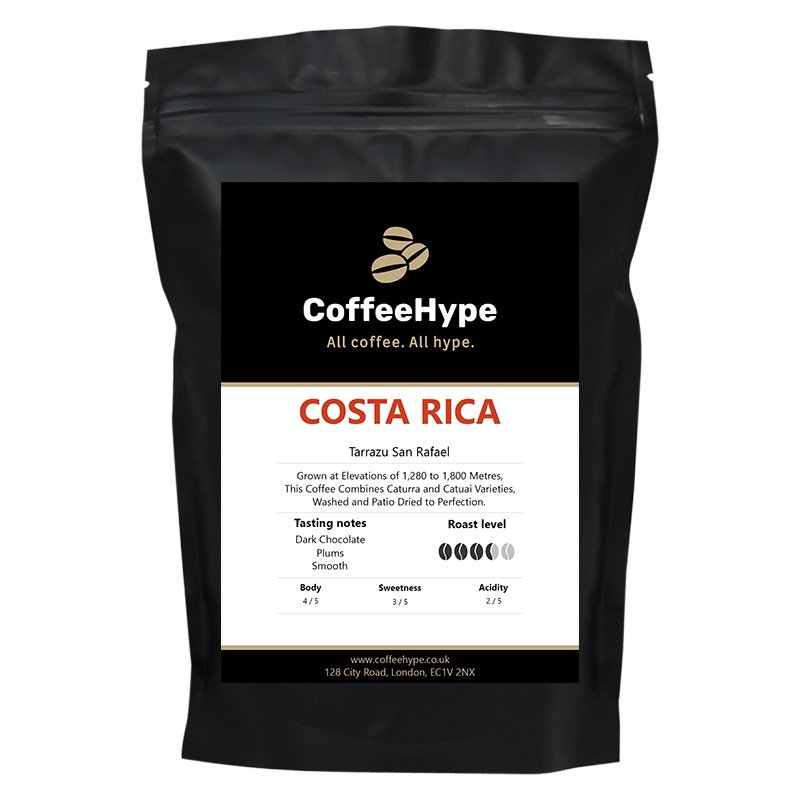
Costa Rica Tarrazu San Rafael Coffee
From: £9.99 — or subscribe to save 10% -
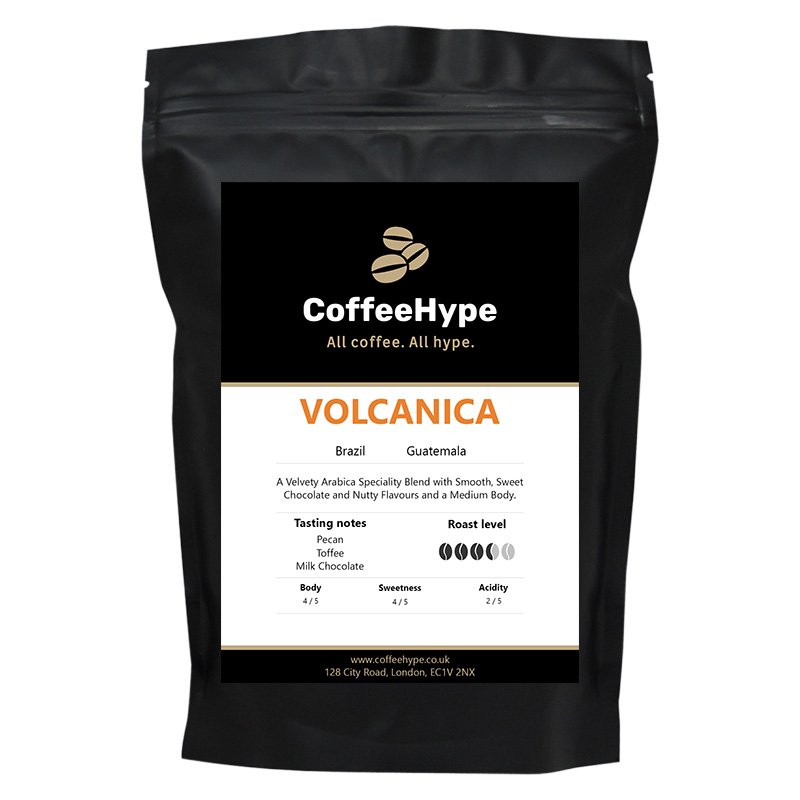
Volcanica Coffee Blend
From: £9.99 — or subscribe to save 10%


2026