Coffee is one of the most traded commodities in the world, with a vast range of flavours all influenced by region, roast, processing, grinding and even brewing method. But one of the most overlooked factors in your daily brew? The filter paper you use.
Whether you’re a pour-over purist or a filter machine devotee, choosing the right coffee filter paper can make or break your cup. In this guide, we cover everything you need to know – from the history of the coffee filter to the different types, sizes, shapes and how to choose the right one for your setup.
Why Coffee Filter Papers Matter
Paper filters are the unsung heroes of great coffee. They remove oils and fine sediments from the grounds, delivering a cleaner, smoother cup. Without them, you’d be drinking a muddy, over-extracted mess.
And it’s not just about taste. Paper filters trap impurities and allow only the pure coffee extract to pass through, enhancing the aroma and clarity of your brew. Plus, they’re disposable, convenient and easy to clean up – no scrubbing required.
A Brief History of Coffee Filter Papers
The modern coffee filter was invented in 1908 by a German housewife named Melitta Bentz. Fed up with the bitter, over-extracted coffee full of grounds that was the norm at the time, she experimented by punching holes in a brass pot and using blotting paper from her son’s schoolbook.
The result? A cleaner, more balanced brew that revolutionised coffee-making forever.
Fast forward to today, and the same principle – using paper to filter out the unwanted – remains the gold standard in homes and cafés worldwide.
Bleached vs Unbleached Filters: The Big Debate
Choosing between bleached and unbleached filters comes down to one question: do you want a clean, neutral taste or a more natural, less-processed option?
Bleached (White) Filters
Bleached filters are processed with chlorine or oxygen to achieve their white colour. They’re typically thinner, allowing water to flow through faster.
- Pros: Clean, neutral taste; faster flow rate; bright white appearance
- Cons: More processed; some environmental concerns
Unbleached (Brown) Filters
Unbleached filters are made from natural fibres and skip the bleaching process entirely. They’re slightly thicker, which can affect flow rate and extraction.
- Pros: Less processed; chemical-free; more sustainable
- Cons: Can add a papery taste if not rinsed; may contain wood fibres that cause uneven extraction
Pro Tip: Always rinse unbleached filters with hot water before brewing. This removes any papery taste and preheats your equipment.
Paper Filter Sizes: Bigger Isn’t Always Better
Getting the right filter size is arguably more important than the colour. Using the wrong size can lead to overflow, under-extraction or a completely ruined brew.
Common sizes include:
- Size 01 (1 cup): Small drippers, single servings
- Size 02 (2 cup): Standard pour-over brewers
- Size 04 (4 cup): Most home filter coffee machines
- Size 06 (6 cup+): Office and commercial machines
Most domestic filter coffee machines take 04 filters (often labelled 1×4). If you’re buying for a machine, check the manual first.
Cone vs Flat Bottom: Shape Matters
The shape of your filter paper should match your brewing equipment.
Cone (V-Shaped) Filters
Used in pour-over brewers like the V60 and Chemex, cone filters allow water to flow more evenly through the coffee bed, resulting in better extraction and flavour clarity.
- Best for: Pour-over enthusiasts
- Key benefit: More even extraction, cleaner taste
Flat Bottom (Basket) Filters
These are the ones you’ll find in most filter coffee machines. They’re more forgiving and deliver a balanced extraction, even if your pouring technique isn’t perfect.
- Best for: Filter machines
- Key benefit: Consistent results, forgiving brewing
Paper vs Metal Filters: Which is Better?
It’s not just paper versus metal – it’s clarity versus body.
Paper Filters
- Cleaner, smoother cup
- Removes oils and sediment
- Consistent results every time
- Ideal for light and medium roasts
Metal Filters
- Fuller body and more mouthfeel
- Allows oils and fine particles through
- Reusable and less waste
- Can transfer metallic taste if cheaply made
If you prefer clarity and balance, paper filters win. If you want a heavier, more textured cup, metal is worth exploring.
Filter Coffee Machines vs Drippers
Not sure which brewing method to choose? Here’s the breakdown.
Drippers (Pour-Over)
- More control over extraction
- Manual brewing – ideal for coffee enthusiasts
- Requires attention and technique
Filter Coffee Machines (Drip)
- Convenient and consistent
- Ideal for daily use, especially in busy households
- Great for brewing larger quantities
How to Use Coffee Filter Papers (Step-by-Step)
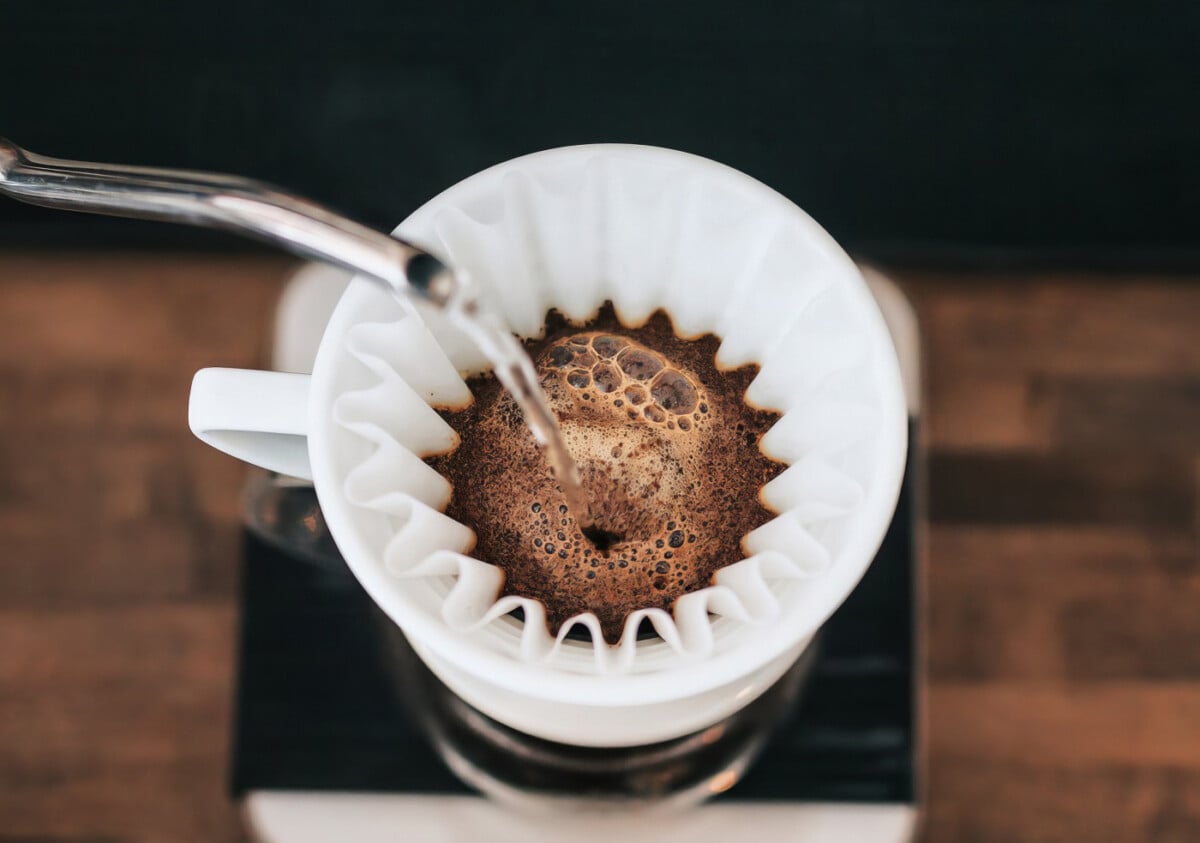
- Place the filter paper in your dripper or machine – make sure it fits snugly.
- Rinse with hot water to remove paper taste and preheat your equipment.
- Add freshly ground coffee – aim for a medium grind for filter brewing.
- Pour water at around 92–96°C, slowly and evenly.
- Brew and enjoy.
Recommended ratio: 60g coffee per 1 litre of water.
Best Coffee for Filter Brewing
Filter brewing highlights origin flavours, so choosing the right beans matters.
We recommend:
- Medium to medium-dark roasts for balance
- African coffees for bright, fruity acidity
- Central & South American coffees for body and sweetness
All of our single-origin and blend coffees at CoffeeHype are roasted to order and perfect for filter brewing.
CoffeeHype Verdict
Choosing the right filter paper might seem like a small detail, but it’s one of the easiest ways to upgrade your daily brew.
Go for bleached filters if you want a clean, fast pour – or choose unbleached for a more natural, sustainable option. Make sure the size and shape match your equipment, and always rinse before brewing.
And if you’re still not sure? Experiment. Try a cone filter in a pour-over, then switch to a flat-bottom in a machine. Taste the difference, and choose what works for you.
Ready to upgrade your coffee game? Browse our full range of filter papers, plus single-origin coffees and brewing equipment at CoffeeHype. Every bag is roasted to order and delivered fresh to your door. No fuss, no compromise – just great coffee.
Best Selling Products
-

Brazil Fazenda Pinhal Coffee
From: £9.99 — or subscribe to save 10% -
House Blend Coffee
From: £9.99 — or subscribe to save 10% -
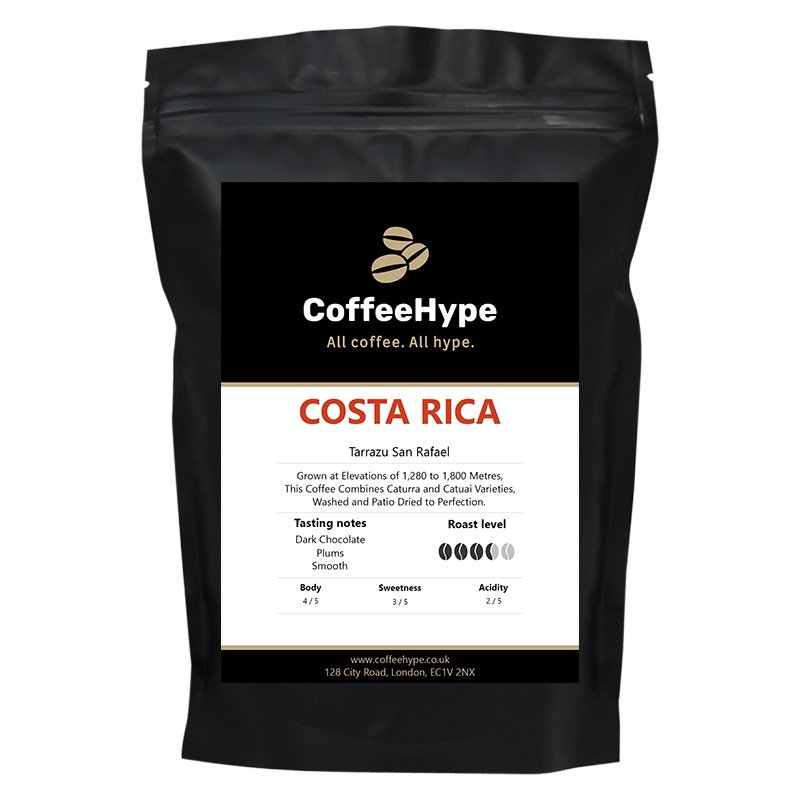
Costa Rica Tarrazu San Rafael Coffee
From: £9.99 — or subscribe to save 10% -
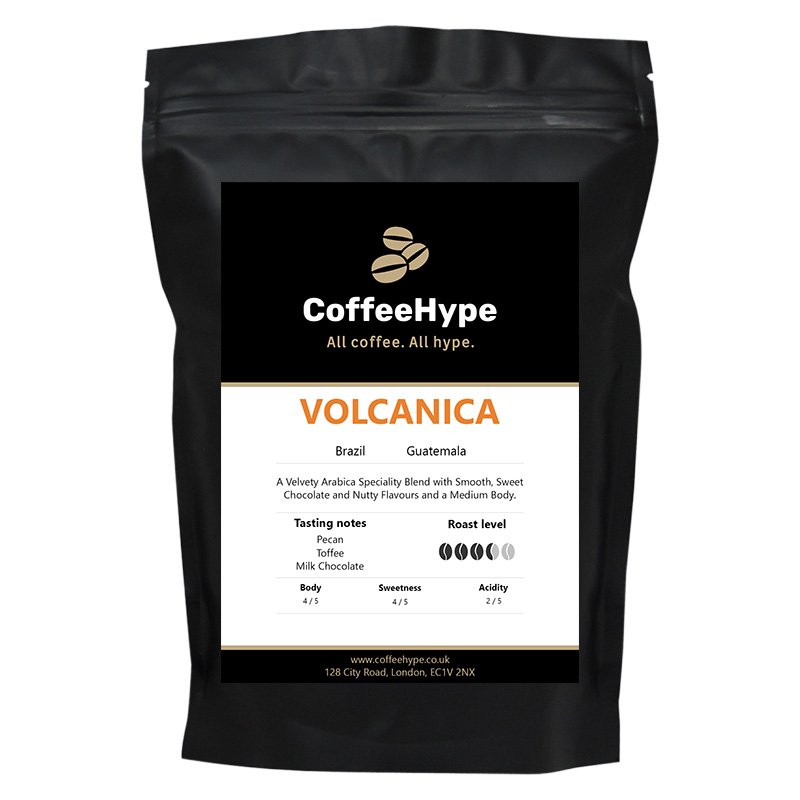
Volcanica Coffee Blend
From: £9.99 — or subscribe to save 10%


2026